
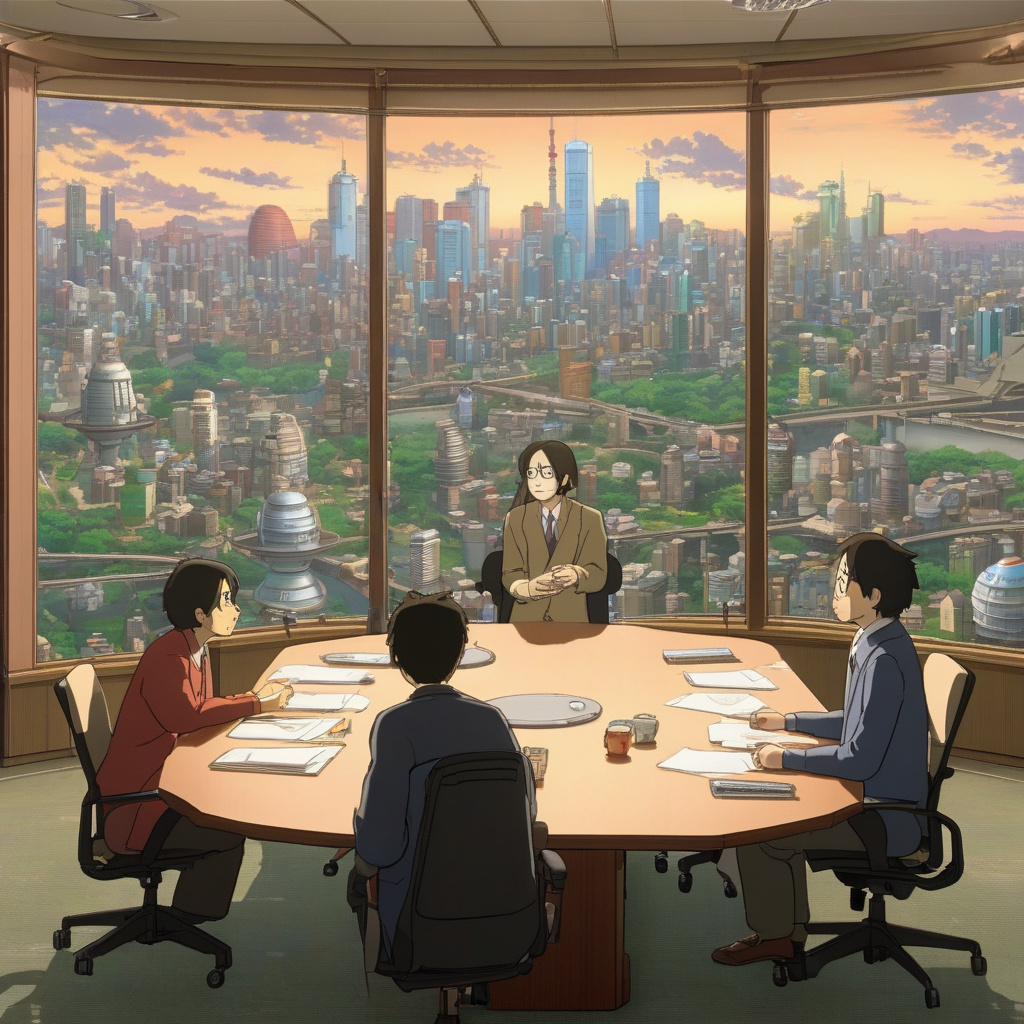
In a recent turn of events, Studio Ghibli and other renowned Japanese publishers have taken a stand against OpenAI’s utilization of their creations for training purposes. This move comes amidst OpenAI’s contentious approach of seeking forgiveness rather than permission when it comes to copyrighted material. The clash highlights a critical intersection between AI advancements and intellectual property rights, sparking a debate that resonates far beyond the realms of animation studios and tech developers.
OpenAI’s strategy of delving into copyrighted content without explicit consent has raised significant concerns among content creators worldwide. By employing materials without prior authorization, OpenAI is essentially banking on seeking forgiveness retroactively rather than securing permission proactively. While this approach might expedite AI training processes, it poses ethical dilemmas and legal uncertainties, especially in industries where intellectual property rights are paramount.
For Studio Ghibli, the acclaimed animation powerhouse behind beloved classics like “My Neighbor Totoro” and “Spirited Away,” the issue hits close to home. Their visually stunning and emotionally resonant films are not merely products but artistic expressions that embody cultural heritage and storytelling traditions. Allowing AI systems to dissect and manipulate their creations without explicit approval encroaches upon the very essence of their work, jeopardizing the integrity and intent behind these masterpieces.
Similarly, other Japanese publishers have joined Studio Ghibli in voicing their discontent with OpenAI’s practices. These entities, known for producing manga, anime, and other forms of captivating content, are deeply invested in preserving the authenticity and uniqueness of their creations. The prospect of AI algorithms dissecting, replicating, or altering their works without consent raises valid concerns about artistic autonomy, creative control, and the sanctity of intellectual property rights.
At the same time, OpenAI’s methodology underscores a broader challenge faced by the tech industry at large. As artificial intelligence continues to evolve and permeate various sectors, the question of how AI systems interact with copyrighted material becomes increasingly pertinent. While leveraging existing content for AI training can yield valuable insights and advancements, it must be done in a manner that respects and upholds the rights of content creators.
Balancing innovation with integrity is key in navigating the complex terrain where AI technology and intellectual property intersect. Collaborative efforts between AI developers and content creators can pave the way for mutually beneficial solutions that drive progress while safeguarding creative rights. Establishing clear guidelines, obtaining explicit permissions, and fostering transparent communication are essential steps towards fostering a harmonious relationship between AI development and content creation.
As the dialogue between Studio Ghibli, Japanese publishers, and OpenAI unfolds, it serves as a compelling case study for industries grappling with similar challenges. It underscores the importance of ethical conduct, legal compliance, and mutual respect in harnessing AI’s potential without compromising the essence of artistic endeavors. By addressing these concerns collaboratively and proactively, stakeholders can chart a path forward that nurtures innovation, upholds creativity, and honors the legacy of iconic works for generations to come.