
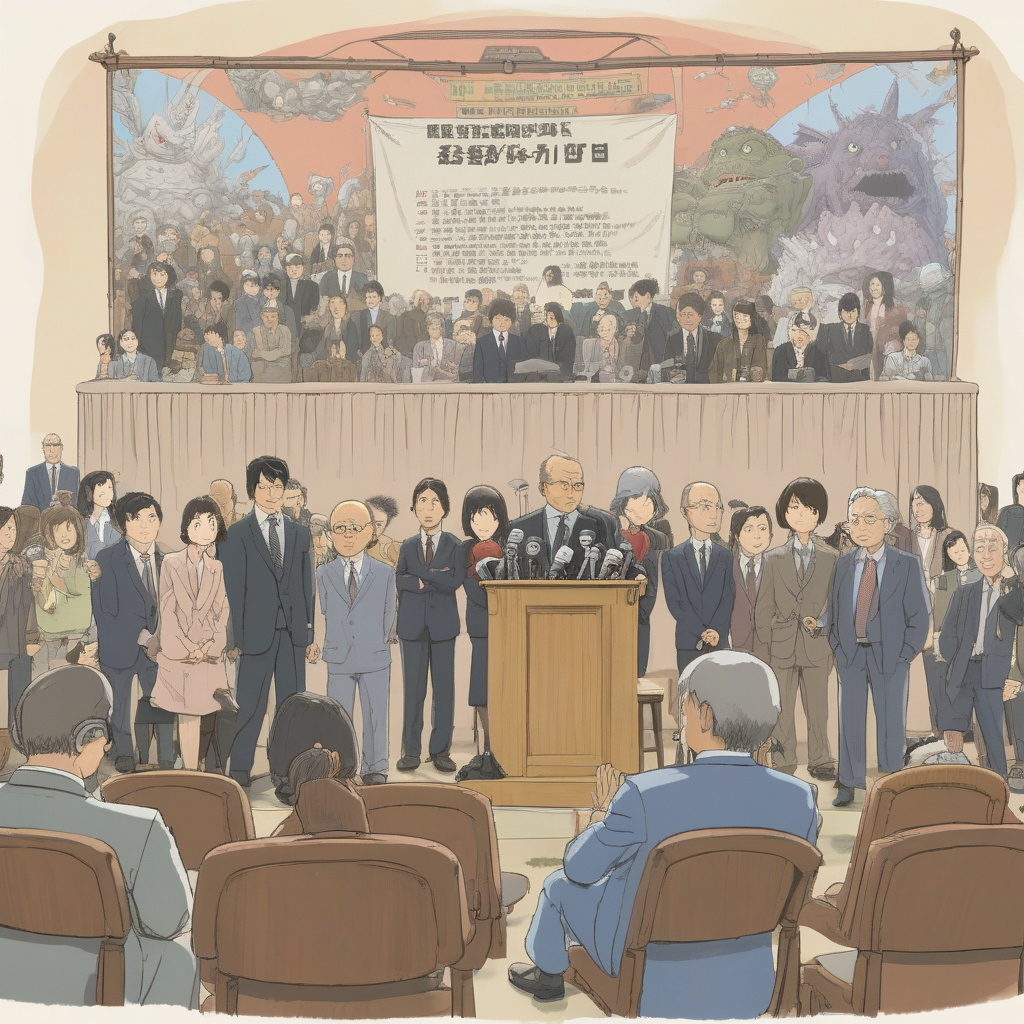
In a recent turn of events, Studio Ghibli and several other prominent Japanese publishers have raised concerns over OpenAI’s utilization of their copyrighted material for training purposes. This emerging conflict sheds light on a crucial aspect of OpenAI’s approach, which prioritizes seeking forgiveness rather than permission when it comes to copyrighted content.
OpenAI, a leading organization in the field of artificial intelligence research, has been known for its innovative work in developing cutting-edge AI models. One of the key methods employed by OpenAI involves training these models on vast amounts of data, including text, images, and other forms of media. While this approach has led to significant advancements in AI technology, it has also raised ethical and legal questions, particularly regarding the use of copyrighted material.
Studio Ghibli, renowned for its captivating animated films such as “Spirited Away” and “My Neighbor Totoro,” is among the Japanese publishers expressing unease over OpenAI’s practices. These concerns stem from the unauthorized use of their creative works in training AI models, potentially leading to issues of intellectual property rights and artistic integrity.
The crux of the matter lies in OpenAI’s stance on seeking forgiveness rather than permission when incorporating copyrighted content into its training datasets. This approach, while enabling rapid progress in AI development, has sparked debates about the boundaries of fair use, creative ownership, and the ethical implications of algorithmic learning from copyrighted sources.
From a legal perspective, the use of copyrighted material without explicit permission raises questions about compliance with intellectual property laws and the rights of content creators. While fair use provisions may apply in certain contexts, the scale and impact of AI training on copyrighted works introduce complex challenges that warrant careful consideration and dialogue between technology innovators and content creators.
Beyond legal considerations, the ethical dimensions of OpenAI’s practices also come into play. The potential implications of training AI models on copyrighted content extend to issues of cultural respect, artistic expression, and the broader implications of algorithmic decision-making based on proprietary material.
As the debate unfolds between OpenAI and content creators like Studio Ghibli, it underscores the need for a nuanced approach to balancing innovation with respect for intellectual property rights. Collaborative frameworks that promote transparency, consent, and fair compensation for creators could pave the way for constructive engagement between AI researchers and content owners.
In navigating the intersection of technology and creativity, it is essential to recognize the value of intellectual property, cultural heritage, and the diverse voices shaping our digital landscape. By fostering dialogue, mutual understanding, and ethical guidelines for working with copyrighted content, stakeholders can chart a path towards responsible innovation that upholds the rights and interests of all parties involved.
In conclusion, the clash between OpenAI and Japanese publishers like Studio Ghibli highlights the complexities of AI training on copyrighted material and the broader implications for intellectual property rights and ethical considerations. As discussions evolve, finding common ground and establishing clear guidelines for respectful engagement with copyrighted works will be essential in shaping a future where innovation and creativity can thrive in harmony.