
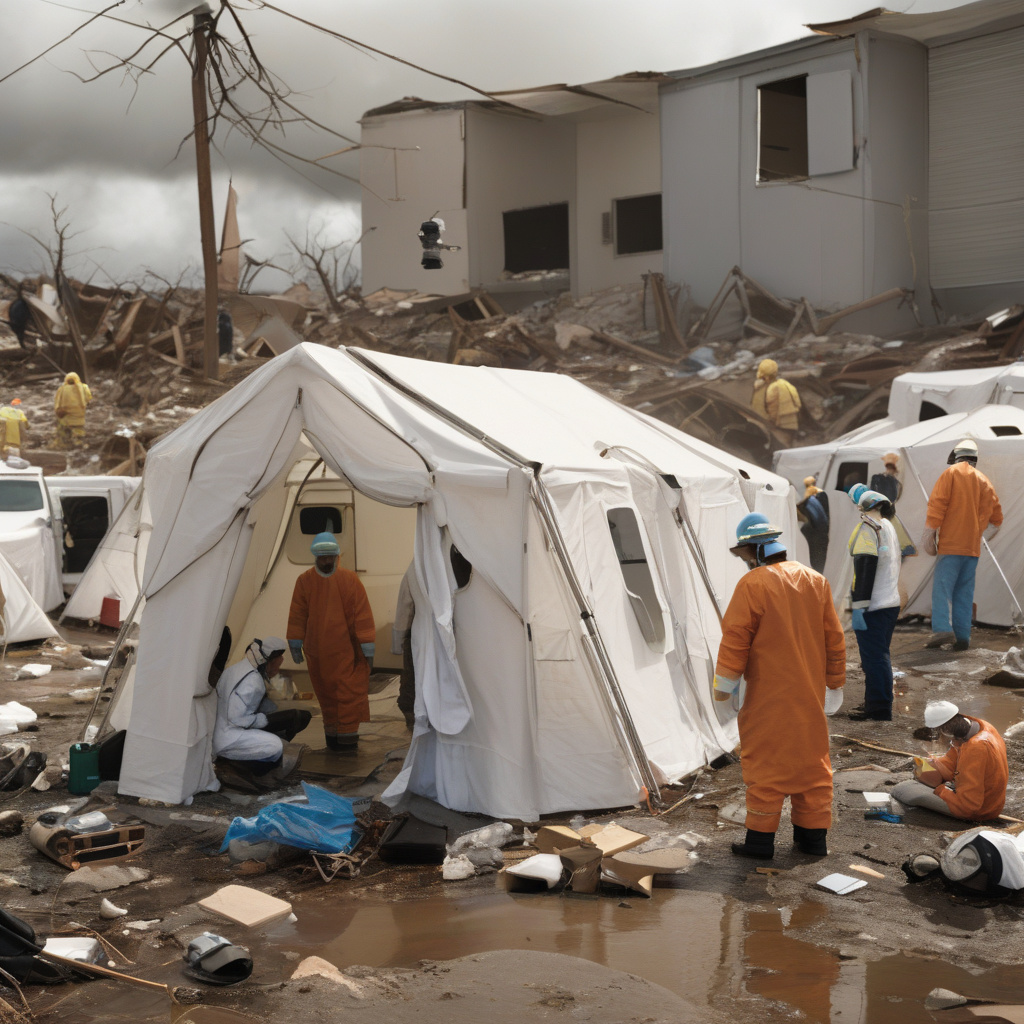
In times of crisis, such as the recent massive earthquake in Russia, accessing healthcare becomes a critical challenge. Telemedicine startups are revolutionizing healthcare delivery in disaster-affected areas, offering innovative solutions to bridge the gap between patients and medical professionals when traditional healthcare systems are overwhelmed or inaccessible.
One key way telemedicine startups support healthcare delivery in disaster-affected areas is by providing remote consultations. Through telemedicine platforms, individuals can connect with healthcare providers via video calls, chat, or phone, receiving vital medical advice without needing to physically visit a clinic or hospital. This real-time communication can be a lifeline in situations where immediate medical attention is required, but transportation or infrastructure limitations make in-person visits impossible.
For example, in the aftermath of a natural disaster like an earthquake, telemedicine can enable rapid triage of patients based on the severity of their condition. Medical professionals can assess individuals remotely, prioritize care based on critical needs, and guide patients on self-care or first aid measures until they can receive further assistance. This not only optimizes the use of limited resources but also ensures that those in urgent need of medical intervention receive timely support.
Moreover, telemedicine startups contribute to continuity of care by enabling follow-up consultations and monitoring for patients in disaster-affected areas. By remotely tracking individuals’ progress, adjusting treatment plans, and providing ongoing support, telemedicine helps prevent medical issues from escalating and reduces the burden on overwhelmed healthcare facilities. This proactive approach to healthcare management can improve outcomes for patients who might otherwise face challenges in accessing consistent medical attention during chaotic times.
Additionally, telemedicine startups enhance access to specialized care in disaster-affected areas. Through virtual consultations, patients can connect with healthcare providers across different regions or even countries, tapping into a broader network of medical expertise. This is particularly beneficial in situations where local healthcare resources are strained, and access to specialists is limited. By leveraging telemedicine technology, individuals can receive specialized consultations, second opinions, or treatment recommendations without the need to travel long distances, thereby expanding their options for quality healthcare services.
Furthermore, telemedicine startups aid in disaster preparedness and response efforts by facilitating remote training and education for healthcare professionals in at-risk areas. By offering online courses, webinars, and virtual simulations, telemedicine platforms help healthcare workers enhance their skills, stay updated on best practices, and prepare for emergencies more effectively. This continuous learning approach equips medical personnel with the knowledge and tools to respond swiftly and efficiently during crises, ultimately strengthening the overall resilience of healthcare systems in disaster-prone regions.
In conclusion, the role of telemedicine startups in supporting healthcare delivery in disaster-affected areas is paramount. By enabling remote consultations, ensuring continuity of care, expanding access to specialized services, and enhancing preparedness through training initiatives, telemedicine platforms empower both patients and healthcare providers to navigate emergencies more effectively. As technology continues to advance, the impact of telemedicine in mitigating healthcare challenges during crises will only grow, underscoring the vital role of innovation in transforming disaster response and recovery efforts worldwide.