
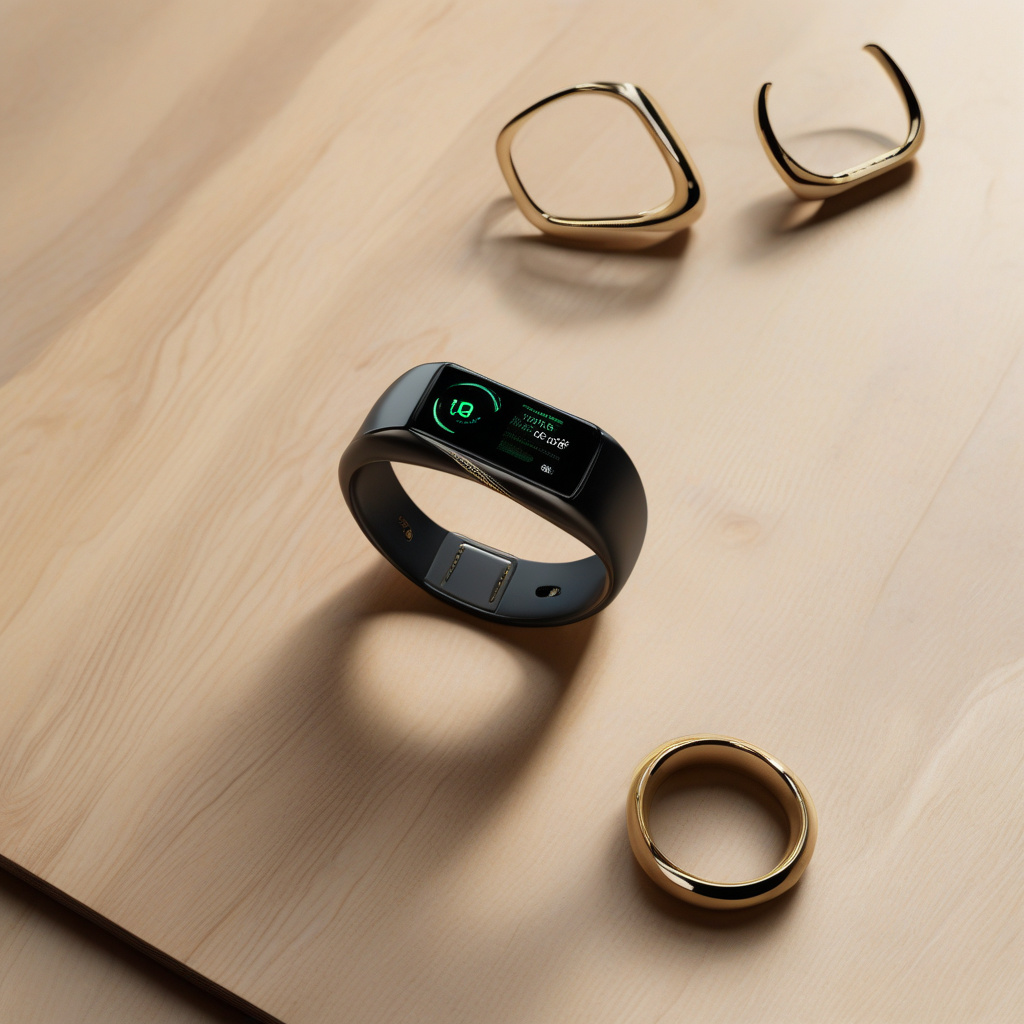
In the ever-evolving landscape of health technology, a recent development has sparked discussions among tech enthusiasts and health-conscious individuals alike. The announcement that Oura and Whoop, two prominent players in the wearable tech market, now offer blood testing services marks a significant shift in the way we approach health data. This move raises important questions about the commoditization of personal health information and the implications it may have for individuals and the healthcare industry as a whole.
Health data is increasingly being treated like currency – traded, aggregated, and analyzed on a massive scale. Wearables have long been collecting data on various aspects of our health, from heart rate and sleep patterns to activity levels and stress indicators. By integrating blood testing services into their platforms, companies like Oura and Whoop are taking this data-driven approach to the next level. Users can now access even more comprehensive insights into their health status, allowing for more informed decision-making regarding their well-being.
The ability to track and analyze such a wide array of health metrics in real-time is a game-changer. It empowers individuals to take a proactive approach to their health, potentially identifying issues before they escalate and making lifestyle adjustments based on personalized data. For example, someone monitoring their blood glucose levels through these services may be able to optimize their diet and exercise routine to better manage their energy levels and overall health.
However, with this increased access to personal health data comes a host of concerns regarding privacy, security, and the ethical use of this information. As health data becomes more commoditized, there is a risk that it could be exploited for commercial gain or fall into the wrong hands. Companies must prioritize robust data protection measures and transparent data usage policies to ensure that users’ sensitive information is safeguarded.
Moreover, the commoditization of health data raises broader questions about the future of healthcare delivery. As individuals have greater access to their health information and the tools to interpret it, traditional healthcare models may need to adapt. Remote monitoring, telehealth services, and personalized medicine could become more prevalent as individuals become more empowered to manage their own health with the help of technology.
At the same time, the integration of blood testing services into wearable technology highlights the growing convergence of healthcare and consumer tech. What was once the realm of medical professionals is now increasingly accessible to the average consumer, blurring the lines between traditional healthcare providers and tech companies. This shift has the potential to democratize healthcare, putting more control in the hands of individuals and fostering a culture of proactive health management.
In conclusion, the introduction of blood testing services by Oura and Whoop signifies a significant milestone in the evolution of health technology. While the commoditization of health data presents exciting possibilities for personalized health insights and proactive wellness strategies, it also raises important considerations around data privacy, security, and healthcare delivery models. As we navigate this new era of data-driven health monitoring, it is crucial for both companies and individuals to prioritize ethical data practices and responsible use of personal health information.