
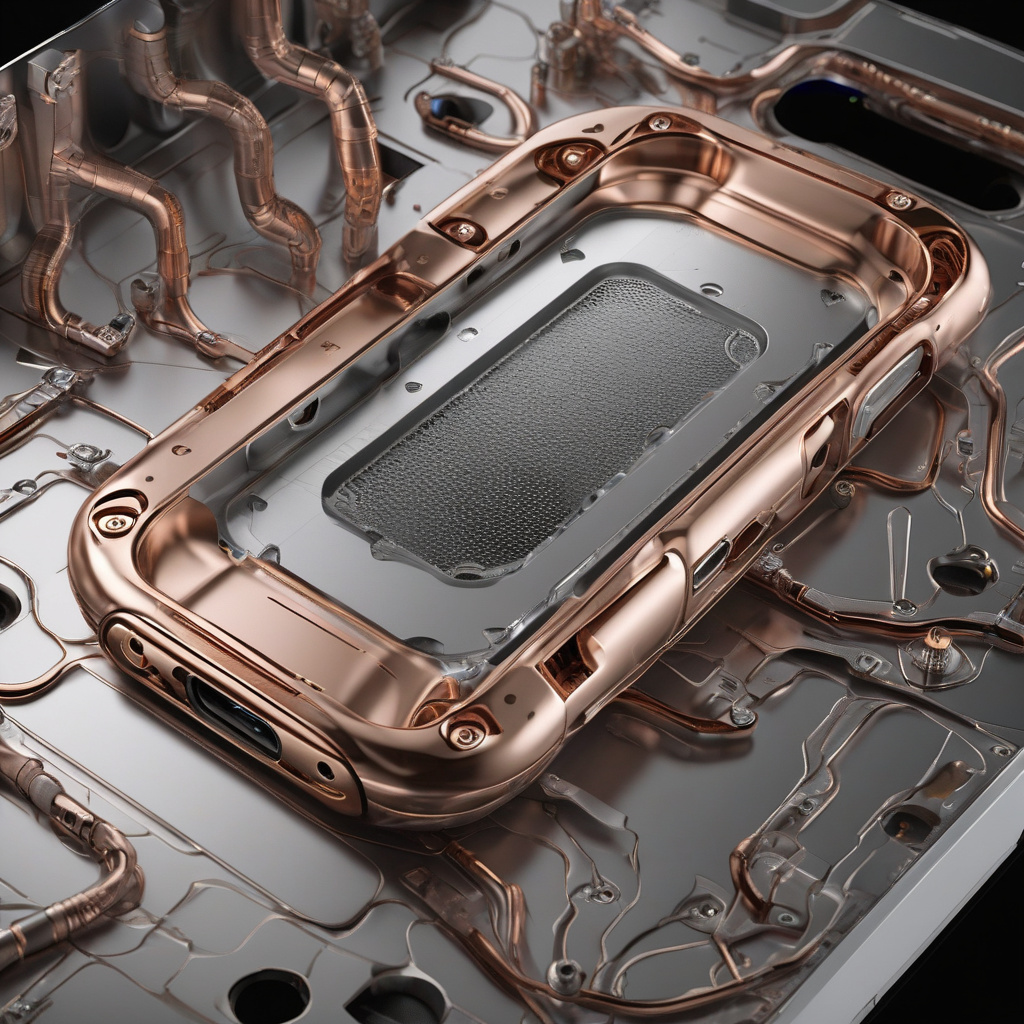
Exploring the iPhone’s Innovative Vapor Chamber Cooling System
Apple’s latest iPhone 17 Pro phones boast the formidable A19 Pro chip, delivering unparalleled performance. To ensure this power doesn’t lead to overheating, Apple integrated a cutting-edge vapor chamber cooling system.
#### Understanding the Technology
Traditionally, smartphones use solid conductive plates like copper to dissipate heat. However, Apple’s vapor chamber technology takes it up a notch by employing a phase-change process with fluid that boils and condenses within the device to effectively manage heat.
#### The Inner Workings
Inside the new iPhone, a hermetically sealed vapor chamber plays a crucial role in dispersing heat. This chamber, filled with deionized water, is laser-welded into the aluminum chassis. As heat is transferred away from the A19 Pro chip, the aluminum unibody evenly distributes it, maintaining optimal performance levels.
#### Performance and Efficiency
Early assessments by iFixit reveal the remarkable efficiency of this cooling system. Thermal imaging data indicates that the iPhone 17 Pro Max remains unthrottled even under peak performance, showcasing its ability to sustain high levels of operation without overheating.
#### Future Implications
The success of Apple’s vapor chamber cooling in the iPhone hints at broader applications. As this technology evolves, we may expect to see enhanced performance and efficiency not only in smartphones but also in other Apple devices like the MacBook Pro.
In conclusion, Apple’s innovative vapor chamber cooling system represents a significant leap forward in smartphone thermal management. By prioritizing performance while maintaining device comfort, this technology sets a new standard for efficient heat dissipation in high-performance devices.
For more insightful tech updates and discussions, feel free to connect with me on BlueSky, LinkedIn, and Mastodon.