
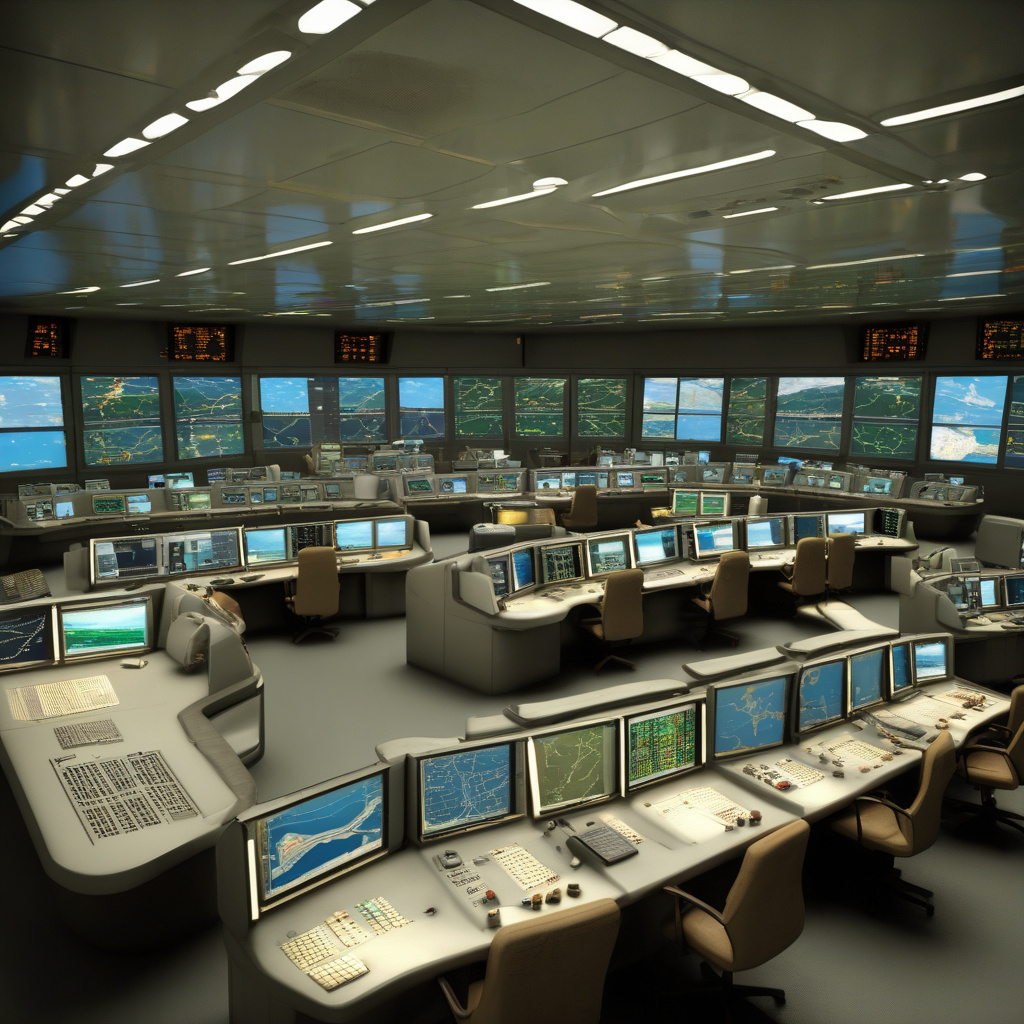
Air Traffic Control (ATC) technology is the invisible force that ensures the safe and efficient movement of planes in our skies. As you look up at the vast expanse above, it’s easy to marvel at the choreographed dance of aircraft, each following its designated path. But have you ever stopped to ponder the intricate systems that make this aerial ballet possible?
At the heart of ATC technology lies a complex network of radar systems, communication tools, and sophisticated software. Radar plays a pivotal role in tracking the position and movement of aircraft in real-time. Ground-based radar stations emit radio waves that bounce off aircraft, allowing controllers to monitor their speed, altitude, and direction.
Furthermore, communication is key in the world of aviation. Pilots and air traffic controllers exchange vital information through radio communications, ensuring seamless coordination and swift responses to changing conditions. These exchanges are governed by strict protocols to maintain clarity and prevent misunderstandings.
Moreover, modern ATC systems leverage advanced automation and data processing technologies to enhance efficiency and safety. Automated alerts warn controllers of potential conflicts between aircraft, enabling quick interventions to avoid collisions. Data analysis tools help forecast air traffic patterns, allowing for proactive adjustments to optimize routes and minimize delays.
In addition, satellite-based navigation systems like the Global Positioning System (GPS) have revolutionized air traffic management. GPS technology provides precise positioning data to pilots and controllers, facilitating more accurate navigation and reliable tracking, even in remote or densely trafficked areas.
Overall, the seamless operation of ATC technology is a testament to human ingenuity and technological advancement. The intricate interplay of radar, communication systems, automation, and satellite technology ensures that millions of passengers reach their destinations safely and on time, day in and day out.
So, the next time you gaze up at the sky and witness the orderly procession of planes soaring overhead, take a moment to appreciate the intricate web of ATC technology that makes it all possible. It’s a symphony of innovation and collaboration high above the clouds, keeping us connected and moving forward, one flight at a time.