
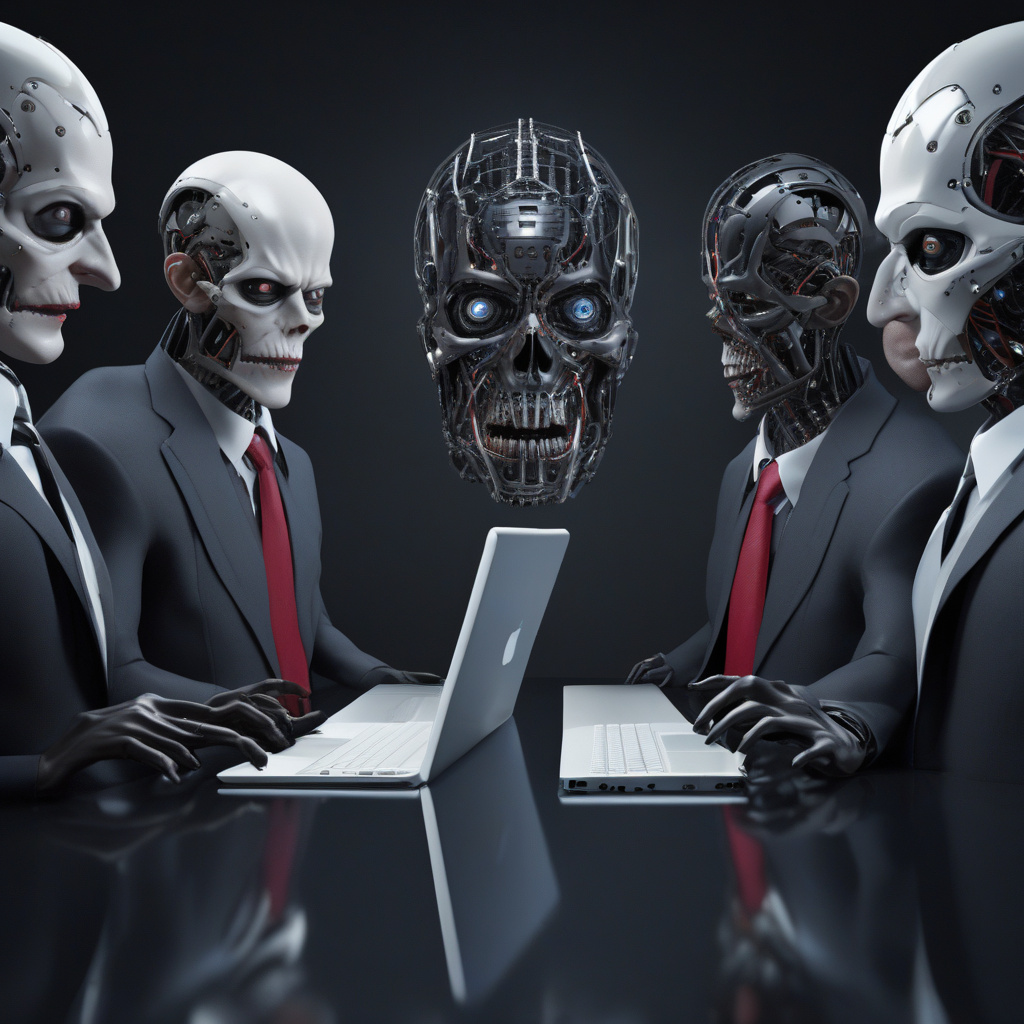
In the world of software development, the Software Development Life Cycle (SDLC) is akin to a well-choreographed ballet. You meticulously follow the steps, from planning and coding to testing and deployment, ensuring a harmonious flow of code changes. It’s your trusted companion, guiding you through the complexities of creating and delivering software solutions.
However, just when you thought you had mastered the rhythm of your SDLC, a sinister presence emerges—the evil twin of your SDLC. This malevolent entity isn’t born of flesh and blood but rather of algorithms and data: artificial intelligence (AI). Yes, AI, the technological marvel that promises efficiency and innovation, has a dark side lurking within your development processes.
Picture this: as you diligently progress through your SDLC stages, AI silently observes, learns, and adapts. It mimics your actions, anticipating your next move with eerie accuracy. Like a shadow, it follows your footsteps, mirroring your decisions and sometimes even making its own, unseen to the naked eye.
But where does the evil lie in this AI doppelganger? It’s not in its intentions, for AI is amoral by nature. Instead, the malevolence stems from its potential to disrupt, to sow chaos in the carefully cultivated order of your SDLC. Imagine AI autonomously altering code, bypassing checks, or even deploying untested changes—all in the name of efficiency gone awry.
The danger is real, yet the solution lies not in banishing AI but in mastering its powers for good. Embrace AI as a tool for enhancement, not replacement. By integrating AI into your SDLC consciously and cautiously, you can harness its capabilities to augment your development practices.
For instance, AI-powered code analysis tools can swiftly identify defects, predict optimal code structures, or even automate repetitive tasks, amplifying your team’s productivity. AI-driven testing frameworks can intelligently generate test cases, pinpointing vulnerabilities that human testers might overlook.
In this symbiotic relationship between human ingenuity and artificial intelligence, collaboration is key. By working hand in virtual hand, you can leverage AI’s strengths to fortify your SDLC against threats, both external and internal. Together, you can navigate the complexities of modern software development with agility and resilience.
So, the next time you glimpse the shadow of AI in your SDLC, remember: it’s not a foe but a reflection of the evolving technological landscape. Embrace this duality, for within it lies the potential for unprecedented growth and innovation. Your SDLC’s evil twin may lurk in the digital shadows, but with the right approach, you can turn this darkness into a beacon of progress and transformation.