
Title: Unveiling AI Limitations: Microsoft’s Simulation Test Exposes Surprising Weaknesses
In a groundbreaking move, researchers at Microsoft have introduced a simulated marketplace to scrutinize the capabilities of AI agents. This innovative approach aims to shed light on the existing limitations of artificial intelligence, uncovering unforeseen weaknesses in the process.
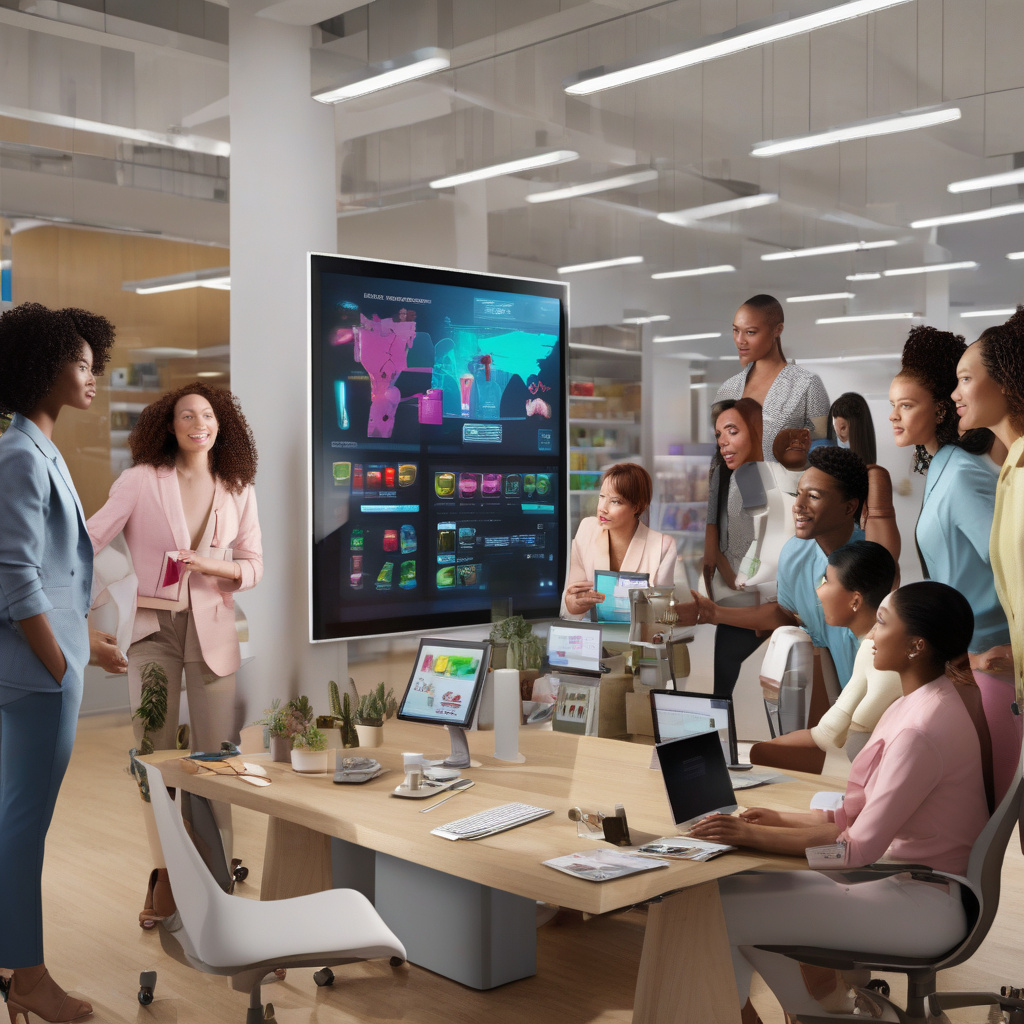
The simulated marketplace serves as a microcosm of real-world scenarios, challenging AI agents to navigate complex environments and make decisions akin to human behavior. Microsoft’s initiative not only underscores the quest for AI advancement but also highlights the intricacies and challenges that come with developing intelligent systems.
By subjecting AI agents to this simulated marketplace, researchers have unearthed surprising vulnerabilities that were previously unnoticed. These findings provide invaluable insights into the current state-of-the-art in AI technology and pave the way for refining future developments in this field.
One of the most intriguing aspects of this experiment is the unexpected ways in which AI agents failed to meet expectations. From misinterpreting basic commands to struggling with nuanced decision-making processes, the results of the simulation have raised pertinent questions about the efficacy of existing AI models.
For instance, AI agents may excel at handling straightforward tasks but falter when confronted with ambiguous or unstructured data. This discrepancy between performance in controlled settings and real-world applications underscores the need for continuous evaluation and enhancement of AI algorithms.
Moreover, the simulation has underscored the significance of human oversight in AI systems. While automation plays a pivotal role in streamlining processes and maximizing efficiency, human intervention remains crucial to rectify errors and ensure optimal functionality.
As the field of artificial intelligence continues to evolve, initiatives like Microsoft’s simulated marketplace offer a glimpse into the intricate dynamics between AI technology and human cognition. By confronting and addressing the limitations of AI agents, researchers can chart a course towards more robust and adaptive artificial intelligence systems.
In conclusion, Microsoft’s simulation test serves as a pivotal moment in the ongoing quest to unravel the complexities of AI technology. By embracing the failures and shortcomings revealed in this experiment, researchers can steer the trajectory of artificial intelligence towards greater efficiency and effectiveness in diverse real-world applications. This innovative approach not only highlights the need for continuous evaluation and improvement but also underscores the intricate interplay between AI systems and human intelligence.