
In the fast-paced digital age we live in, connectivity has become a cornerstone of our daily routines. Whether we’re checking emails, scrolling through social media feeds, or accessing essential information, having an internet connection is often non-negotiable. However, there are moments when we find ourselves in connectivity black holes, devoid of Wi-Fi or cellular signal. Picture this: you’re stuck on a delayed flight, navigating a subway tunnel, or unwinding in nature’s embrace during a camping trip—only to realize that your favorite mobile app is rendered useless with a simple message: “No internet connection.”
In these scenarios, the frustration of encountering an app that requires an internet connection to function properly is all too real. The inability to access crucial features, browse content, or even play a game can put a damper on your user experience. This begs the question: why do some mobile apps demand a constant internet connection, while others seamlessly operate offline? The answer lies in how these apps are designed and the functionalities they offer.
Certain apps, particularly those heavily reliant on real-time data, such as social media platforms, streaming services, or navigation tools, prioritize online connectivity. These apps continuously fetch and update content from servers, ensuring users receive the latest information at all times. While this approach enhances user experience by delivering dynamic content, it also necessitates a stable internet connection, making offline usage challenging.
On the flip side, apps designed to function offline prioritize accessibility and user convenience in disconnected environments. These apps store essential data locally on the device, allowing users to access core features without requiring a live internet connection. Examples of such offline-friendly apps include offline maps, note-taking apps, certain games, and productivity tools that synchronize data once connectivity is reestablished.
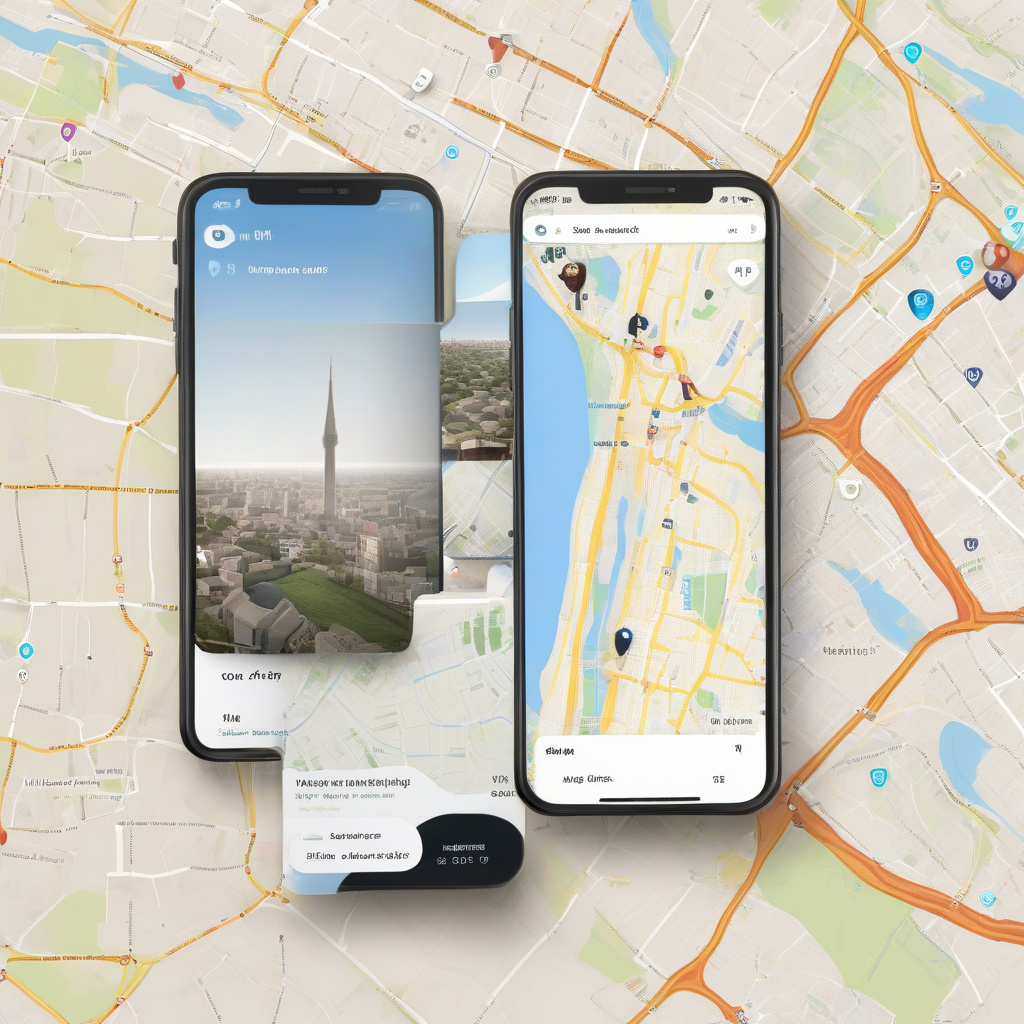
So, what makes offline functionality crucial for certain mobile apps? Consider a traveler exploring a foreign city with limited internet access. An offline maps app enables seamless navigation without the need for constant connectivity, ensuring the user can reach their destination efficiently. Similarly, a note-taking app that works offline allows users to jot down ideas, create to-do lists, or draft important documents even in connectivity-challenged environments.
Moreover, offline-capable apps cater to users in remote areas with poor connectivity, travelers on the go, or individuals looking to conserve data usage. By functioning offline, these apps empower users to stay productive, entertained, or informed regardless of their current connectivity status. This versatility and reliability contribute significantly to user satisfaction and loyalty.
In the realm of mobile app development, striking a balance between online and offline functionality is crucial. While some apps inherently require real-time data access, incorporating offline capabilities can broaden their usability spectrum and enhance user engagement. Developers must carefully assess the nature of their app, target audience, and usage scenarios to determine the optimal blend of online and offline features.
In conclusion, the importance of offline functionality in mobile apps cannot be overstated. The ability to operate seamlessly without a constant internet connection unlocks a world of possibilities for users, ensuring uninterrupted access to essential features and information. Whether you find yourself in a Wi-Fi dead zone, navigating remote terrain, or simply trying to conserve data, having an app that works offline is a game-changer. So, the next time you embark on a journey, remember to choose apps that stay by your side, even when the internet doesn’t.