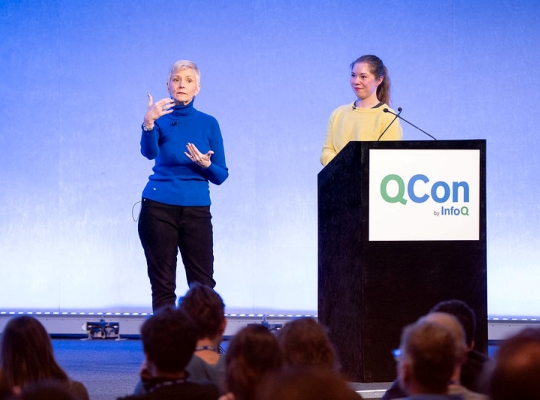
The Friction Fix: Building Collaborative Relationships Between Teams
In the fast-paced world of IT and software development, successful projects often hinge on the ability of different teams to collaborate effectively. Diana Montalion and Cat Morris shed light on the common pitfalls that can derail large-scale transformations. Their insights highlight the importance of addressing systemic friction points to foster collaborative relationships between teams.
Understanding Systemic Friction Points
Montalion and Morris emphasize the need to identify and address six key systemic friction points that can impede collaboration. These points serve as roadblocks that hinder progress and create tension between teams. By recognizing these challenges, organizations can proactively work towards smoother interactions and improved outcomes.
Driving Change Through Architectural Strategies
One key takeaway from Montalion and Morris’s discussion is the role of architects in driving change within organizations. By understanding the underlying systems at play, architects can design knowledge flows and architect relationships that promote collaboration. This proactive approach can help break down silos and encourage cross-team communication.
Focusing on Outcomes and Managing Resistance
A critical aspect of building collaborative relationships between teams is to focus on outcomes rather than individual agendas. Montalion and Morris stress the importance of aligning goals and objectives to create a shared vision for success. Additionally, they highlight the need to manage resistance effectively by addressing concerns openly and transparently.
Embracing a Learning-Driven Mindset
Montalion and Morris advocate for adopting a learning-driven mindset to navigate complex transformations successfully. By continuously seeking feedback, experimenting with new approaches, and adapting to change, teams can stay agile and resilient in the face of challenges. This commitment to learning fosters a culture of continuous improvement and innovation.
In conclusion, the insights shared by Diana Montalion and Cat Morris offer valuable guidance for building collaborative relationships between teams in the context of large-scale transformations. By addressing systemic friction points, leveraging architectural strategies, focusing on outcomes, managing resistance, and embracing a learning-driven mindset, organizations can foster a culture of collaboration and drive success in their projects.
Image Source: Res.infoq.com