
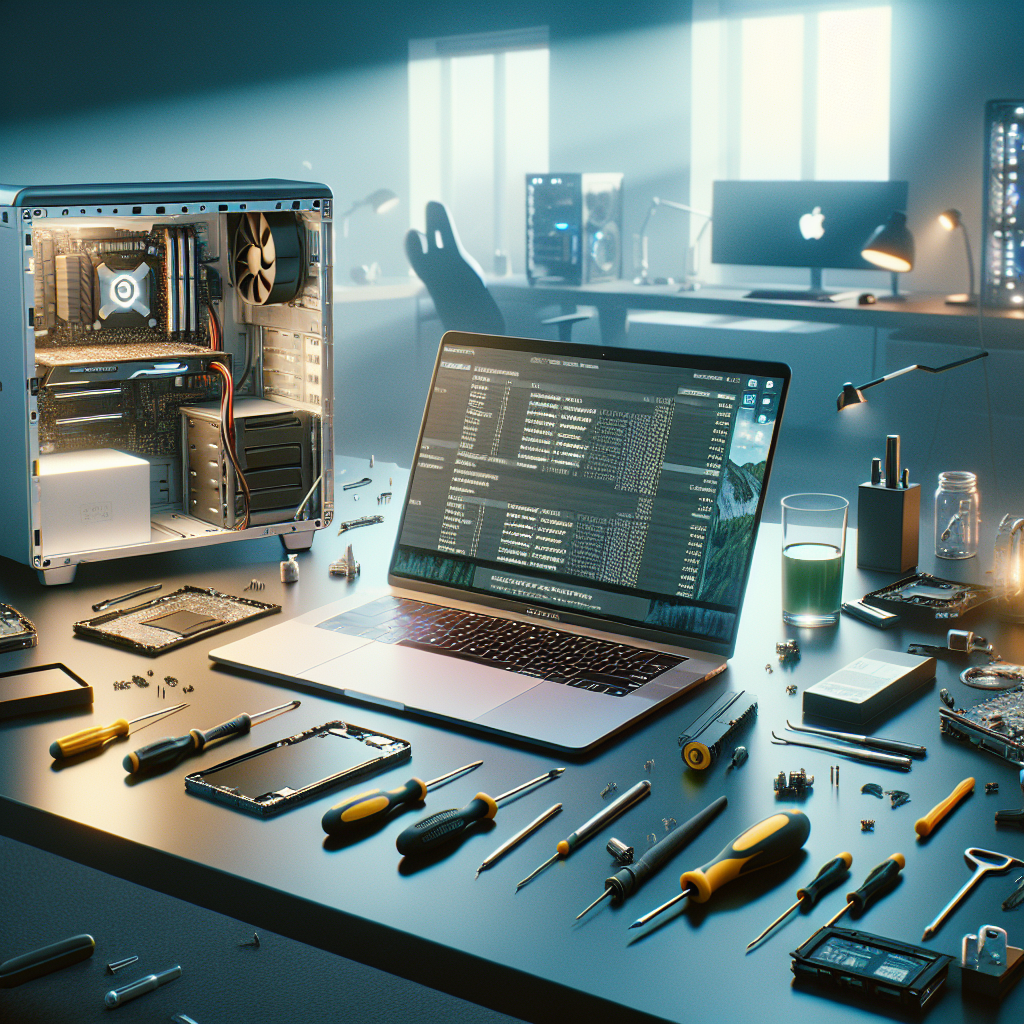
In the realm of laptops, the battle between MacBooks and their PC counterparts has always been a topic of heated debate. While MacBooks are renowned for their sleek design and user-friendly interface, a recent report has shed light on a crucial area where they seem to be lagging behind their PC rivals: repairability.
According to the report, MacBooks are facing criticism for their lack of repairability compared to PC laptops. This issue is not unique to MacBooks alone, as other laptop manufacturers, such as Lenovo, have also been called out for failing to provide sufficient repairability information to shoppers.
When it comes to repairability, PC laptops have traditionally held an edge over MacBooks due to their modularity and ease of access to components. PC laptops often allow users to easily replace or upgrade individual parts, such as RAM, storage, or batteries, without the need for specialized tools or technical expertise.
On the other hand, MacBooks are known for their tightly integrated design, which can make it challenging for users to perform repairs or upgrades on their own. Components in MacBooks are often soldered onto the motherboard or glued in place, making them difficult, if not impossible, for the average user to replace.
This lack of repairability not only poses a challenge for users looking to extend the lifespan of their devices but also has implications for the environment. Devices that are difficult to repair often end up being discarded rather than being repaired, contributing to electronic waste and environmental degradation.
In light of these concerns, there is a growing call for laptop manufacturers, including Apple and Lenovo, to prioritize repairability in their design process. Providing users with easy access to repair guides, spare parts, and modular components can not only empower users to extend the lifespan of their devices but also promote a more sustainable approach to consumer electronics.
As consumers become more conscious of the environmental impact of their purchasing decisions, transparency around repairability and sustainability practices is becoming a key differentiator for brands. Manufacturers that prioritize repairability and provide users with the tools and information they need to repair their devices are likely to gain a competitive edge in the market.
In conclusion, while MacBooks and PC laptops continue to compete in terms of performance and design, repairability is an area where MacBooks are falling behind their PC rivals. By addressing the issue of repairability and providing users with the resources they need to repair and upgrade their devices, laptop manufacturers can not only meet the needs of their customers but also contribute to a more sustainable electronics industry.