
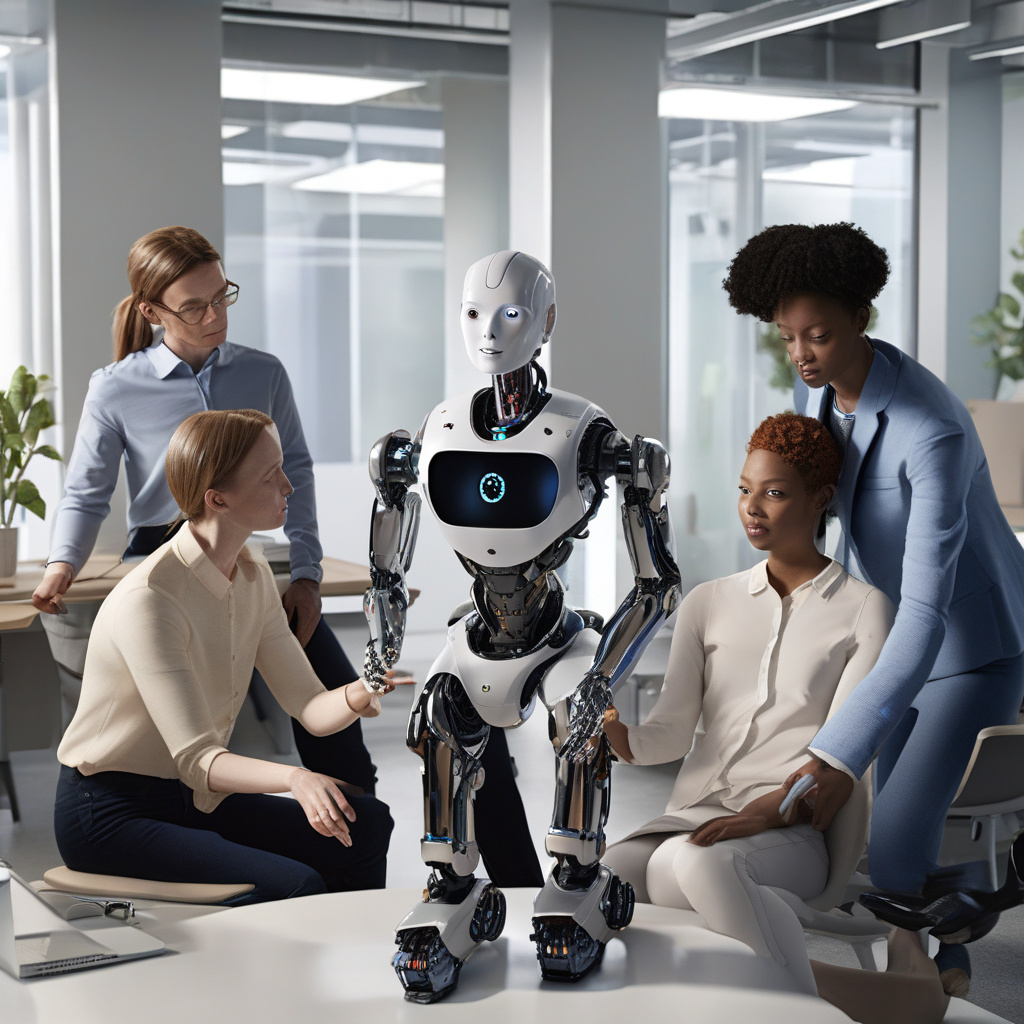
Human-AI Readiness: Navigating the Explosive Evolution
The world of Artificial Intelligence (AI) is no longer a distant reality; it’s a booming ecosystem that demands our attention. With tech giants like Amazon, Google, Meta, and Microsoft pouring billions into infrastructure investment to bolster AI capabilities, the stakes have never been higher. In 2024 alone, these companies collectively invested a staggering $251 billion, a 62% increase from the previous year. And the trajectory shows no signs of slowing down, with projections soaring past $300 billion in 2025.
This exponential growth isn’t just a blip on the radar; it’s a seismic shift that is reshaping industries and redefining possibilities. The allure of having “superior intelligence on tap” is driving innovation at a breakneck pace. Startups are sprouting up like wildflowers, each offering a unique take on how AI can revolutionize our world. It’s not just evolution at play here; it’s a full-blown eruption of technological advancement.
As the theory of AI adoption matures, so do our perceptions of its implications. The era of doomsday prophecies a la Terminator is waning, making way for a more nuanced understanding of the real challenges ahead. The focus is shifting from Hollywood scenarios to the nitty-gritty of how AI will reshape our social fabric on a global scale. We’re no longer just consumers of AI; we’re collaborators, coexisting with AI interfaces in every facet of our lives, from our smartphones and smart glasses to the robots and drones that share our spaces.
This shift necessitates a new paradigm of readiness—Human-AI readiness. It’s not just about being tech-savvy or data-driven anymore; it’s about cultivating a mindset that embraces the symbiotic relationship between humans and AI. To thrive in this new landscape, professionals in IT and software development need to hone specific skills and approaches that will enable them to navigate this brave new world with confidence.
Embracing Collaboration Over Competition
One of the key tenets of Human-AI readiness is the shift from a competitive mindset to a collaborative one. AI is not here to replace us; it’s here to augment our capabilities and enhance our potential. By embracing this collaborative ethos, IT professionals can leverage AI as a powerful ally in their quest for innovation and efficiency. Instead of viewing AI as a threat, they can see it as a tool that can amplify their impact and drive meaningful change.
Cultivating Adaptability and Resilience
In a rapidly evolving landscape like AI, adaptability is key. IT professionals must be willing to embrace change, pivot quickly, and learn new skills on the fly. The ability to adapt to new technologies and methodologies is crucial for staying relevant and competitive in the age of AI. Moreover, resilience is equally important; setbacks and challenges are inevitable, but the ability to bounce back and keep pushing forward is what sets successful professionals apart.
Prioritizing Ethical and Transparent AI Practices
With great power comes great responsibility. As AI becomes more pervasive in our lives, ethical considerations loom large. IT professionals must prioritize ethical AI practices, ensuring that algorithms are fair, unbiased, and transparent. By embedding ethical considerations into every stage of the AI development process, professionals can build trust with users and mitigate potential risks associated with AI deployment.
Investing in Continuous Learning and Development
The pace of technological advancement shows no signs of slowing down, which means that continuous learning is non-negotiable for IT professionals. Staying abreast of the latest AI trends, tools, and techniques is essential for remaining competitive in the field. Whether through formal education, online courses, or hands-on experience, investing in ongoing learning and development is the key to staying ahead of the curve in the ever-evolving world of AI.
In conclusion, Human-AI readiness is not just a buzzword or a fleeting trend; it’s a strategic imperative for IT and software development professionals. By embracing collaboration, cultivating adaptability, prioritizing ethics, and investing in continuous learning, professionals can position themselves for success in the dynamic landscape of AI. The cosmic expectations and colossal investments in AI are not just for the tech giants; they’re opportunities for every individual to harness the power of AI and shape a future where humans and machines work together harmoniously.