
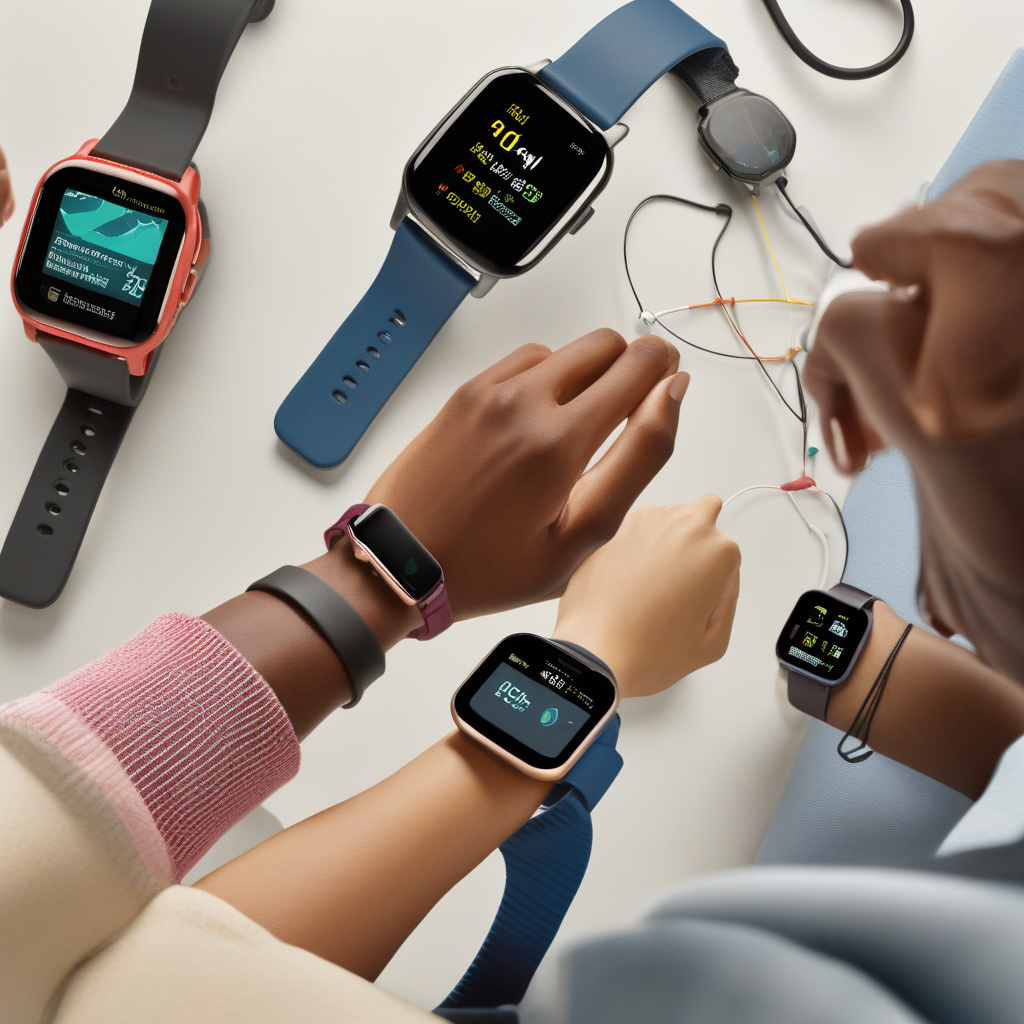
Universities are increasingly leveraging wearable technology to delve into new frontiers of health data analysis. This innovative approach allows them to gather real-time information on various health conditions at a scale previously unattainable. With the help of wearable devices, researchers can monitor vital signs, activity levels, and even sleep patterns of individuals, providing a wealth of data for analysis and interpretation.
In a recent post by TechRound, the growing trend of universities utilizing wearable tech to gain insights into health data was highlighted. This shift marks a significant advancement in the healthcare sector, paving the way for more personalized and proactive approaches to well-being. By harnessing the power of wearable devices, universities can not only gather data but also analyze trends and patterns that may lead to groundbreaking discoveries in healthcare research.
One key advantage of using wearable technology in universities is the ability to collect continuous and unobtrusive data from individuals in their natural environments. This means researchers can gain a more comprehensive understanding of how various factors impact health outcomes over time. For example, wearable devices can track changes in heart rate during exercise, monitor glucose levels in real-time, or even detect early signs of certain medical conditions through subtle changes in biometric data.
Moreover, the data gathered from wearable devices can be analyzed using advanced algorithms and machine learning techniques to uncover hidden insights. By processing large volumes of data, researchers can identify correlations, predict health outcomes, and tailor interventions based on individual needs. This personalized approach to healthcare holds immense potential for improving diagnosis, treatment, and overall well-being.
For instance, researchers at universities can use wearable technology to study the impact of lifestyle choices on health outcomes. By tracking factors such as diet, exercise, stress levels, and sleep quality, they can gain valuable insights into how these variables influence overall health. This holistic approach to data collection allows for a more nuanced understanding of individual health profiles, enabling targeted interventions for better outcomes.
Furthermore, wearable devices can empower individuals to take control of their health by providing real-time feedback and personalized recommendations. With the data collected from these devices, users can make informed decisions about their lifestyle habits, monitor progress towards health goals, and even share data with healthcare providers for more effective treatment plans. This seamless integration of technology into everyday life not only enhances health awareness but also fosters a proactive approach to well-being.
In conclusion, the integration of wearable technology in universities represents a significant step forward in understanding new health data. By harnessing the power of wearable devices, researchers can gather real-time information, analyze trends, and personalize interventions for better health outcomes. This innovative approach not only expands the possibilities of healthcare research but also empowers individuals to take charge of their well-being in a data-driven world. As universities continue to embrace wearable tech, we can expect to see more groundbreaking discoveries and transformative improvements in healthcare practices.