
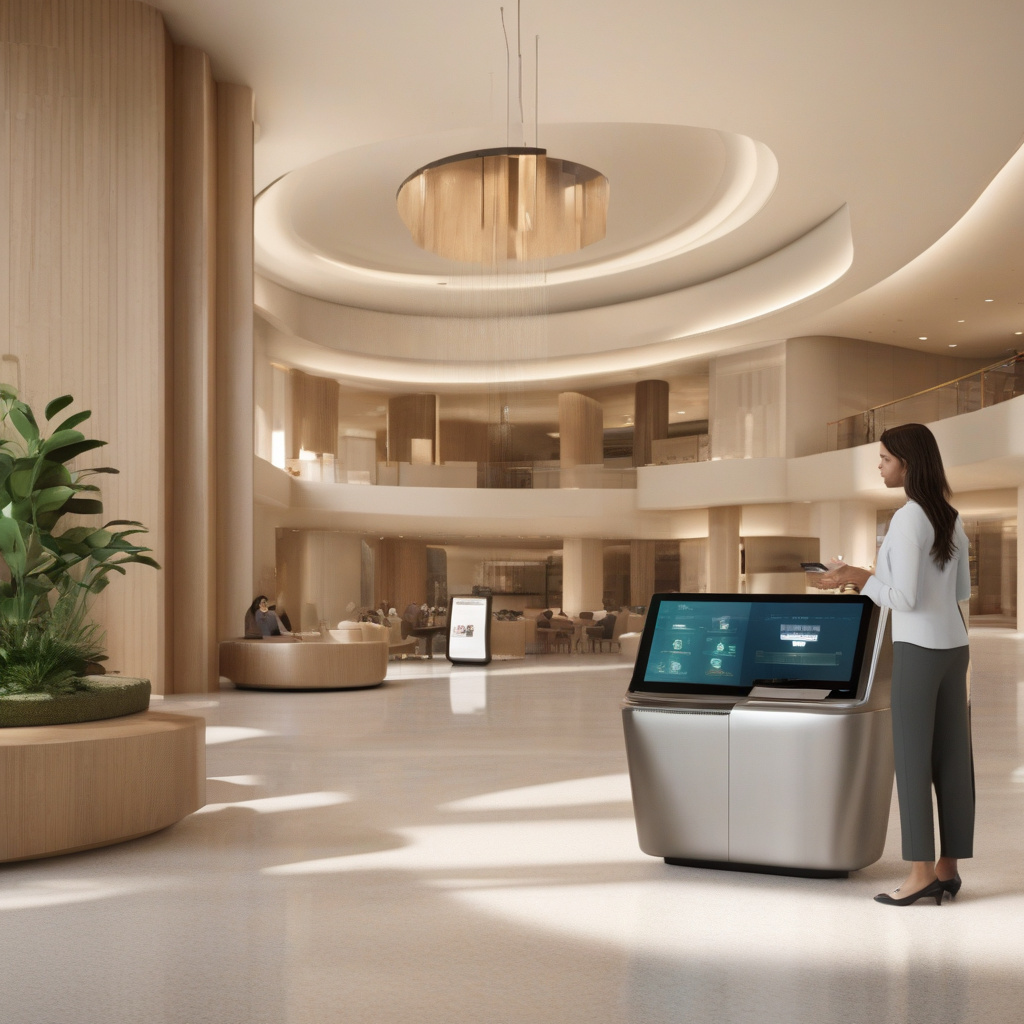
Hotels and Resorts Embracing AI: A Game-Changer in Customer Experience
In the fast-paced world of hospitality, the integration of Artificial Intelligence (AI) is revolutionizing the way hotels and resorts operate. According to h2c GmbH’s Global Study, while many establishments are discussing AI, only a select few have successfully harnessed its full potential. This begs the question: how exactly are hotels and resorts leveraging AI to enhance guest experiences and streamline operations?
One of the primary areas where AI is making a significant impact is in personalized guest experiences. Through AI-powered chatbots, hotels can provide instant responses to guest queries, offer tailored recommendations based on preferences and past interactions, and even facilitate seamless booking processes. For instance, the Marriott International’s chatbot allows guests to make reservations, request services, and receive personalized recommendations, all through a simple conversation interface.
Moreover, AI is being used to optimize pricing strategies and revenue management. By analyzing vast amounts of data in real-time, AI algorithms can adjust room rates based on factors like demand, seasonality, and competitor pricing. This dynamic pricing approach enables hotels to maximize revenue and occupancy rates without manual intervention, ultimately leading to increased profitability.
In addition to enhancing guest experiences and revenue management, AI is also playing a crucial role in improving operational efficiency within hotels and resorts. For example, the use of AI-powered predictive maintenance systems can help identify potential equipment failures before they occur, allowing maintenance teams to address issues proactively and prevent costly downtime. Similarly, AI-driven inventory management systems can optimize stock levels, minimize waste, and ensure that essential supplies are always available when needed.
Furthermore, AI is empowering hotels to offer hyper-personalized services to guests. By analyzing guest data and behavior patterns, AI algorithms can anticipate individual preferences and provide tailored recommendations for activities, dining options, or amenities. This level of personalization not only enhances the overall guest experience but also fosters loyalty and repeat business.
Another exciting application of AI in the hospitality industry is the use of facial recognition technology. Hotels and resorts are leveraging this technology for various purposes, including streamlining check-in processes, enhancing security measures, and personalizing guest interactions. For example, the Alibaba Group’s FlyZoo Hotel in China utilizes facial recognition for seamless check-ins, room access, and payments, offering guests a convenient and futuristic experience.
In conclusion, the adoption of AI in hotels and resorts is reshaping the industry landscape, offering unparalleled opportunities to enhance guest experiences, optimize operations, and drive business growth. While the journey towards full AI integration may pose challenges, the benefits it brings in terms of efficiency, personalization, and innovation are undeniable. As more establishments continue to explore and implement AI solutions, the future of hospitality looks promising, with endless possibilities for creating memorable experiences for guests around the globe.