
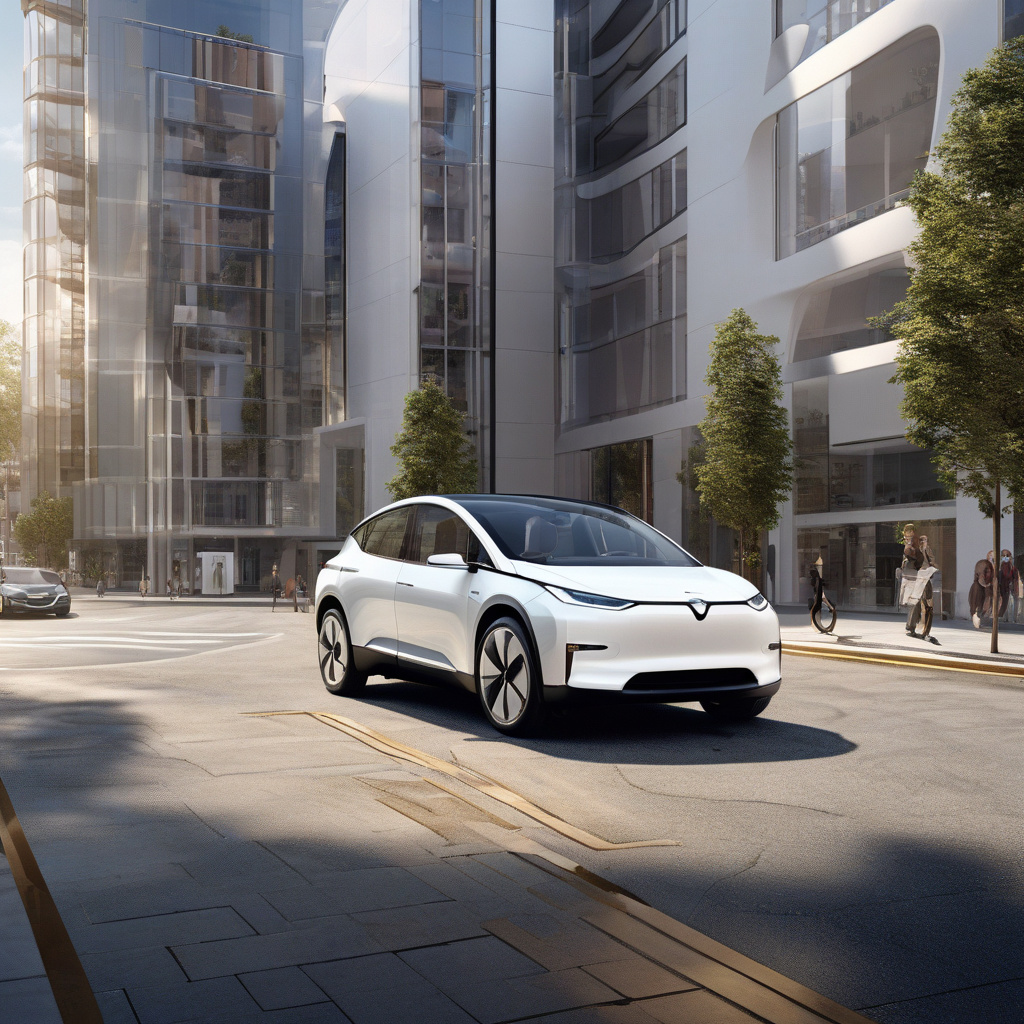
In the dynamic landscape of the UK electric vehicle market, a fascinating trend has emerged. Recent data unveiled by Octopus Electric Vehicles sheds light on the intensifying competition between established European automakers and the rising stars hailing from China. Amidst this fierce rivalry, one name shines brightly at the top of the Octopus EV list: OMODA from China.
European car manufacturers have long been synonymous with quality, innovation, and a rich automotive heritage. Brands like Renault, Volkswagen, and BMW have been at the forefront of technological advancements and sustainability efforts in the EV domain. However, the emergence of Chinese brands, such as OMODA, BYD, and NIO, is challenging the traditional European dominance with their fresh perspectives and cutting-edge offerings.
OMODA’s consistent position at the summit of the Octopus EV list signifies more than just numerical superiority. It symbolizes a paradigm shift in the industry, where heritage meets innovation, and tradition clashes with disruption. The allure of OMODA’s electric vehicles lies not only in their performance and design but also in the embodiment of a new era of automotive excellence that transcends geographical boundaries.
While European brands continue to uphold their legacy and push the boundaries of electric mobility, Chinese manufacturers are rapidly gaining ground by leveraging technological prowess, strategic partnerships, and a deep understanding of the evolving market dynamics. The competition between these two powerhouses is not just about sales figures; it’s a reflection of the industry’s evolution and the quest for sustainable transportation solutions.
As consumers navigate the plethora of electric vehicle options available to them, they are presented with a diverse array of choices that cater to varying preferences and priorities. Whether it’s the classic sophistication of a European brand or the futuristic appeal of a Chinese upstart, the decision ultimately rests on factors like range, charging infrastructure, price, and environmental impact.
In this era of transition towards cleaner and greener transportation, the clash between European stalwarts and Chinese contenders injects excitement and innovation into the electric vehicle market. It compels established players to adapt, evolve, and embrace change, while inspiring newcomers to push the boundaries of what is possible in the realm of sustainable mobility.
As we witness this fascinating tug-of-war between tradition and transformation, one thing remains clear: the future of electric vehicles is being shaped by a global tapestry of brands, each contributing its unique blend of technology, vision, and values to create a more sustainable and efficient automotive ecosystem. At the same time, it offers consumers a diverse and compelling range of choices that cater to their individual needs and preferences.
In conclusion, while European brands mount a formidable challenge to the ascendancy of Chinese players like OMODA in the Octopus EV list, the competitive spirit driving this industry forward benefits us all. It fuels innovation, accelerates progress, and ultimately paves the way for a more sustainable and eco-friendly future on the roads we travel.