
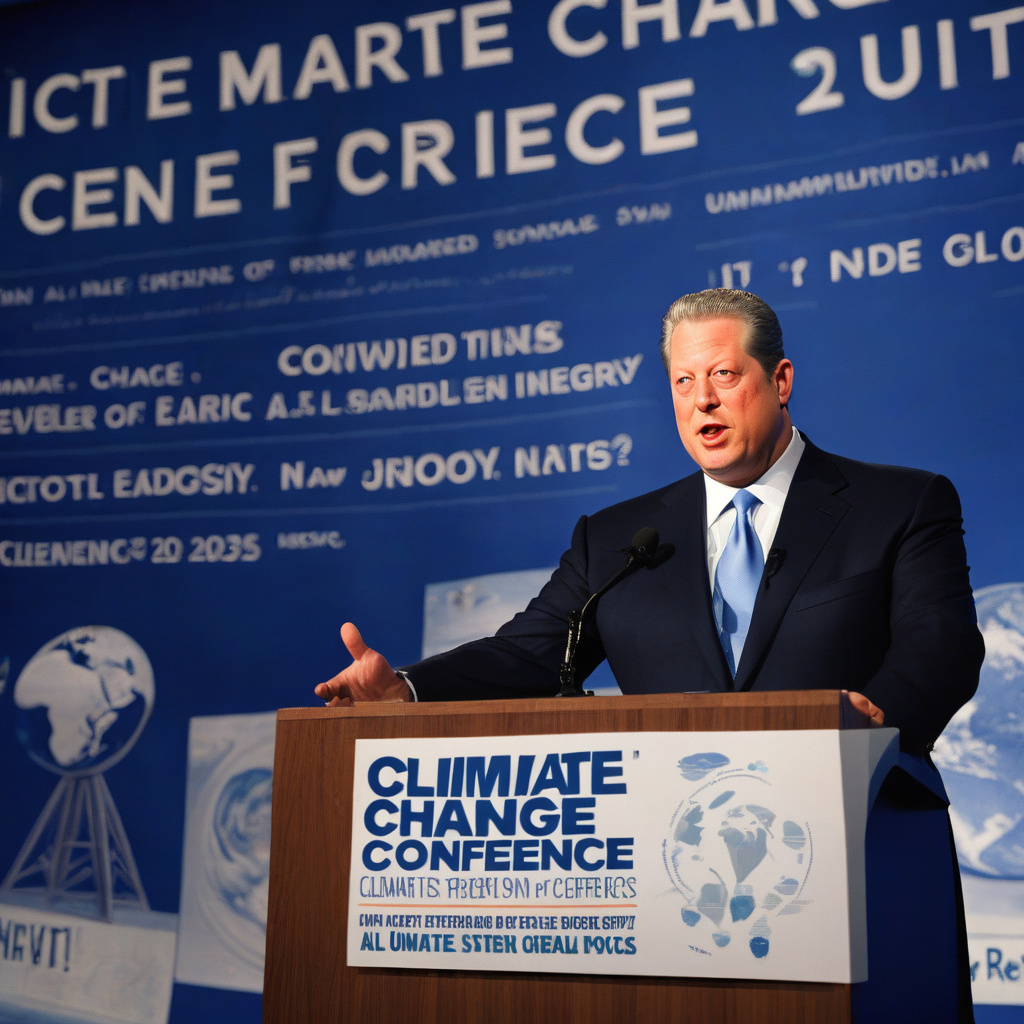
Al Gore on China’s Climate Rise: A Surprising Turn of Events
In a recent conversation with Lila Preston of Generation Investment Management, Al Gore expressed astonishment at China’s rapid emergence as a climate leader. This unexpected shift in the global landscape highlights the complex interplay between technology, sustainability, and geopolitics.
One key area of discussion was the tech industry’s increasing reliance on rare earth minerals. As companies strive to develop cutting-edge technologies, the demand for these critical resources has surged. This trend not only raises concerns about supply chain sustainability but also underscores the urgent need for responsible sourcing practices.
Moreover, the AI boom’s thirst for massive data centers has significant implications for global energy consumption. The exponential growth of artificial intelligence technologies is driving the construction of data infrastructure on an unprecedented scale. Balancing the benefits of AI innovation with the environmental impact of powering these data centers remains a pressing challenge for the tech sector.
Another topic of debate was the space industry’s surge in rocket launches and its environmental footprint. While space exploration holds immense scientific promise, the carbon emissions associated with rocket launches raise questions about the industry’s overall sustainability. Assessing whether the benefits of space innovation outweigh its environmental costs requires a nuanced evaluation of long-term impacts.
As Al Gore and Lila Preston delved into these pressing issues, one thing became clear: the intersection of technology and sustainability is more complex than ever before. Navigating this landscape requires a multifaceted approach that considers not only technological advancement but also its broader environmental and social implications.
In conclusion, Al Gore’s reflections on China’s climate leadership serve as a reminder that the dynamics of global sustainability are constantly evolving. By engaging in thoughtful dialogue and proactive decision-making, stakeholders across industries can work towards a more sustainable future. As we continue to witness the transformative power of technology, remaining vigilant about its environmental footprint is essential for building a more resilient and responsible world.