
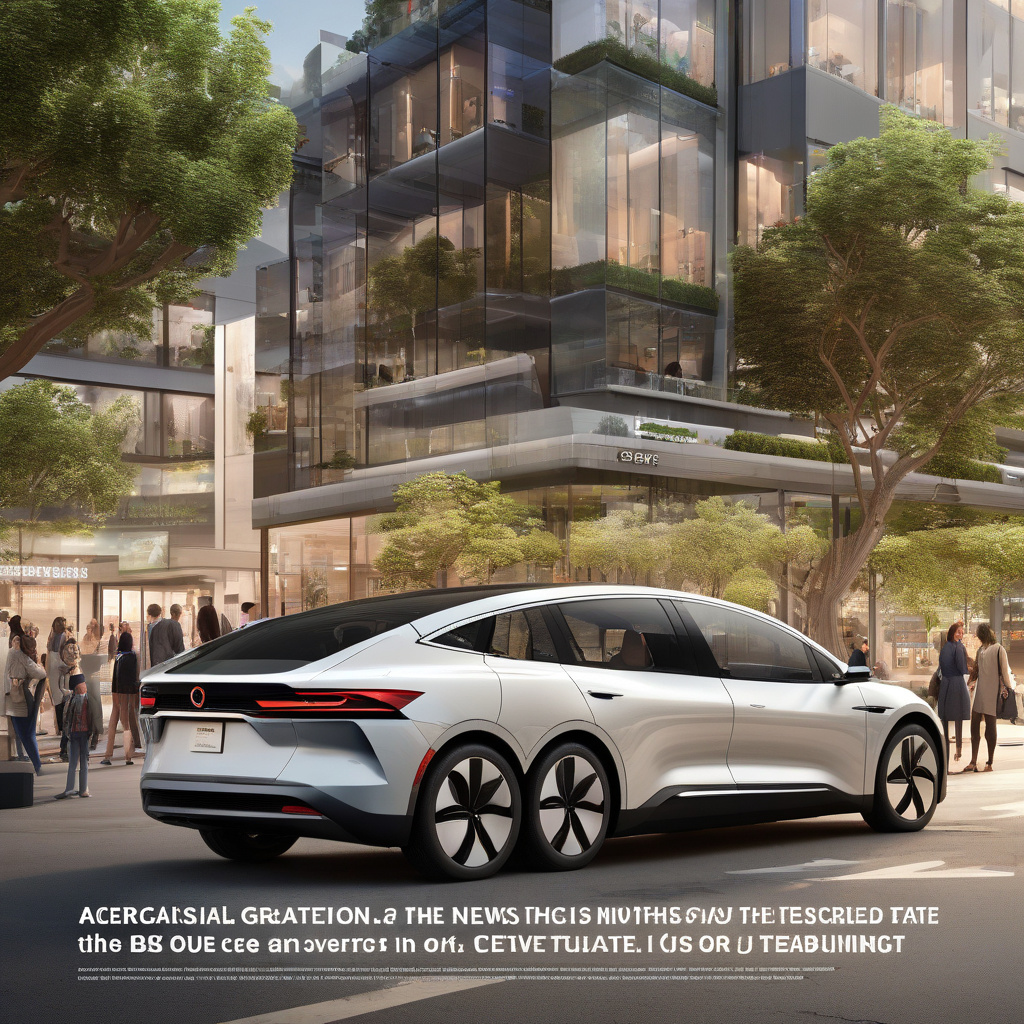
Title: 7 Common Myths About Electric Vehicles (EVs), Debunked
Are you hesitant about making the switch to an Electric Vehicle (EV) due to common misconceptions? Let’s debunk some prevalent myths to help you make an informed decision.
Myth 1: You Cannot Take an EV Charger When Moving Home
Some believe that once you install a charging point at home, you can’t take it with you when you move. In reality, EV chargers are portable and can be easily uninstalled and relocated to your new residence.
Myth 2: EVs Can Be Manual
Contrary to the misconception held by 17% of individuals, EVs do not require manual transmission. Electric vehicles are known for their smooth and seamless acceleration, eliminating the need for manual gear shifts.
Myth 3: EVs Cannot Drive Through Water
Approximately 14% of people think that EVs are not designed to drive through water. However, EVs are equipped with sealed battery compartments and electrical systems, making them safe to navigate through wet conditions.
Myth 4: EVs Have Limited Range
One common myth surrounding EVs is their limited driving range. With advancements in battery technology, many modern electric vehicles can travel over 200 miles on a single charge, making them suitable for daily commutes and long-distance trips.
Myth 5: EVs Are Expensive to Maintain
Contrary to popular belief, EVs are generally more cost-effective to maintain than traditional petrol or diesel vehicles. With fewer moving parts and no need for oil changes, EV owners can enjoy lower maintenance costs over the vehicle’s lifetime.
Myth 6: Charging an EV Is Complicated
Some individuals are deterred from purchasing an EV due to the misconception that charging is a complex process. In reality, charging an EV is as simple as plugging it into a charging station at home, work, or public locations.
Myth 7: EVs Are Not Environmentally Friendly
Despite misconceptions, EVs offer significant environmental benefits compared to internal combustion engine vehicles. By producing zero tailpipe emissions, EVs help reduce air pollution and greenhouse gas emissions, contributing to a cleaner and healthier environment.
In conclusion, debunking these common myths about Electric Vehicles can pave the way for a more informed decision-making process. As technology continues to advance, EVs are becoming increasingly practical, affordable, and eco-friendly transportation options for the future. So, why not consider making the switch to an EV and experience the benefits firsthand?
Remember, when it comes to Electric Vehicles, knowledge is power. Stay informed and stay ahead of the curve in the evolving world of automotive technology.