
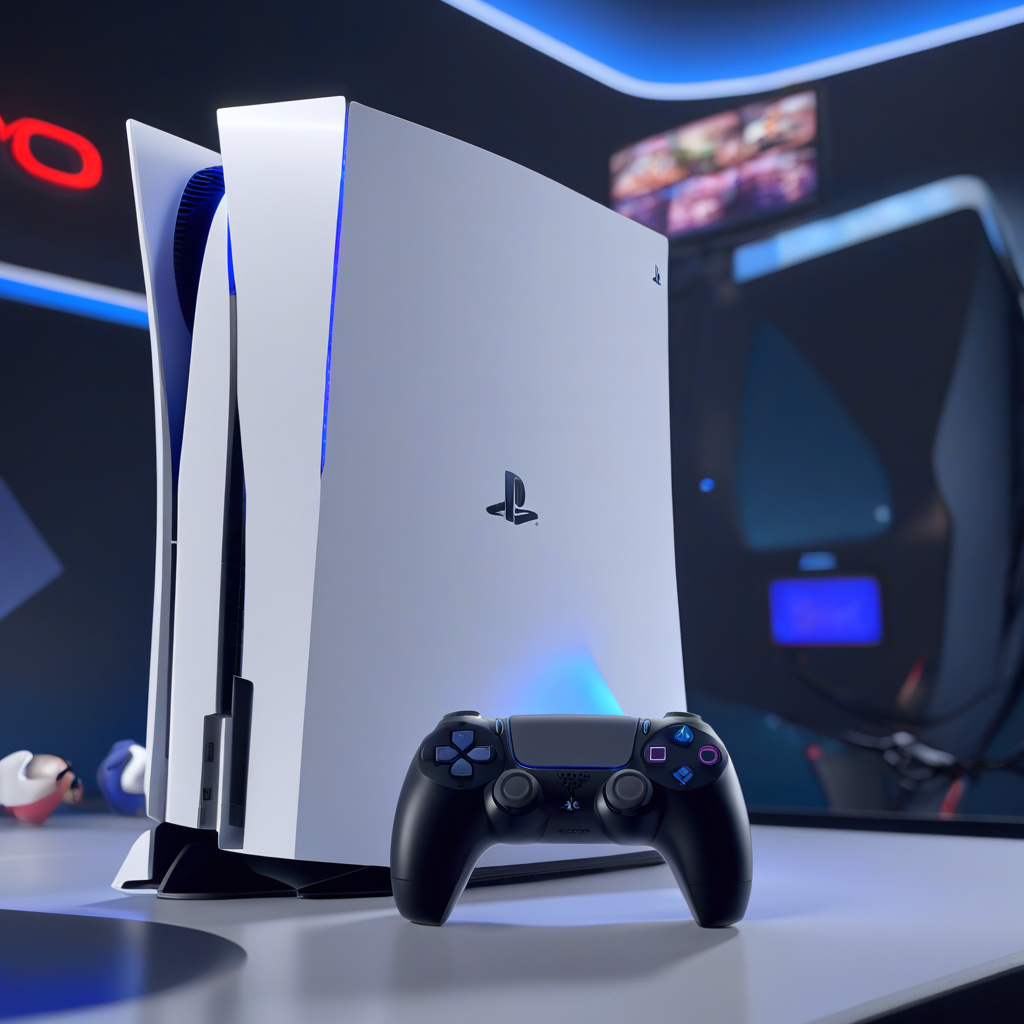
Sony, a key player in the gaming industry, has recently made a significant move that has stirred discussions among gaming enthusiasts and analysts alike. The company has decided to increase the price of all PlayStation 5 consoles in the US by $50. This decision comes as a response to the imposition of US tariffs and the company’s acknowledgment of a challenging economic landscape that has led to rising costs.
The announcement of the price hike, effective immediately, has sparked various reactions within the gaming community. While some may view this as an unwelcome development, it’s crucial to understand the broader context in which Sony made this decision. The impact of tariffs on imported goods, including electronic devices like gaming consoles, can place a considerable strain on companies like Sony.
In the competitive realm of gaming consoles, pricing strategies play a pivotal role in consumer behavior. With the PlayStation 5 already positioned as a premium product, any price adjustments are closely scrutinized. Sony’s decision to raise the price by $50 reflects the intricate balance that companies must navigate to ensure profitability while remaining competitive in the market.
This price increase also sheds light on the interconnected nature of global trade policies and their repercussions on various industries. The imposition of tariffs can disrupt supply chains, increase production costs, and ultimately influence pricing decisions. As companies strive to adapt to these external factors, consumers may witness fluctuations in product prices, as seen in the case of the PlayStation 5.
For consumers who have been eagerly anticipating purchasing a PlayStation 5, this price increase may come as a disappointment. However, it’s essential to recognize that Sony’s decision is a strategic response to external economic challenges. As the gaming landscape continues to evolve, with advancements in technology and shifts in market dynamics, price adjustments are sometimes inevitable.
Moving forward, it will be interesting to observe how this price increase impacts consumer demand for the PlayStation 5. Will loyal fans still be willing to invest in the console at a higher price point? How will competitors in the gaming industry respond to Sony’s decision? These are questions that will shape the gaming market in the coming months.
In conclusion, Sony’s decision to raise the price of the PlayStation 5 in response to US tariffs underscores the complexities that companies face in a dynamic global economy. While price adjustments may not always be well-received, they are often a strategic necessity to navigate challenges and ensure sustainable business operations. As the gaming industry continues to evolve, adaptability and foresight will be key for companies like Sony to thrive amidst changing market conditions.