
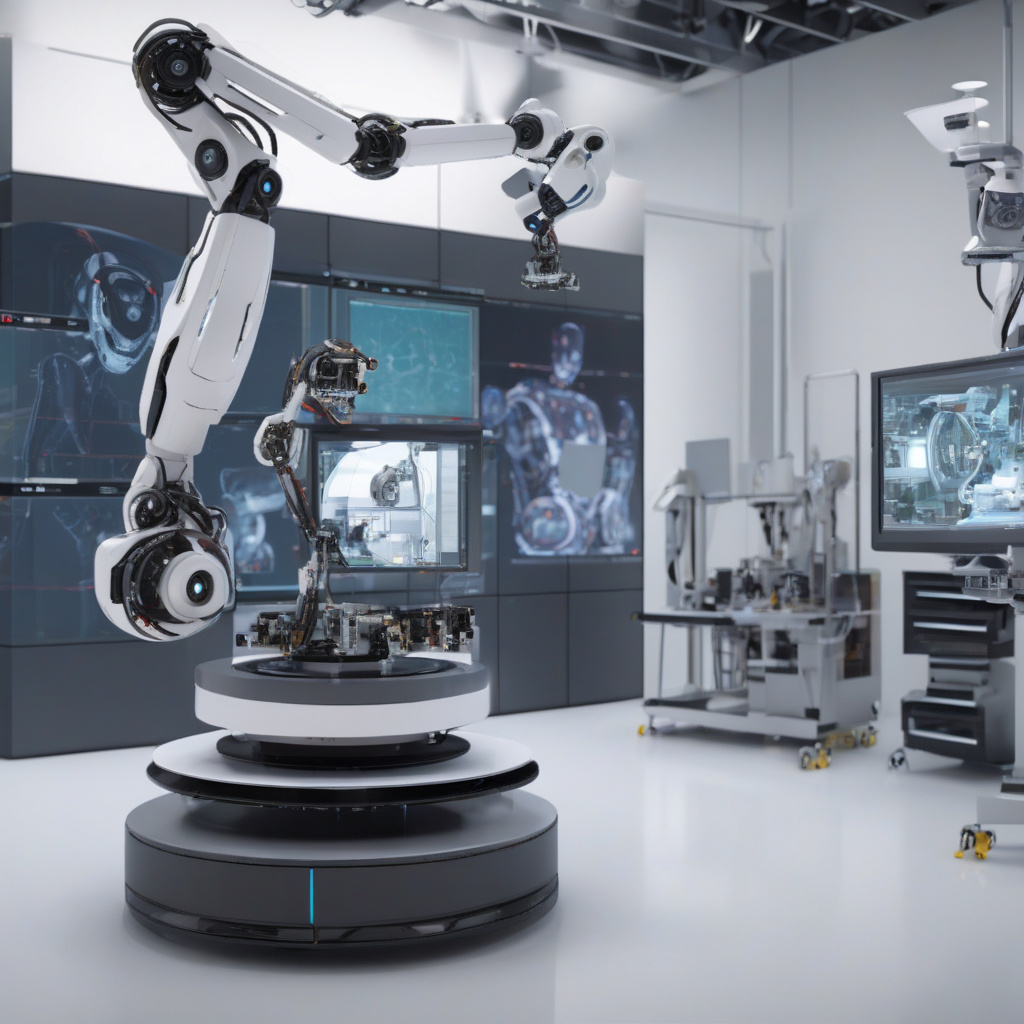
Enhancing Robotics with OpenCV Integration for Live 360 Video
In the realm of robotics, where artificial intelligence continues to push boundaries, the integration of OpenCV for processing live 360-degree video brings a new wave of possibilities. As robots take on tasks that are hazardous or mundane for humans, the utilization of cameras linked to Linux-based systems like NVIDIA Jetson or x86 SBCs is becoming standard practice.
When it comes to leveraging live 360-degree video for robotic applications, there are key considerations to keep in mind. One approach involves employing multiple cameras and then either stitching the video feed together on the onboard computer or processing each video stream independently. The number of cameras required is determined by the field of view offered by each camera. For instance, if a robot utilizes two fisheye lenses capable of capturing over 180 degrees, only a pair of cameras would be necessary, although it’s not uncommon to see setups with three or four cameras in use.
The integration of OpenCV, an open-source computer vision and machine learning software library, plays a crucial role in enabling robots to interpret and act upon the live 360-degree video feed they receive. OpenCV provides a wide array of tools and functionalities that empower developers to implement complex image and video processing algorithms with ease. By harnessing the capabilities of OpenCV, robotics engineers can extract valuable insights from the video feed in real-time, facilitating autonomous decision-making by the robot.
One of the primary advantages of using OpenCV for live 360-degree video processing in robotics is the library’s robust support for camera calibration and image stitching. These features are essential for seamlessly combining multiple video streams into a cohesive panoramic view, allowing the robot to perceive its surroundings with greater clarity and accuracy. Furthermore, OpenCV’s object detection and tracking capabilities enable robots to identify and follow objects of interest within the 360-degree video feed, enhancing their situational awareness and responsiveness.
Moreover, OpenCV’s integration with popular programming languages like Python and C++ makes it accessible to a wide range of developers, regardless of their programming background. This versatility ensures that robotics teams can leverage OpenCV’s capabilities effectively, whether they are focusing on navigation, object recognition, or interaction with the environment. Additionally, the active community support and continuous development of OpenCV mean that developers can benefit from the latest advancements in computer vision technology, staying at the forefront of innovation in robotics applications.
In practical terms, the seamless integration of OpenCV with live 360-degree video for robotics opens up a multitude of possibilities for enhancing the efficiency and effectiveness of robotic systems across various industries. For instance, in industrial settings, robots equipped with live 360-degree video processing capabilities can conduct detailed inspections of complex machinery or hazardous environments with precision and accuracy, minimizing the need for human intervention in high-risk scenarios.
In the field of surveillance and security, robots integrated with OpenCV for live 360-degree video analysis can monitor large areas effectively, detecting anomalies or intrusions in real-time and alerting security personnel promptly. This proactive approach to surveillance not only enhances overall safety and security measures but also relieves human operators from the monotony of continuous monitoring tasks.
In conclusion, the integration of OpenCV for processing live 360-degree video in robotics represents a significant leap forward in leveraging cutting-edge technology to enhance the capabilities of intelligent robotic systems. By harnessing the power of OpenCV’s computer vision algorithms and image processing tools, robotics engineers can empower robots to navigate complex environments, make autonomous decisions, and perform a wide range of tasks with precision and efficiency. As the field of robotics continues to evolve, the seamless integration of OpenCV with live 360-degree video is poised to revolutionize the way robots interact with and perceive the world around them, ushering in a new era of innovation and possibilities in robotics applications.