
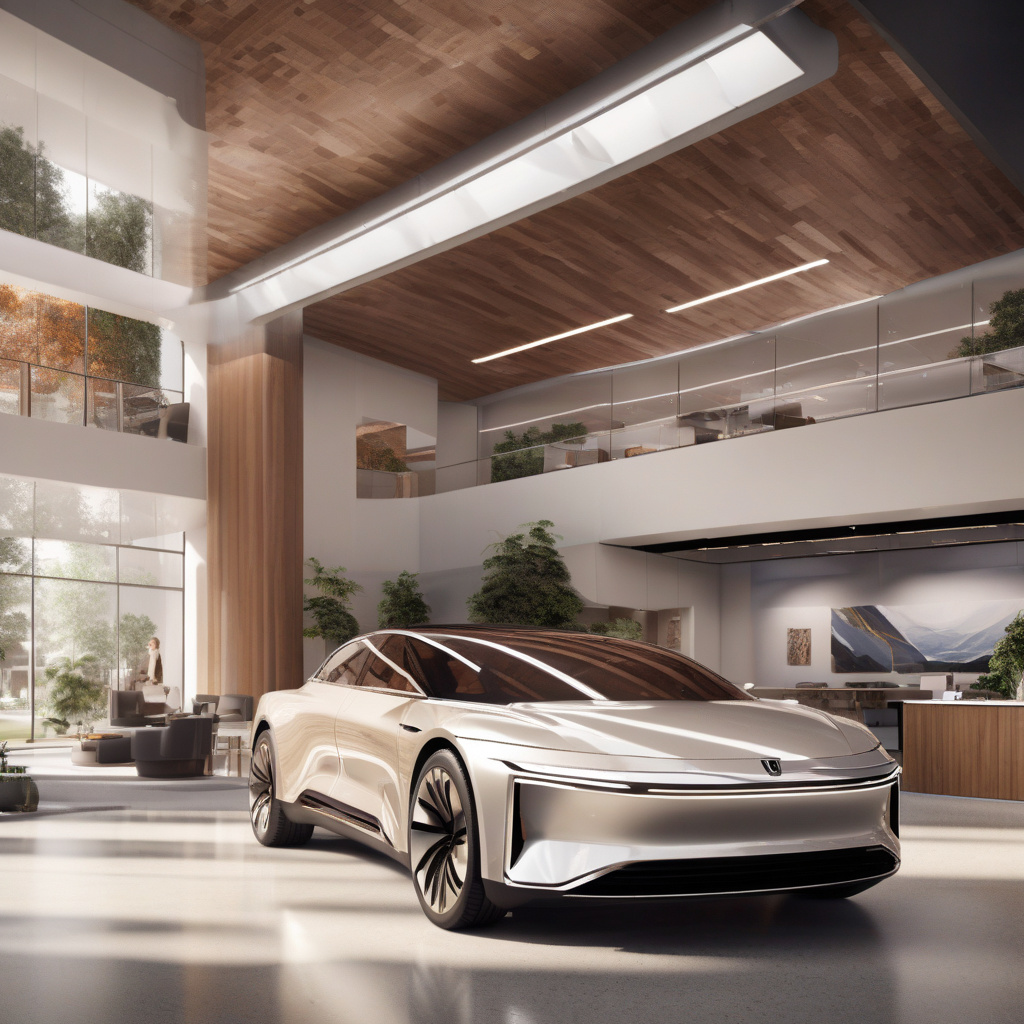
Lucid Motors, the innovative electric vehicle manufacturer, recently made headlines with the departure of Eric Bach, the company’s chief engineer. Bach, who previously served as the director of engineering at Tesla, brought a wealth of experience and expertise to Lucid Motors during his tenure of 10 years. His departure comes amidst a broader executive shakeup within the company, signaling a significant transition period for the electric vehicle industry.
Bach’s departure raises questions about the future direction of Lucid Motors and the impact it may have on the company’s engineering and development efforts. As a key figure in the company’s leadership, Bach played a crucial role in shaping Lucid Motors’ engineering strategy and product development initiatives. His departure may signal a shift in priorities or a new direction for the company as it navigates the increasingly competitive electric vehicle market.
The news of Bach’s exit comes at a pivotal moment for Lucid Motors, as the company ramps up production of its highly anticipated Lucid Air electric sedan. With the automotive industry undergoing rapid transformation towards electrification, the departure of a seasoned engineer like Bach could have far-reaching implications for Lucid Motors’ future product lineup and technological innovations.
In the wake of Bach’s departure, industry insiders and analysts are closely watching how Lucid Motors will adapt to this change in leadership. The company’s ability to attract top engineering talent and maintain its innovative edge will be crucial in ensuring its competitiveness in the evolving electric vehicle market. As competitors like Tesla, Rivian, and traditional automakers continue to invest heavily in electric vehicle technology, Lucid Motors faces intense pressure to deliver cutting-edge products that resonate with consumers.
Despite the challenges posed by Bach’s departure, Lucid Motors remains well-positioned to capitalize on the growing demand for electric vehicles. The company’s focus on luxury, performance, and technological sophistication has garnered praise from customers and industry experts alike. By leveraging its strengths in engineering and design, Lucid Motors has the opportunity to differentiate itself in a crowded market and carve out a unique niche in the electric vehicle segment.
As Lucid Motors navigates this period of transition, the company’s ability to adapt to changing market dynamics and consumer preferences will be critical to its long-term success. While the departure of Eric Bach may represent a loss of institutional knowledge and leadership, it also presents an opportunity for Lucid Motors to redefine its engineering priorities and drive innovation in the electric vehicle space. By staying agile, responsive, and focused on delivering exceptional products, Lucid Motors can continue to push the boundaries of what is possible in the world of electric mobility.