
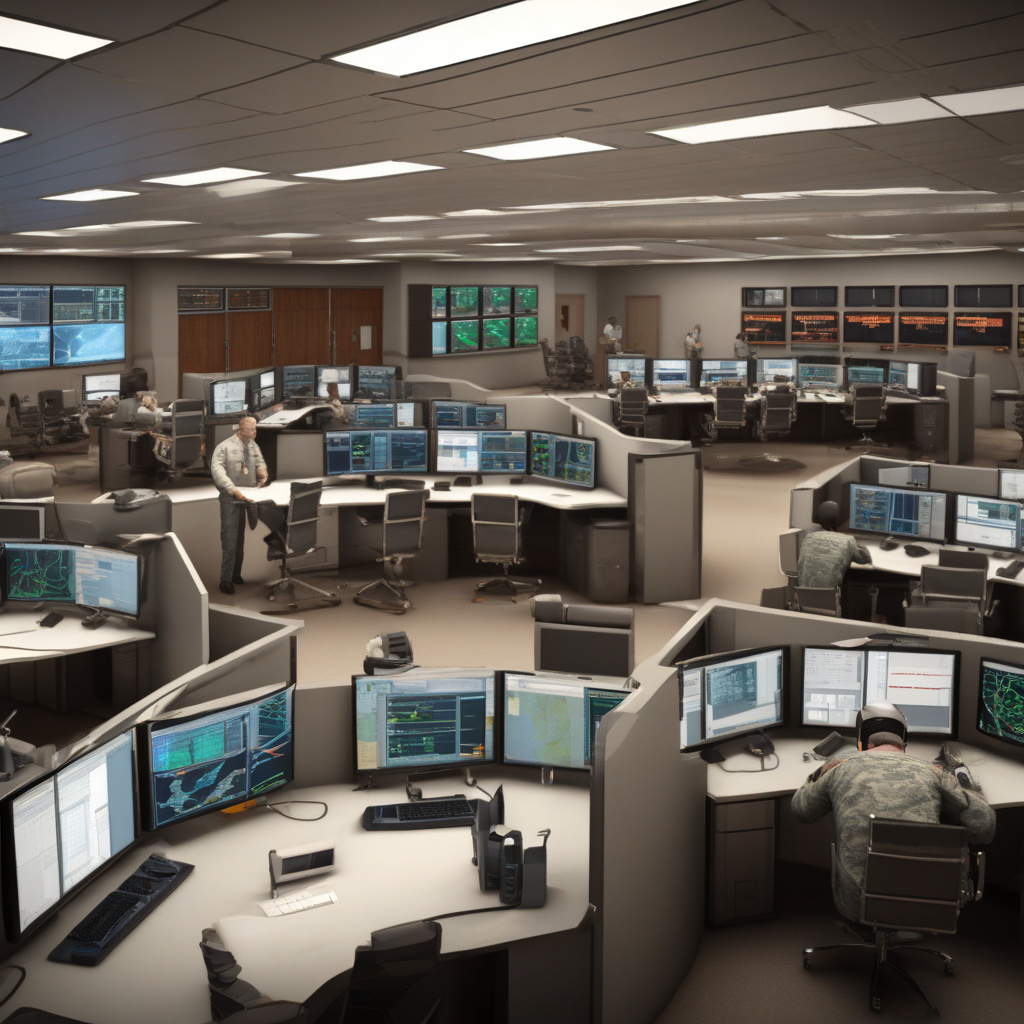
In today’s digital age, the demand for emergency services continues to rise, putting immense pressure on 911 centers nationwide. However, these crucial facilities are facing a staffing crisis, with many struggling to meet the escalating call volumes with limited human resources. To combat this challenge, some 911 centers are now exploring innovative solutions, including the integration of AI technology to augment their operations.
One company at the forefront of this transformation is offering an AI voice assistant specifically designed to support 911 centers in managing non-emergency call traffic. By leveraging artificial intelligence, these centers can offload routine inquiries and administrative tasks, allowing human operators to focus on urgent and life-threatening situations that require immediate attention.
The implementation of AI in 911 centers represents a significant shift in the emergency response landscape. While some may express concerns about the potential drawbacks of relying on technology for such critical services, the reality is that AI can enhance operational efficiency and accuracy when appropriately integrated into existing workflows.
For example, AI voice assistants can quickly gather essential information from callers, such as location details and the nature of the emergency, and route the call to the appropriate personnel. By streamlining this initial triage process, AI helps reduce response times and ensures that emergency resources are allocated effectively.
Moreover, AI technology can also provide valuable support during peak call hours or major incidents when 911 centers experience high call volumes. By supplementing human operators with AI assistants, these centers can maintain smooth operations and deliver prompt assistance to those in need, even during challenging circumstances.
It’s essential to recognize that AI is not intended to replace human responders in 911 centers but rather to complement their capabilities and alleviate some of the burdens associated with escalating call volumes. Human judgment, empathy, and decision-making skills remain irreplaceable in emergency situations, and AI is simply a tool to enhance overall efficiency and effectiveness.
As technology continues to advance, the integration of AI in 911 centers underscores the importance of adaptability and innovation in the field of emergency response. By embracing these technological advancements thoughtfully and strategically, 911 centers can better serve their communities and ensure that help is always just a call away.
In conclusion, the utilization of AI voice assistants in 911 centers represents a promising development in addressing staffing shortages and optimizing emergency response operations. By harnessing the power of artificial intelligence to handle non-emergency calls, these centers can enhance their responsiveness, efficiency, and overall effectiveness in serving the public. As the demand for emergency services continues to grow, embracing AI technology may prove instrumental in meeting the evolving needs of modern-day emergency response systems.