
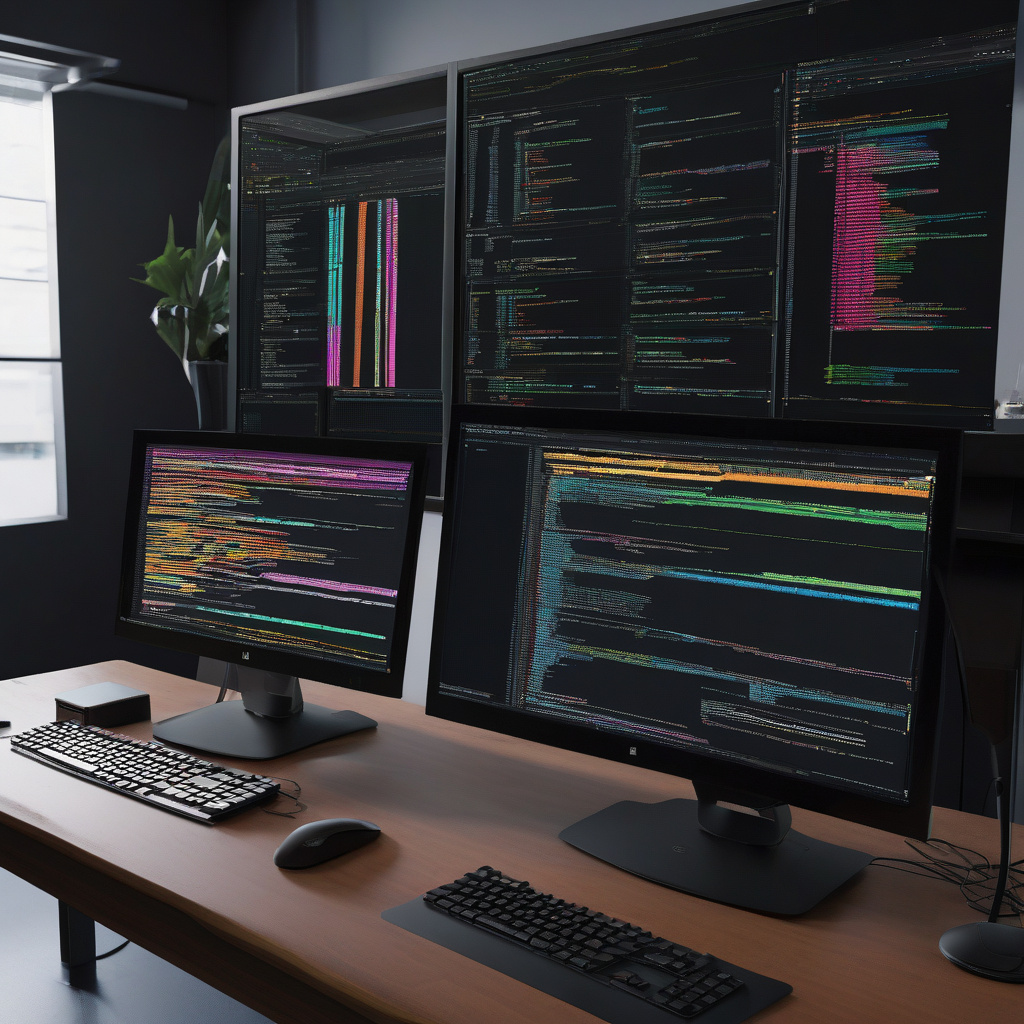
User Interfaces in Agentic CLI Tools: What Developers Need
In the vast realm of software development, Command-Line Interface (CLI) tools serve as the backbone of many projects. These tools, while powerful, often come with a steep learning curve that can be daunting even for seasoned developers. This is where the concept of user interfaces in agentic CLI tools comes into play, offering a more intuitive and efficient way for developers to interact with these essential tools.
Traditionally, CLI tools have been text-based, requiring users to input commands and navigate through various options using complex syntax. While this approach is effective for experienced users, it can pose a significant barrier to entry for newcomers. Agentic CLI tools aim to bridge this gap by incorporating user interfaces that simplify the interaction process.
One key aspect of user interfaces in agentic CLI tools is the incorporation of interactive elements such as menus, prompts, and visual feedback. By providing developers with a more visual and interactive way to engage with CLI tools, these interfaces enhance usability and reduce the cognitive load associated with command-line interactions.
For example, tools like Kubernetes’ kubectl and Docker’s CLI have adopted user-friendly interfaces that allow developers to perform complex operations with minimal effort. Through features like auto-completion, contextual help, and interactive prompts, these tools streamline the user experience and make CLI interactions more accessible to a wider audience.
Moreover, user interfaces in agentic CLI tools can improve productivity by enabling developers to complete tasks more efficiently. By presenting relevant information in a clear and structured manner, these interfaces help users make informed decisions and avoid common errors that can arise from manual input.
Additionally, user interfaces in agentic CLI tools contribute to a more consistent and predictable user experience. By standardizing interactions and providing visual cues, these interfaces ensure that developers can navigate through different CLI tools with ease, regardless of their underlying complexity.
As the demand for CLI tools continues to grow in the software development landscape, the integration of user interfaces becomes increasingly crucial. By prioritizing usability, efficiency, and consistency, agentic CLI tools empower developers to focus on building innovative solutions rather than grappling with cumbersome command-line interfaces.
In conclusion, user interfaces in agentic CLI tools represent a significant advancement in the realm of software development. By combining the power of CLI tools with intuitive and interactive interfaces, developers can enhance their productivity, streamline their workflows, and ultimately deliver better results. Embracing this evolution in CLI tool design is essential for staying competitive in today’s fast-paced development environment.
Image Source: The New Stack
As a seasoned writer at DigitalDigest.net, I understand the importance of user interfaces in agentic CLI tools and how they can benefit developers in their day-to-day work. By incorporating these interfaces into CLI tools, developers can unlock new levels of efficiency and productivity, ultimately leading to better outcomes in their projects.