
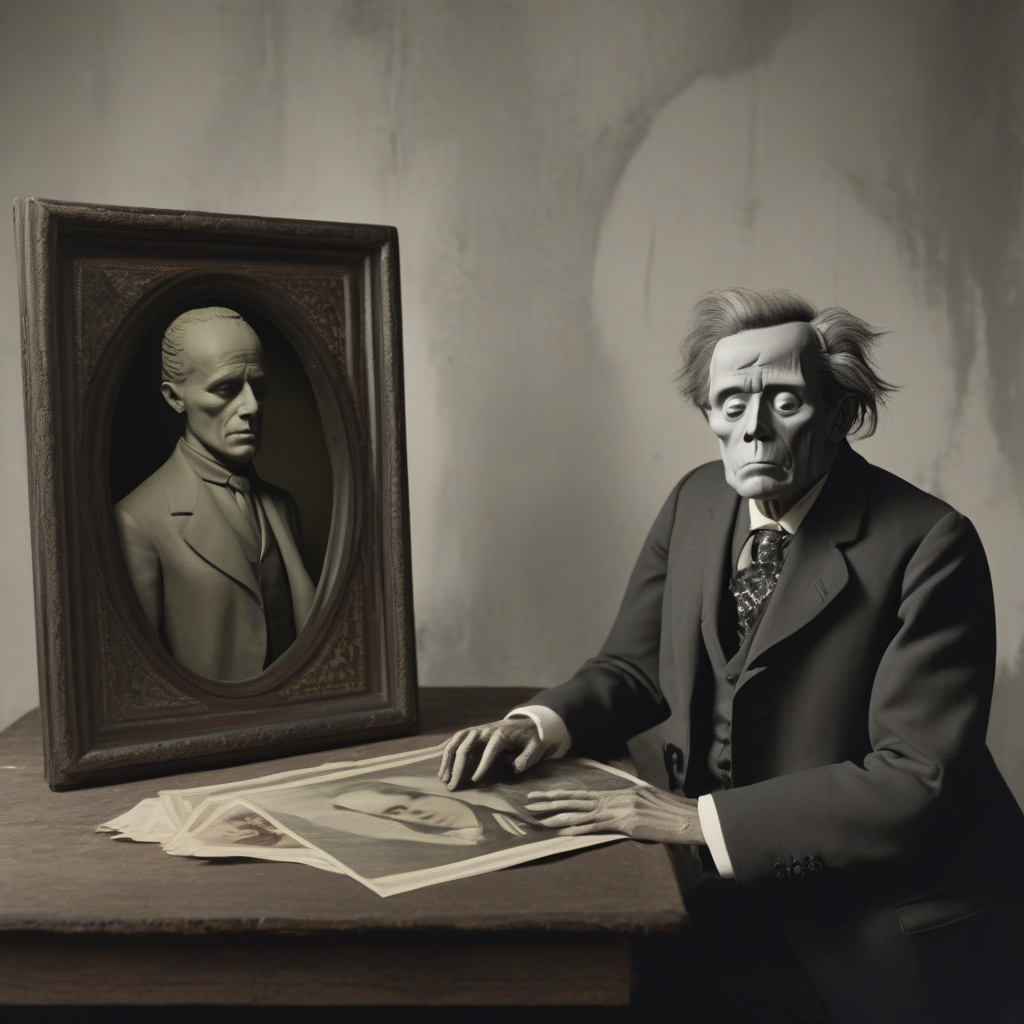
In the realm of technology and digital content creation, a new ethical dilemma has emerged: the rise of deepfake videos involving deceased individuals. While it is true that legal actions such as libel cannot be pursued against the deceased, the moral implications of manipulating their likeness through artificial intelligence (AI) technologies are significant.
Recently, Zelda Williams, the daughter of the late Robin Williams, took to Instagram to express her distress regarding deepfake videos featuring her father. In a heartfelt plea, she wrote, “Please, just stop sending me AI videos of Dad.” This poignant statement sheds light on the emotional toll that deepfake content can take on the loved ones left behind.
Deepfake technology allows individuals to superimpose one person’s face onto another’s body in videos, creating highly realistic but fabricated footage. While this technology has entertainment value and creative potential when used ethically, its misuse can have damaging consequences, especially when it involves deceased individuals.
Creating deepfake videos of the dead raises questions of consent, privacy, and respect for the deceased and their families. It blurs the line between reality and fiction, potentially distorting the legacy and memory of those who have passed away. Moreover, it can inflict emotional pain and reopen wounds for grieving family members, as seen in Zelda Williams’ plea for privacy and sensitivity.
As professionals in the IT and technology fields, it is crucial to consider the ethical implications of our work, particularly when it comes to emerging technologies like deepfakes. While innovation drives progress, we must also uphold ethical standards and moral considerations in our practices. This means exercising caution and responsibility when engaging with technologies that have the power to impact individuals’ lives, even after they have passed away.
Rather than focusing solely on what is legally permissible, we should prioritize what is ethically and morally right. Respecting the dignity and memory of the deceased should guide our decisions and actions in the digital landscape. By being mindful of the potential harm that deepfake videos of the dead can cause, we can strive to create a more compassionate and empathetic online environment.
In conclusion, while it may be true that the deceased cannot be defamed or libeled, their legacy and memory deserve to be treated with reverence and integrity. Let us heed Zelda Williams’ plea and refrain from deepfaking the departed. Instead, let us harness technology for positive purposes that honor the past and inspire a more ethical future in the realm of digital content creation.