
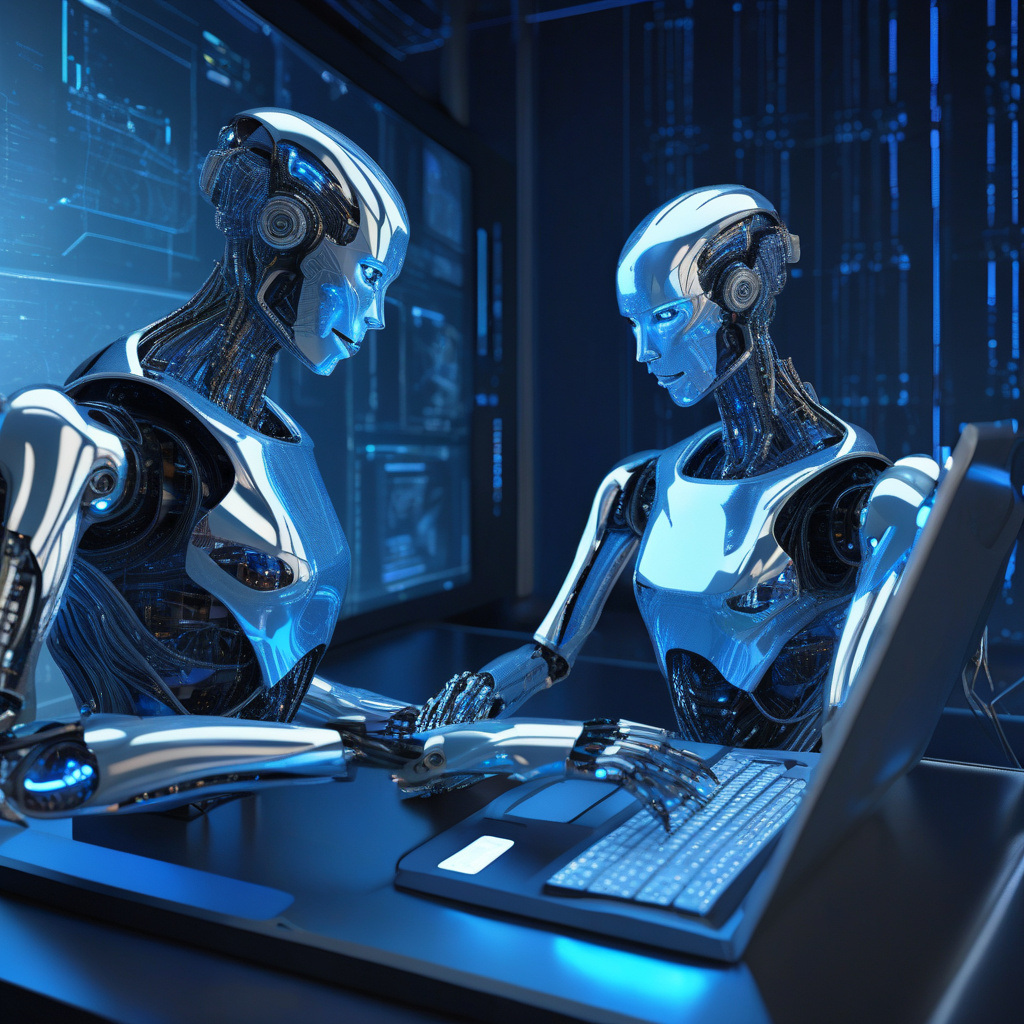
AI Is Testing AI-Generated Code: Should You Trust It?
In the realm of software development, the rise of artificial intelligence has been nothing short of transformative. With more than 30% of software development organizations now utilizing AI to write code, the landscape of programming is undergoing a significant shift. However, as AI becomes increasingly involved in code creation, a crucial question arises: Can AI be trusted to test the very code it generates?
Traditionally, software testing has been a meticulous process carried out by human testers who scrutinize code for bugs, vulnerabilities, and performance issues. Their expertise and critical thinking have long been considered essential for ensuring the quality and reliability of software applications. But now, AI-powered testing tools are emerging, promising faster and more efficient testing processes.
One of the key advantages of AI-driven testing is its ability to analyze vast amounts of code quickly and accurately. AI algorithms can identify patterns, anomalies, and potential issues that human testers might overlook, leading to improved overall code quality. Additionally, AI testing tools can automate repetitive testing tasks, freeing up human testers to focus on more complex and creative aspects of testing.
For example, companies like Diffblue are developing AI systems that can automatically write unit tests for Java code. By analyzing the codebase, these AI tools can generate tests to check the functionality of the code, reducing the burden on human testers and accelerating the testing process. Similarly, companies such as Applitools are leveraging AI to automate visual testing, ensuring consistent user interface across different devices and platforms.
Despite these advancements, the question remains: Should software development teams fully trust AI-generated code for testing purposes? While AI testing tools offer undeniable benefits in terms of speed and efficiency, they are not without limitations. AI algorithms rely on the data they are trained on, which means that biases and inaccuracies in the training data can lead to flawed testing results.
Moreover, AI systems lack the contextual understanding and domain knowledge that human testers possess. They may struggle to interpret complex requirements, edge cases, and user expectations that are crucial for effective testing. As a result, there is a risk that AI-generated tests may not capture all potential issues, leading to gaps in test coverage and potentially releasing flawed software into production.
To address these challenges, software development teams should adopt a balanced approach to AI-driven testing. While AI tools can streamline testing processes and improve efficiency, human testers should still play a critical role in overseeing and validating the testing results. By combining the strengths of AI and human intelligence, organizations can achieve comprehensive test coverage and ensure the quality of their software products.
In conclusion, the integration of AI in software testing represents a significant advancement in the field of software development. While AI-generated code can offer valuable insights and accelerate testing processes, it should not be relied upon as the sole testing mechanism. Trusting AI to test AI-generated code requires a cautious and discerning approach, where human expertise and oversight remain essential for ensuring the reliability and quality of software applications. By striking a balance between AI and human testing capabilities, organizations can harness the full potential of AI in software development while maintaining high standards of quality and reliability.