
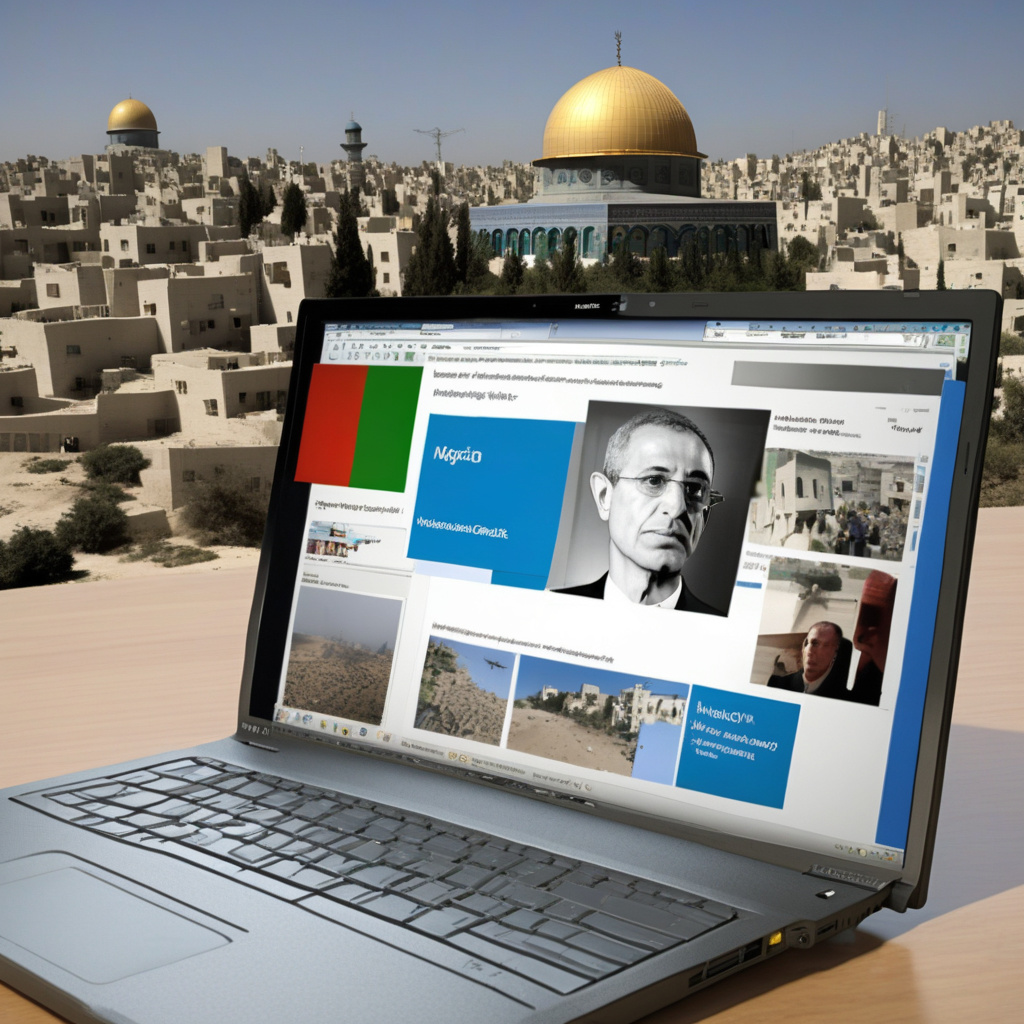
In a recent move that underscores the ethical considerations surrounding technology use in conflict zones, Microsoft made a significant decision to partially sever ties with a unit within the Israeli Ministry of Defence (IMOD). The reason behind this unprecedented move was the unit’s alleged involvement in the mass surveillance of civilians in Gaza using Microsoft technology. This action by Microsoft, spearheaded by Brad Smith, the company’s [position], highlights the growing scrutiny faced by tech giants regarding the ethical ramifications of their products and services.
The decision to halt services to the Israeli defence unit marks a pivotal moment in the tech industry’s stance on human rights violations and surveillance practices. By taking a stand against the misuse of its technology, Microsoft sets a precedent for corporate responsibility in the realm of global conflicts. This move is not only a strategic business decision but also a moral imperative, showcasing the power of technology companies to influence geopolitical dynamics and uphold ethical standards.
This development reverberates beyond the realm of cybersecurity and surveillance; it delves into the heart of corporate social responsibility and ethical leadership in the tech sector. As technology continues to play an increasingly integral role in modern warfare and surveillance practices, it becomes imperative for companies like Microsoft to navigate the complex landscape of international relations and human rights.
The repercussions of Microsoft’s decision are likely to be felt across the tech industry, prompting other companies to reassess their engagements with entities involved in contentious geopolitical issues. This event serves as a reminder that technology companies wield immense power and influence, not only in driving innovation but also in shaping global norms and values. By holding themselves accountable and taking a stand against unethical practices, tech giants can set a positive example for responsible corporate behavior.
As the conversation around the ethical use of technology in conflict zones gains momentum, it is essential for companies to proactively address these concerns and ensure that their products and services are not complicit in human rights abuses. Microsoft’s action sends a clear message that accountability and integrity are paramount, even in the face of complex geopolitical realities. By aligning business interests with ethical principles, tech companies can contribute to a more just and transparent world.
In conclusion, Microsoft’s decision to halt services to an Israeli defence unit involved in mass surveillance in Gaza signifies a pivotal moment in the intersection of technology, ethics, and global conflicts. This bold move not only showcases corporate responsibility but also underscores the role of tech companies in upholding human rights and ethical standards. As the tech industry grapples with its influence on international affairs, actions like these serve as a beacon of ethical leadership and a call to prioritize values over profits.