
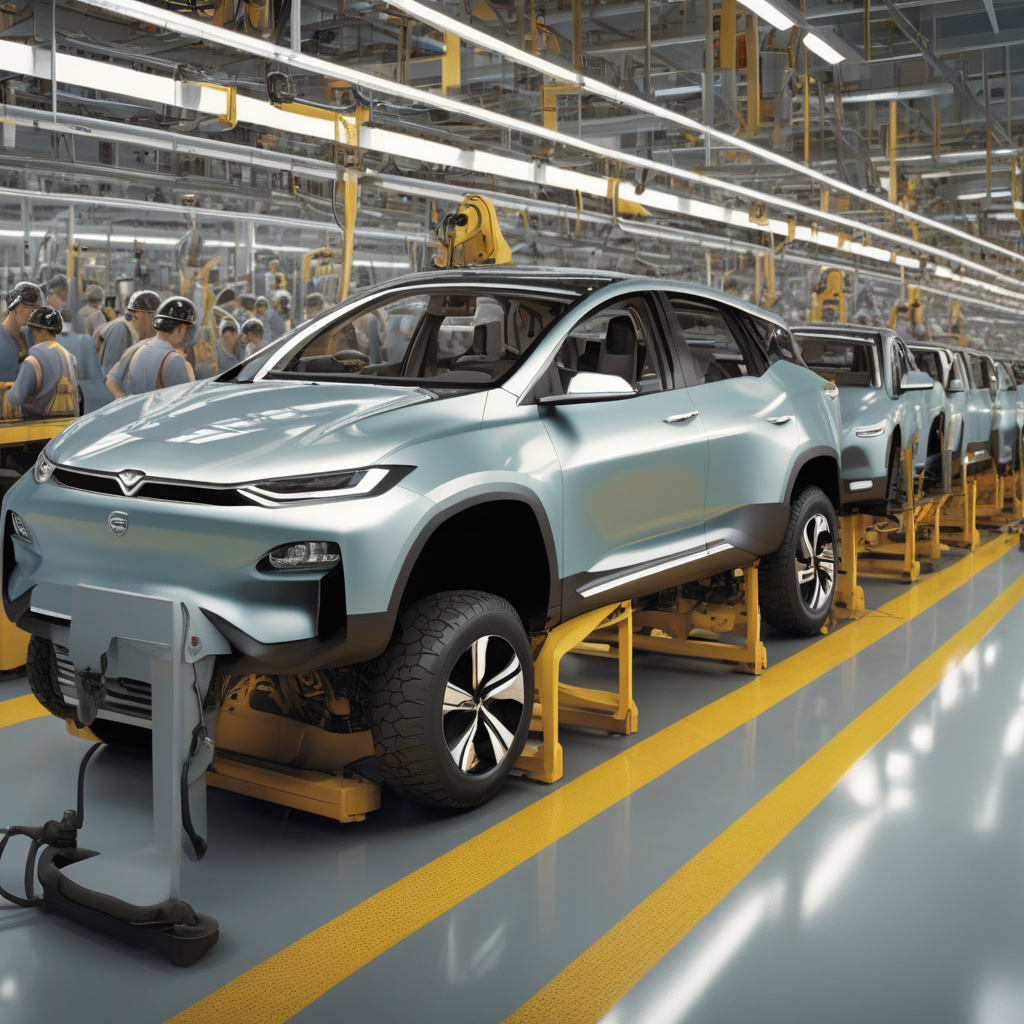
General Motors (GM) has recently made headlines with its decision to cut thousands of electric vehicle (EV) and battery factory workers. This move comes as part of a broader trend of downsizing within the company, with plans to idle two battery factories during the first half of 2026. These developments have sparked discussions within the automotive industry and among stakeholders about the implications of such workforce reductions.
The decision to cut thousands of EV and battery factory workers is significant not only for the individuals directly impacted but also for the industry at large. As GM navigates a rapidly evolving market landscape and adjusts its production strategy to meet changing consumer demands, workforce restructuring has become a necessary albeit challenging aspect of its operations. By idling two battery factories, GM is signaling a shift in its priorities and a reevaluation of its manufacturing footprint in response to market dynamics.
In the context of the growing emphasis on sustainability and the transition to electric vehicles, GM’s workforce cuts raise questions about the company’s long-term vision and commitment to innovation. As competition in the EV market intensifies and technological advancements drive rapid changes in the automotive sector, companies like GM face pressure to adapt quickly and efficiently. While restructuring efforts may help streamline operations and optimize efficiency, they also raise concerns about the impact on employees and communities that rely on these manufacturing facilities for jobs and economic stability.
The idling of two battery factories by GM underscores the complex interplay between technological progress, market forces, and workforce dynamics in the automotive industry. As companies strive to stay ahead of the curve and position themselves for success in an increasingly competitive environment, tough decisions regarding workforce size and production capacity are sometimes inevitable. However, it is crucial for companies to approach such changes thoughtfully and responsibly, taking into account the broader implications for employees, suppliers, and local economies.
In conclusion, GM’s decision to cut thousands of EV and battery factory workers reflects the company’s ongoing efforts to adapt to a rapidly changing industry landscape. While workforce reductions and factory idlings may be necessary steps in optimizing operations and aligning with market trends, it is essential for companies to consider the human impact of such decisions. As the automotive sector continues to evolve, finding a balance between innovation, efficiency, and social responsibility will be key to long-term success in the industry.