
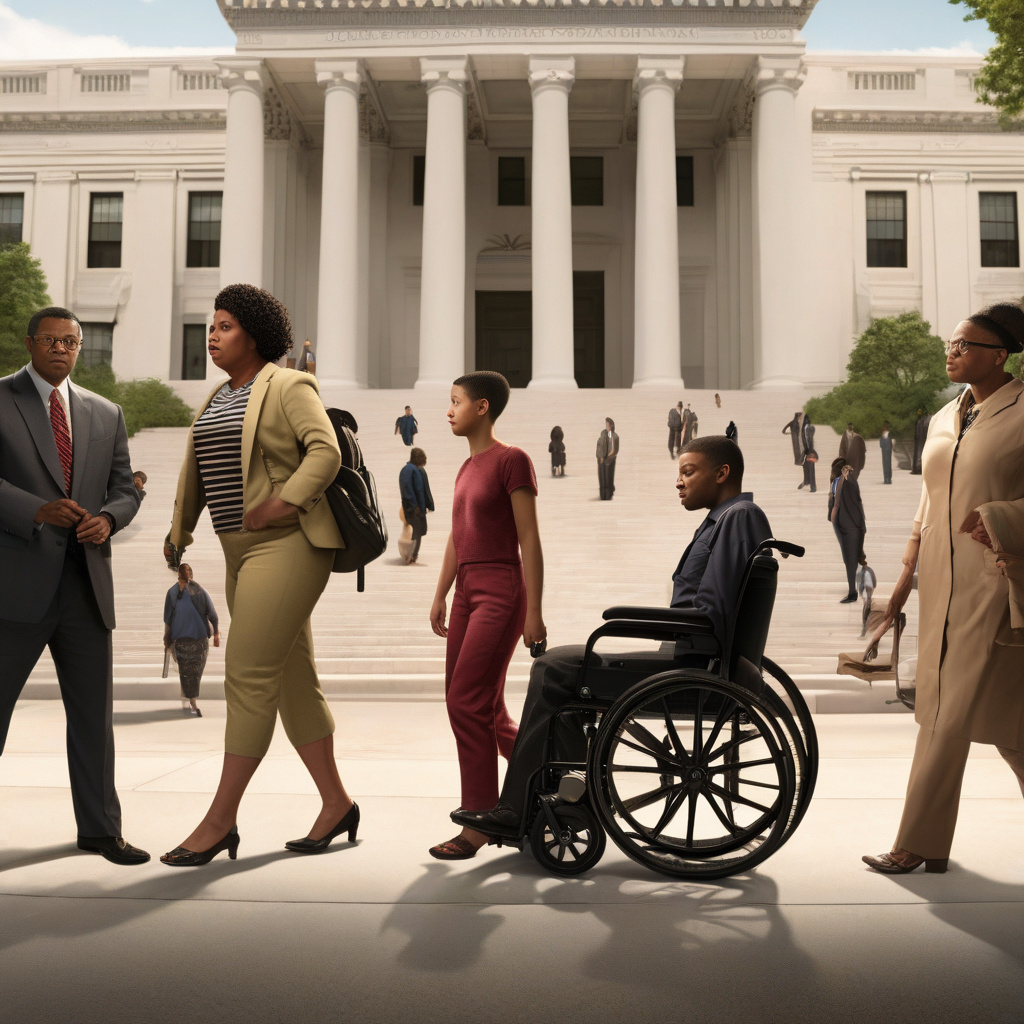
Title: The Justice Department Takes on Uber: Addressing Alleged Discrimination Against People with Disabilities
The recent lawsuit filed by the Justice Department against Uber marks another significant chapter in the ongoing scrutiny of the ride-sharing giant’s treatment of individuals with physical disabilities. This legal action underscores a critical issue that extends far beyond a single company’s practices, highlighting the broader challenges faced by people with disabilities in accessing essential services.
Uber, a prominent player in the transportation industry, has faced a barrage of criticism regarding its alleged discriminatory practices towards individuals with disabilities. From inaccessible vehicles to drivers refusing service to passengers with mobility aids, the company’s track record in accommodating diverse needs has been marred by numerous incidents.
The Justice Department’s decision to intervene in this matter signals a pivotal moment in holding companies accountable for ensuring equal access and fair treatment for all individuals, regardless of their physical abilities. By taking legal action against Uber, the government is sending a clear message that discrimination against people with disabilities will not be tolerated in any form.
This lawsuit against Uber serves as a potent reminder of the importance of upholding the rights of individuals with disabilities in all facets of society, including the digital realm. As technology continues to shape our daily lives, it is imperative that companies like Uber prioritize inclusivity and accessibility in their services to create a more equitable and inclusive environment for all.
At the same time, this legal battle sheds light on the broader issue of systemic barriers that individuals with disabilities encounter on a daily basis. Beyond the realm of transportation, the fight for equal rights and opportunities extends to employment, education, healthcare, and various other aspects of life where inclusivity is crucial.
In response to this lawsuit, Uber has the opportunity to reassess its policies, procedures, and training programs to ensure that individuals with disabilities are not only accommodated but also treated with the respect and dignity they deserve. By proactively addressing these concerns, Uber can set a positive example for the entire industry and pave the way for a more inclusive future.
As professionals in the IT and development fields, we have a unique role to play in advancing accessibility standards and promoting inclusive design practices. By incorporating features such as screen readers, voice commands, and alternative input methods into our software and applications, we can help bridge the digital divide and empower individuals with disabilities to fully participate in the digital landscape.
In conclusion, the Justice Department’s lawsuit against Uber serves as a wake-up call for companies to prioritize accessibility, inclusivity, and equal treatment for individuals with disabilities. By championing these values, we can create a more just and equitable society where everyone has the opportunity to thrive and succeed, regardless of their physical abilities. Let us seize this moment to drive positive change and build a future where diversity is not only accepted but celebrated in all its forms.