
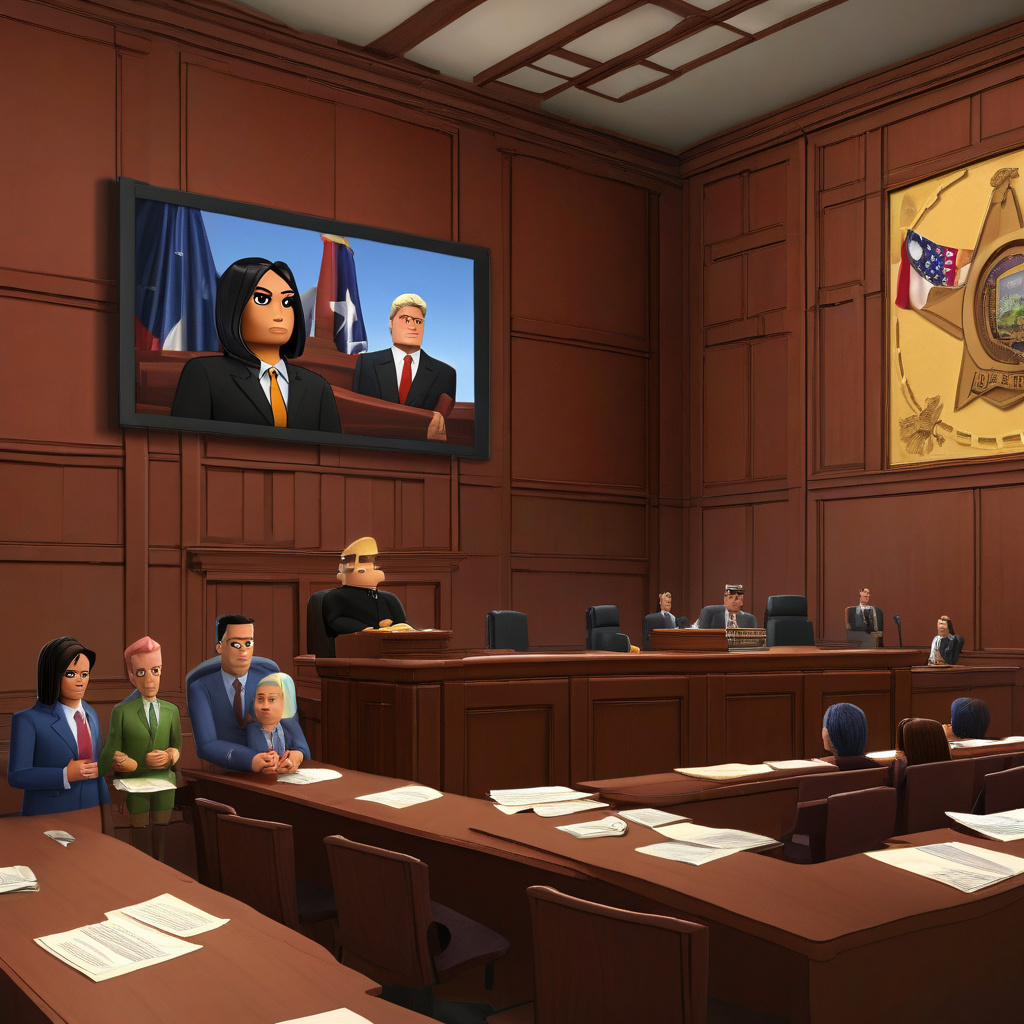
In a surprising turn of events, Texas Attorney General Ken Paxton recently made headlines by filing a lawsuit against the popular online gaming platform, Roblox. The accusation? Prioritizing what Paxton termed as “pixel pedophiles” over child safety. This bold move has sparked intense discussions within the tech community, shedding light on the complex intersection of online safety, gaming platforms, and parental concerns.
At the core of Paxton’s lawsuit lies the assertion that Roblox has been less than transparent about the potential risks its platform poses to young users. By allegedly downplaying the presence of individuals with malicious intent, commonly referred to as “pixel pedophiles,” Roblox may have inadvertently exposed children to unsafe interactions within its virtual environment. This raises crucial questions about how online platforms balance user engagement with robust safety measures, especially when catering to a predominantly young audience.
Roblox, known for its user-generated content and immersive gameplay experiences, has garnered a massive following among children and teenagers worldwide. The platform’s appeal lies in its creative potential, allowing users to design their own games and interact with others in a shared virtual space. However, this open-ended nature also presents challenges in terms of monitoring and regulating user behavior, particularly when it comes to ensuring a safe environment for minors.
Child safety on online platforms has been a growing concern in recent years, with regulators and advocacy groups calling for stricter measures to protect young users from potential harm. The lawsuit filed by Paxton against Roblox underscores the need for platforms to not only implement robust safety features but also educate parents and guardians about the risks associated with online interactions. By holding companies accountable for safeguarding minors in digital spaces, authorities aim to create a safer online ecosystem for the next generation of internet users.
As the case unfolds, it serves as a stark reminder of the evolving landscape of online safety and the shared responsibility of tech companies, regulators, and users in ensuring a secure digital environment. While platforms like Roblox offer unparalleled opportunities for creativity and social interaction, they also carry inherent risks that must be addressed proactively. By striking a delicate balance between innovation and safety, online platforms can empower users to explore, create, and connect without compromising their well-being.
In the wake of the lawsuit against Roblox, industry stakeholders are likely to reassess their approach to child safety and privacy, setting new standards for transparency and accountability in the digital realm. As technology continues to reshape the way we play, learn, and communicate, it becomes imperative to prioritize the protection of vulnerable users, especially minors, from potential online threats. By fostering a culture of vigilance and responsibility, we can build a safer and more inclusive internet for all.
In conclusion, the legal action taken by Texas Attorney General Ken Paxton against Roblox sends a clear message to the tech industry: safeguarding children online is not just a moral imperative but a legal obligation. As we navigate the complexities of digital platforms and virtual communities, let us strive to create a digital world where safety, creativity, and innovation coexist harmoniously. The outcome of this lawsuit may well shape the future of online safety standards, paving the way for a more secure online environment for users of all ages.