
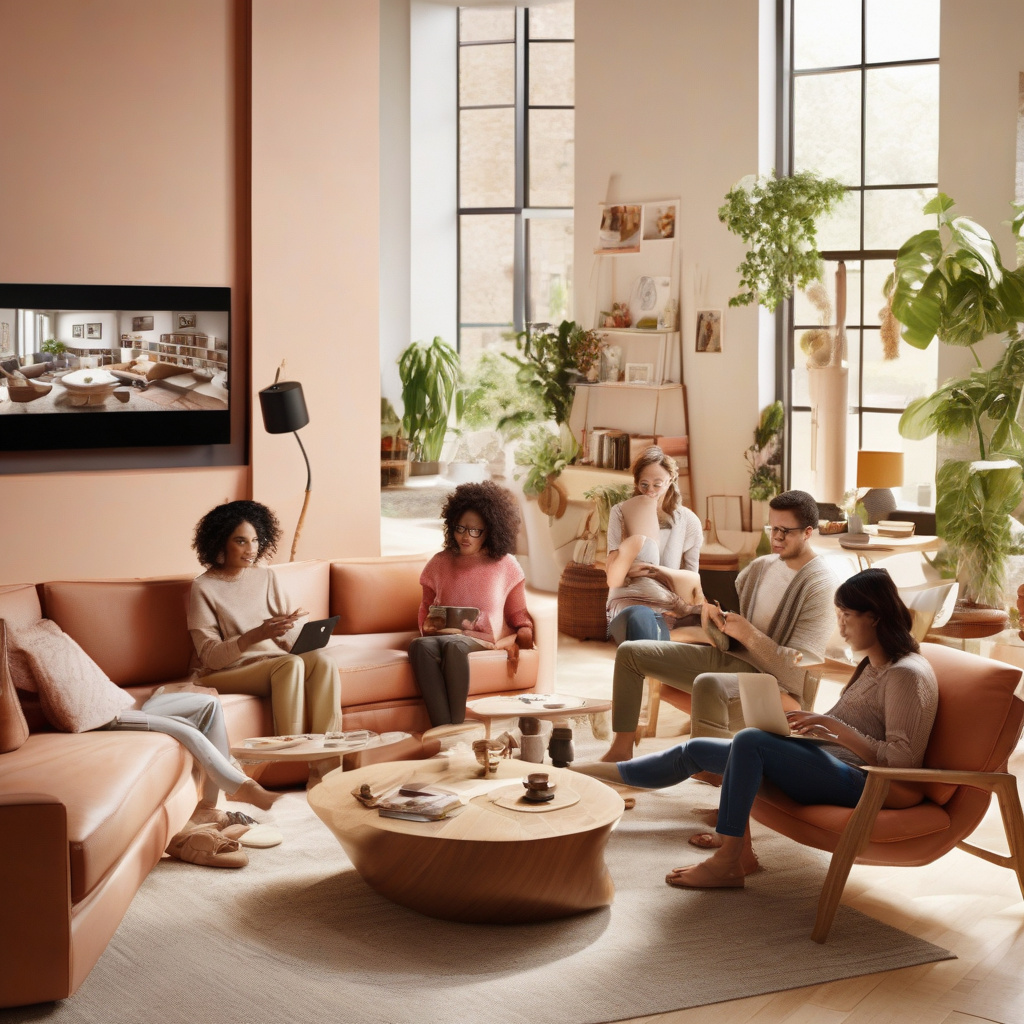
In a world where screens dominate our daily lives, a recent move by The Princess of Wales has ignited a crucial conversation. The royal figure’s actions have brought to light the excessive amount of time both adults and children spend fixated on screens. This revelation has not only caught the attention of the public but has also spurred researchers to delve deeper into the implications of our screen-centric lifestyles.
The shift towards embracing screen-free technology is gaining momentum, transcending from a niche preference to a mainstream movement. Individuals and families are increasingly seeking alternatives that reduce screen time without compromising on productivity or entertainment. This trend is not just a passing fad but a conscious choice driven by a growing awareness of the potential consequences of excessive screen use.
One of the key reasons behind this transition is the detrimental impact of prolonged screen exposure on our physical and mental well-being. From eye strain and disrupted sleep patterns to decreased social interactions and diminished cognitive abilities, the effects of excessive screen time are well-documented. As a result, both individuals and organizations are recognizing the importance of striking a balance and incorporating screen-free tech solutions into their daily routines.
Moreover, the allure of screen-free technology lies in its ability to foster creativity, improve focus, and promote meaningful connections. By stepping away from the constant barrage of notifications and digital distractions, individuals can tap into their creativity, engage in deep work, and cultivate more meaningful relationships. This shift towards mindfulness and intentionality is driving the demand for tech products that enable users to disconnect without feeling disconnected from the world around them.
From e-readers that mimic the experience of reading a physical book to smartwatches that prioritize essential notifications over endless scrolling, screen-free tech is redefining the way we interact with technology. By offering a more balanced and mindful approach to digital consumption, these innovations empower users to harness the benefits of technology without falling prey to its pitfalls. This shift is not about abandoning screens altogether but about using technology in a way that enhances our lives rather than detracting from it.
As we navigate an increasingly digital world, the rise of screen-free technology presents a compelling opportunity to recalibrate our relationship with technology. By embracing solutions that prioritize human well-being and mindful usage, we can cultivate a healthier and more sustainable digital lifestyle. The journey from royals to researchers signifies a broader societal shift towards reevaluating our dependence on screens and embracing a more intentional approach to technology usage.
In conclusion, the growing popularity of screen-free tech is a testament to our collective desire for a more balanced and fulfilling digital experience. By drawing inspiration from both royal figures and research findings, we can pave the way for a future where technology enhances our lives without overshadowing them. This transition marks a significant milestone in our evolving relationship with technology, one that prioritizes human well-being and mindful interaction in a screen-saturated world.