
The Impact of Artificial Intelligence on UK Policing
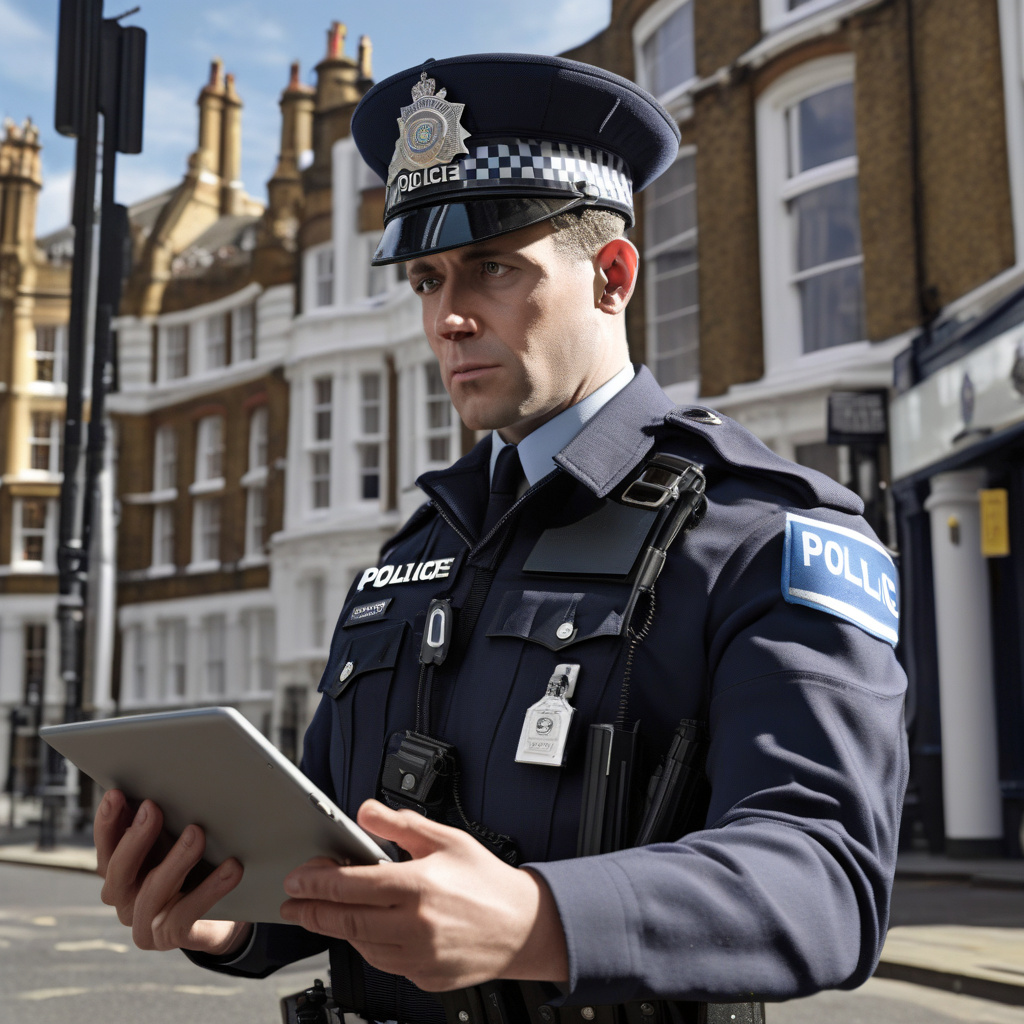
In the realm of law enforcement, the adoption of Artificial Intelligence (AI) is reshaping policing practices across the United Kingdom. The National Police Chiefs’ Council recognizes the potential of AI in revolutionizing how law enforcement agencies operate. This technology is not just a futuristic concept but a tangible force driving significant changes in the field of policing.
One prominent way AI is transforming UK policing is through predictive analytics. By analyzing large volumes of data, AI algorithms can identify patterns and trends that humans might overlook. This capability allows law enforcement to anticipate criminal activity, allocate resources more effectively, and ultimately prevent crimes before they occur. For example, the West Midlands Police in the UK have utilized predictive policing models to target areas with a high likelihood of crime, leading to a notable reduction in offenses.
Moreover, AI-powered facial recognition technology is enhancing the identification and tracking of suspects. This tool enables police forces to quickly match faces captured on surveillance cameras with criminal databases, aiding in the apprehension of individuals involved in illegal activities. The London Metropolitan Police Service has successfully employed facial recognition technology in crowded public spaces to locate wanted individuals and enhance public safety.
In addition to predictive analytics and facial recognition, AI is streamlining investigative processes within UK police departments. Through natural language processing and machine learning algorithms, AI can sift through vast amounts of digital evidence, such as text messages, emails, and social media posts, to extract crucial information for investigations. This automation accelerates the analysis of evidence, helping law enforcement agencies solve cases more efficiently.
Furthermore, AI is playing a pivotal role in enhancing operational efficiency for UK police forces. Chatbots powered by AI are being deployed to handle routine inquiries from the public, freeing up human officers to focus on more complex tasks. These virtual assistants can provide information on crime prevention tips, report filing procedures, and general inquiries, offering citizens a convenient and accessible way to interact with law enforcement agencies.
Despite the numerous benefits AI brings to UK policing, its implementation also raises ethical and privacy concerns. The use of facial recognition technology, for instance, has sparked debates around surveillance practices and individual rights. Striking a balance between leveraging AI for crime prevention and safeguarding civil liberties remains a critical challenge for law enforcement agencies and policymakers.
In conclusion, artificial intelligence is undeniably transforming the landscape of UK policing. From predictive analytics to facial recognition and operational efficiency, AI is empowering police forces to operate more effectively and proactively combat crime. As technology continues to evolve, it is imperative for stakeholders to navigate the ethical implications of AI adoption in policing and ensure that these advancements serve the interests of both public safety and individual rights.
—
Keywords: artificial intelligence, UK policing, predictive analytics, facial recognition, investigative processes, operational efficiency, ethical concerns, privacy, law enforcement agencies, technology evolution
链接: How Is Artificial Intelligence Changing UK Policing?