
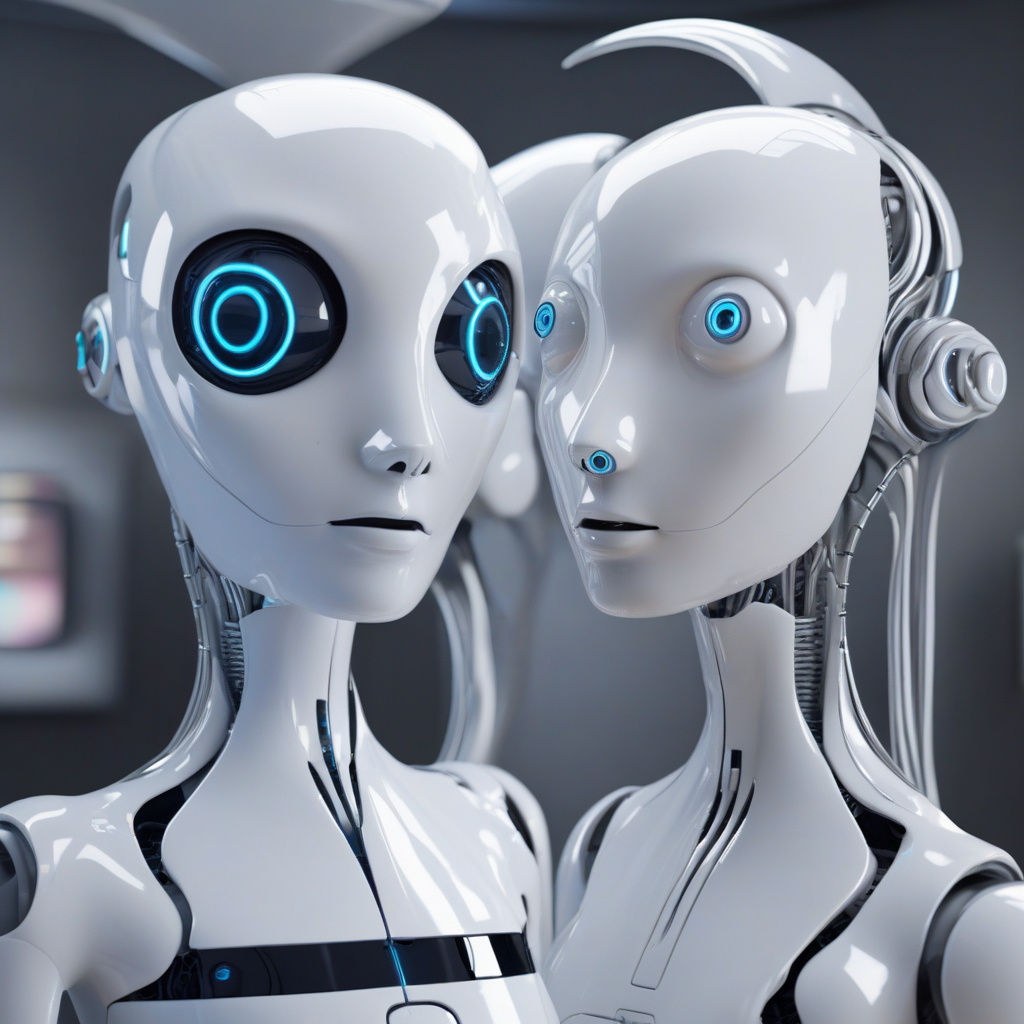
In the vast landscape of technological advancements, Microsoft has once again captured the attention of many with the introduction of “Mico.” This new animated avatar serves as the face of the Copilot AI, reminiscent of the beloved (or perhaps not so beloved) Clippy from days past. Microsoft’s choice to bring back a similar concept demonstrates a strategic nod to nostalgia while embracing the modern era of AI technology.
The concept of using an animated character to represent AI is not entirely new. However, Microsoft’s decision to revive this approach with Mico for its Copilot AI is intriguing. By embodying Copilot with a customizable and expressive blob, Microsoft aims to create a more engaging and user-friendly interaction for its users. This move reflects a deeper understanding of the human aspect of technology, acknowledging that users often respond positively to personified interfaces.
Mico’s resemblance to Clippy, the iconic virtual assistant from Microsoft Office, adds a layer of familiarity for those who have been long-time users of Microsoft products. While Clippy may have received mixed reviews in the past, its legacy endures, making it a clever choice for inspiration in this AI-driven era. By infusing Mico with the essence of Clippy, Microsoft is leveraging a sense of nostalgia to bridge the gap between the past and the present, creating a sense of continuity for users.
The customizable nature of Mico allows users to tailor their interactions with Copilot AI, making the experience more personalized and engaging. This level of customization not only enhances user experience but also underscores Microsoft’s commitment to user-centric design. By giving users the ability to choose how they interact with Copilot, Microsoft empowers individuals to make technology work for them in a way that is both functional and enjoyable.
Furthermore, Mico’s expressive qualities add a human touch to interactions with Copilot AI. In a world where technology can sometimes feel impersonal, the presence of a friendly and emotive avatar can make interactions more relatable and intuitive. Mico’s animations and facial expressions have the potential to convey information and emotions in a way that transcends traditional text-based interactions, enhancing communication between users and AI.
Overall, Microsoft’s introduction of Mico as the animated avatar for Copilot AI signifies a thoughtful blend of innovation and nostalgia. By tapping into the legacy of Clippy while embracing the advancements of AI technology, Microsoft has created a unique and engaging interface that resonates with users. Mico’s customizable features and expressive design not only enhance user experience but also reflect Microsoft’s commitment to human-centered design in the ever-evolving landscape of technology.