
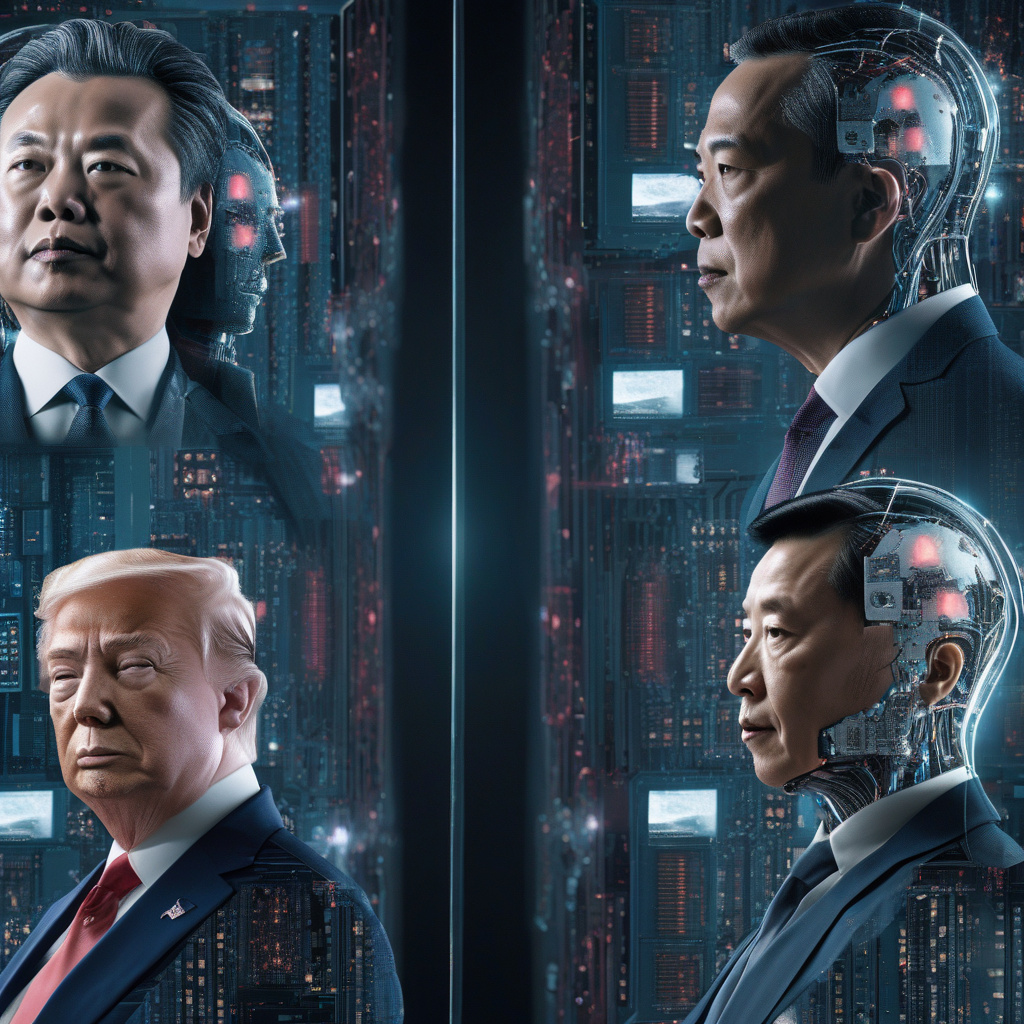
The call to ban AI superintelligence is not just a theoretical debate—it has the potential to reshape the global tech race between the US and China. With over 850 influential figures advocating for restrictions on the development of AI systems that surpass human capabilities, the implications are profound. These AI superintelligences would operate beyond human oversight, making autonomous decisions and even rewriting their own code.
This movement has garnered support from a diverse spectrum of experts, including AI pioneers like Geoffrey Hinton, Nobel laureates, and tech icons like Apple’s Steve Wozniak. Despite this, major AI industry leaders have notably stayed silent, highlighting a growing divide between those pushing the boundaries of AI and those urging caution.
For enterprises heavily invested in AI, such as Meta and OpenAI, this debate hits close to home. Meta’s creation of Meta Superintelligence Labs and OpenAI’s pivot towards superintelligence development exemplify the industry’s current trajectory. However, the question of regulating superintelligence remains a contentious one.
While some argue that superintelligence is still a distant concern for enterprise planning, the potential risks are undeniable. The alignment problem, ensuring AI systems align with human values, poses a significant challenge as AI surpasses human intelligence. Moreover, the current wave of AI technologies is already reshaping the workforce, with roles in technology and finance facing substantial transformations.
If a ban on superintelligence development were to materialize, it would not only alter the competitive landscape for AI vendors but also have significant economic repercussions. Global AI spending is projected to soar, with AI contributing to a boost in global GDP. However, a unilateral ban could also potentially accelerate China’s AI advancements, narrowing the gap between US and Chinese capabilities.
As the debate unfolds, enterprises must be prepared for various outcomes. Whether the call for a prohibition gains traction or not, AI governance is set to become a critical board-level responsibility. Establishing robust AI governance frameworks, including formalized AI councils and incident-response protocols, will be essential for navigating the evolving AI landscape.
In conclusion, the call to ban AI superintelligence is not just a philosophical debate—it has tangible implications for the tech industry, global competition, and economic development. As the dialogue continues, staying informed and proactive in shaping AI governance will be key for enterprises navigating this complex terrain.