Tag: database technologies

  • 2 Fixes Vastly Cut TiKV Write Stalls From SST File Ingestion

    Title: Enhancing TiKV Performance: Solutions to Reduce Write Stalls During SST File Ingestion

    In the realm of modern database management, TiKV stands out as a robust, distributed, and transactional key-value database solution. As applications scale and performance demands soar, encountering unexpected spikes in write latency can be a significant roadblock to seamless operations. The recent insights shared in the article “2 Fixes Vastly Cut TiKV Write Stalls From SST File Ingestion” shed light on crucial strategies to mitigate these challenges effectively.

    One key solution highlighted in the article revolves around optimizing the SST file ingestion process. By fine-tuning this critical aspect of TiKV’s functionality, developers can significantly reduce the occurrence of write stalls that hamper system performance. This fix addresses a fundamental operational bottleneck, ensuring that data ingestion remains efficient even under heavy workloads.

    Furthermore, the implementation of advanced algorithms to manage write stalls demonstrates a proactive approach to enhancing TiKV’s overall performance. By leveraging intelligent strategies to handle SST file ingestion more effectively, developers can minimize disruptions caused by write stalls, thereby improving the database’s responsiveness and reliability.

    These innovative fixes not only streamline TiKV’s operations but also exemplify the continuous evolution and refinement of database technologies to meet the escalating demands of modern applications. In a landscape where microseconds of delay can impact user experience and business outcomes, optimizing write performance is paramount for ensuring seamless operations and maintaining a competitive edge.

    By embracing these solutions and staying abreast of emerging trends in database management, IT professionals can elevate their organizations’ capabilities and deliver exceptional user experiences. The relentless pursuit of efficiency and performance optimization underscores the ethos of innovation that drives the evolution of database technologies like TiKV.

    In conclusion, the insights shared in the article underscore the critical importance of addressing write stalls during SST file ingestion to enhance TiKV’s performance. By implementing these fixes and embracing a proactive approach to database management, organizations can navigate the complexities of modern applications with agility and precision. As the digital landscape continues to evolve, staying ahead of performance challenges is key to unlocking the full potential of database technologies like TiKV.
  • MySQL AI Introduced for Enterprise Edition

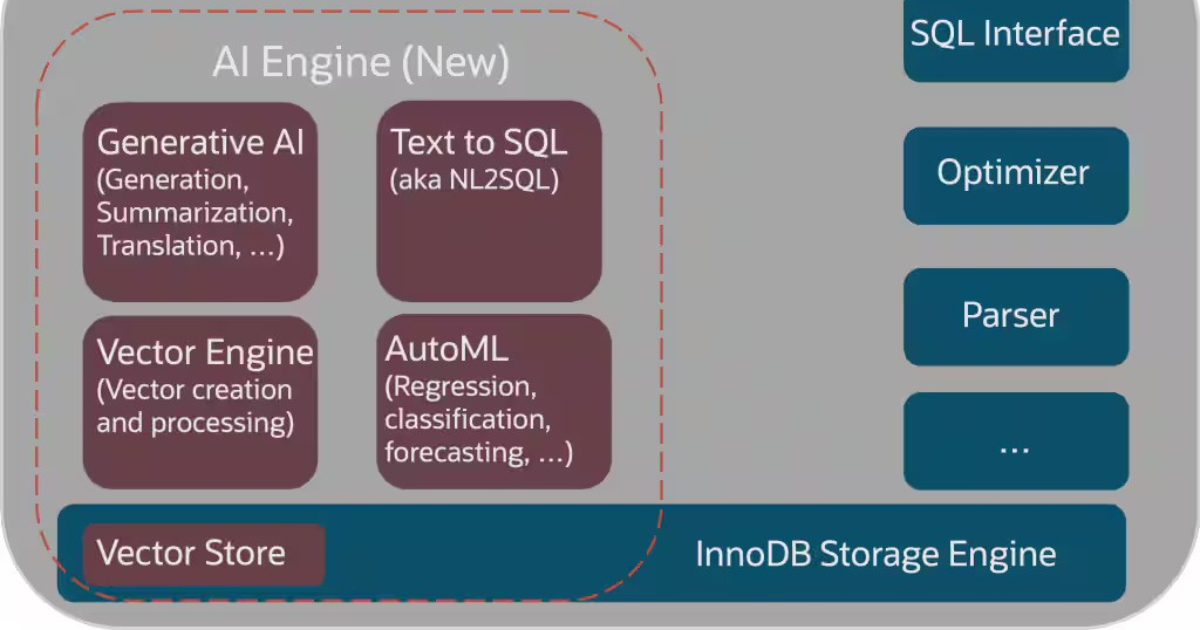
    In a move that is both exciting and concerning for MySQL users, Oracle has unveiled MySQL AI, a groundbreaking suite of AI-driven features tailored for the MySQL Enterprise edition. This strategic development is specifically designed to enhance the performance of analytics and AI workloads within extensive deployments, marking a significant leap forward in the database management realm.

    The introduction of MySQL AI underscores Oracle’s commitment to innovation and its recognition of the growing significance of artificial intelligence in database operations. By integrating AI capabilities into MySQL Enterprise, Oracle aims to empower organizations to extract deeper insights, optimize processes, and drive tangible business outcomes through advanced analytics.

    However, this announcement has sparked apprehension within the MySQL community, particularly among users of the widely embraced Community edition. Concerns have been raised regarding the future trajectory of the Community edition, with apprehensions revolving around potential vendor lock-in and uncertainties following recent internal restructuring within Oracle.

    While the allure of AI-powered functionalities in MySQL Enterprise is undeniable, it is essential for users to carefully consider the implications of this development on their current and future database management strategies. The availability of AI exclusively in the Enterprise edition may prompt organizations to reevaluate their licensing decisions and assess the long-term viability of their chosen MySQL deployment.

    Moreover, the apprehensions surrounding vendor lock-in emphasize the importance of maintaining flexibility and adaptability in database solutions. As organizations navigate the evolving landscape of database technologies, it becomes imperative to strike a balance between leveraging cutting-edge innovations and preserving the autonomy to pivot as needed.

    In light of these developments, users of MySQL are urged to stay informed, engage in proactive discussions within the community, and assess their individual requirements to make informed decisions regarding their database infrastructure. While MySQL AI introduces compelling possibilities for enhanced performance and efficiency, it also prompts a reflective examination of the broader implications for users across different editions.

    As Oracle continues to drive innovation in the database domain with MySQL AI, the onus lies on users to navigate these advancements thoughtfully, weighing the benefits against potential challenges posed by evolving product offerings and industry dynamics. By staying attuned to the evolving landscape of database technologies and engaging in strategic dialogues, users can navigate this period of transformation with resilience and foresight.

    In conclusion, the introduction of MySQL AI for the Enterprise edition marks a significant milestone in the evolution of MySQL, offering advanced capabilities to address the demands of analytics and AI workloads at scale. While this development signals a promising leap forward in database management, it also prompts a critical reflection on the implications for users across different editions and underscores the importance of strategic decision-making in navigating the evolving database landscape.

  • Instacart Consolidates Search Infrastructure on Postgresql, Phasing Out Elasticsearch

    In a significant move that has caught the attention of tech enthusiasts, Instacart has recently overhauled its search infrastructure. The company made a bold decision to transition from Elasticsearch to PostgreSQL, merging lexical and embedding-based retrieval capabilities within a single database engine. This strategic shift was primarily fueled by the challenges associated with managing distinct systems for search and transactional tasks.

    Elasticsearch, a popular choice for search functionality due to its speed and scalability, was once the cornerstone of Instacart’s search infrastructure. However, the company recognized the mounting costs and complexities of maintaining separate systems. By consolidating on PostgreSQL, Instacart aimed to streamline operations, slash overheads, and enhance the accuracy of search outcomes.

    This migration signifies a broader industry trend where organizations are reevaluating their technology stack to achieve operational efficiencies and cost savings. Instacart’s decision to pivot towards PostgreSQL underscores the growing importance of simplification and consolidation in modern IT architectures. By unifying search and transactional workloads on a single platform, the company is poised to unlock a host of benefits, ranging from improved performance to streamlined management.

    The shift from Elasticsearch to PostgreSQL represents a strategic evolution in Instacart’s technological roadmap. It showcases a forward-thinking approach to optimizing search capabilities while aligning with broader business objectives. This transition underscores the critical role of adaptability and innovation in navigating the ever-evolving landscape of digital commerce.

    In essence, Instacart’s move to consolidate its search infrastructure on PostgreSQL marks a pivotal moment in the company’s technological evolution. By embracing this change, Instacart is not only enhancing its operational efficiency but also setting a precedent for leveraging database technologies to drive business growth. As the tech industry continues to witness rapid transformations, such proactive initiatives will undoubtedly position companies like Instacart for sustained success in the digital age.

    As IT and development professionals, it’s crucial to stay attuned to these industry shifts and innovations. Instacart’s bold step serves as a compelling case study on the strategic realignment of technology infrastructure to meet evolving business needs. By studying such transitions, professionals can glean valuable insights into best practices and emerging trends shaping the future of IT landscapes.

    In conclusion, Instacart’s decision to consolidate its search infrastructure on PostgreSQL while phasing out Elasticsearch highlights the transformative power of rethinking technology stack configurations. This strategic maneuver underscores the importance of agility, efficiency, and innovation in propelling organizations towards sustained growth and competitiveness in an increasingly digital world.

  • Testing the MongoDB MCP Server Using SingleStore Kai

    MongoDB’s latest unveil, the official MCP Server in its preliminary 0.1.0 iteration, sparks curiosity among tech enthusiasts. This article delves into testing this nascent version by pitting it against SingleStore Kai. SingleStore Kai, a MongoDB-compatible API crafted by SingleStore, facilitates seamless transition for MongoDB-based applications onto the SingleStore platform, requiring minimal adjustments. To put the MongoDB MCP Server through its paces, we will leverage a handy tool named MCPHost, readily available for configuration and testing.

    In the realm of cutting-edge tech experiments, the interaction between MongoDB’s MCP Server and SingleStore Kai promises intriguing possibilities. As developers navigate the evolving landscape of database solutions, the compatibility and performance of these tools become paramount. The fusion of MongoDB’s new server offering with SingleStore Kai’s versatile API sets the stage for a compelling exploration of functionalities and efficiencies.

    The GitHub repository housing the notebook file utilized in this insightful examination serves as a beacon for tech aficionados eager to replicate and dissect the testing process. By making these resources openly accessible, the tech community fosters collaboration and knowledge-sharing, empowering developers to unravel the intricacies of MongoDB’s MCP Server alongside SingleStore Kai’s transformative capabilities.

    As we embark on this exhilarating journey of discovery, the real-world applications and implications of this testing endeavor come sharply into focus. The seamless integration between MongoDB’s MCP Server and SingleStore Kai underscores the industry’s relentless pursuit of innovation and interoperability. With each test run and configuration tweak, the potential for enhanced performance and scalability emerges, painting a vivid picture of the future landscape of database technologies.

    Through hands-on testing and meticulous analysis, developers gain invaluable insights into the nuances of MongoDB’s MCP Server and its compatibility with SingleStore Kai. The GitHub repository serves as a treasure trove of knowledge, offering a blueprint for experimentation and exploration in the dynamic realm of database management. By dissecting this intricate interplay between MongoDB’s cutting-edge server solution and SingleStore Kai’s adaptive API, developers equip themselves with the tools needed to navigate the ever-evolving tech ecosystem with confidence and expertise.

    In conclusion, the convergence of MongoDB’s MCP Server and SingleStore Kai represents a pivotal moment in the evolution of database technologies. By subjecting these innovative tools to rigorous testing and scrutiny, developers pave the way for a future defined by seamless interoperability and enhanced performance. As we delve deeper into the intricacies of this dynamic relationship, the possibilities for innovation and collaboration in the tech sphere appear limitless. Let the testing begin, and may the insights gained propel us towards a future where database solutions transcend boundaries and unlock new realms of possibility.

  • Stop uploading your data to Google

    In today’s digital age, where data privacy is a growing concern, experts like Lukas Mathis are urging users to reconsider uploading their data to Google. With the rise of online tracking and data mining, it’s crucial to be mindful of where our information ends up.

    Robert Vitonsky emphasizes the importance of web developers not making assumptions about a user’s language based solely on their IP address. This highlights the need for more accurate and respectful practices when it comes to user data and preferences.

    Tom from GameTorch underlines the current value of software talent, emphasizing that skilled professionals in the industry are akin to gold. Investing in talented individuals can lead to innovative solutions and sustainable growth in the tech sector.

    Austin Parker sheds light on how Large Language Models (LLMs) are revolutionizing the observability industry. As these advanced models continue to evolve, they are reshaping how data is analyzed and interpreted, offering new possibilities for enhanced insights.

    Moreover, Vitess co-creator Sugu Sougoumarane’s move to Supabase to lead their Multigres initiative highlights the ongoing efforts to enhance database technologies. Bringing Vitess to Postgres showcases the industry’s commitment to innovation and improving database functionalities.

    Considering these expert insights and developments in the tech sphere, it becomes evident that safeguarding data, respecting user privacy, nurturing talent, embracing technological advancements, and enhancing database capabilities are crucial steps for a more secure and efficient digital ecosystem. By staying informed and adapting to these changing landscapes, both individuals and organizations can navigate the tech terrain with greater awareness and responsibility.