Tag: data restoration

  • 14 advanced Android 16 tips

    Title: Unveiling 14 Advanced Android 16 Tips for Enhanced Productivity and Security

    In the ever-evolving world of Android, staying abreast of the latest features and functions is crucial for maximizing productivity and security. With the advent of Android 16, a plethora of advanced tips and tricks have surfaced, offering users a gamut of capabilities to explore. Let’s delve into 14 of the most captivating Android 16 tips that can revamp your Android experience.

    Android 16 Tips Part I: Productivity

    • Enhanced Quick Settings Panel: Android 16 introduces a subtle yet impactful change to the Quick Settings panel, allowing users to resize shortcuts for a more efficient layout.
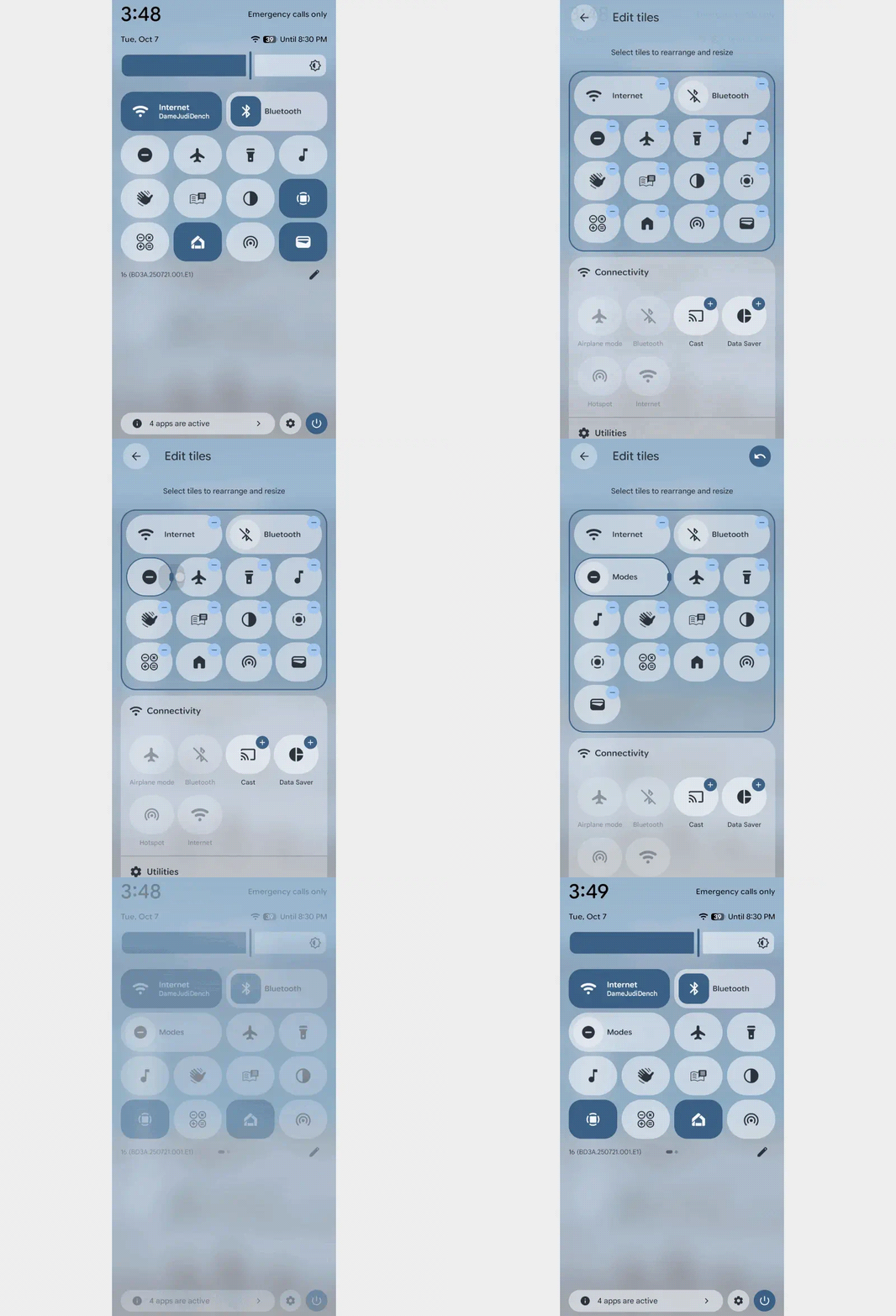
    !Quick Settings Resize

    • Customizable Modes: Android 16 presents Modes, enabling users to create multiple presets for different scenarios, streamlining notifications and interruptions based on specific needs.
    • Samsung Routines: With the introduction of preset Routines on Samsung devices, users can automate tasks based on triggers, enhancing productivity effortlessly.
    • Location-Based Reminders: Samsung’s Android 16 features a Reminder app that offers location-based reminders, ensuring you never miss a task tied to a specific place.
    • Call Captions: Samsung’s Call Captions feature provides on-screen text during calls, enhancing accessibility and ensuring you catch every word during important conversations.

    Android 16 Tips Part II: Security

    • Advanced Protection: Android 16 introduces a comprehensive Advanced Protection option, simplifying essential security settings into a single switch for enhanced device security.
    • Identity Check: By leveraging Trusted Places data, Identity Check adds an extra layer of biometric authentication for sensitive actions outside trusted locations, bolstering security measures.

    Android 16 Tips Part III: General Usability

    • Data Restoration: Android 16 now allows users to restore data from a different device post-initial setup, providing a seamless transition between devices.
    • Regional Preferences: Users can set non-language-specific regional preferences independently, offering a personalized and tailored user experience.
    • Text Outlining: Android 16 introduces a text outlining feature for easier readability, allowing users to highlight text with contrasting backgrounds for improved visibility.
    • Enhanced Split-Screen: Users can now adjust the split-screen ratio to a 90:10 divide, offering more flexibility in multitasking scenarios.
    • Hearing Aid Options: Android 16 on Pixel devices adds a Quick Settings tile for managing hearing aid options, providing easy access to controls for hearing aid users.
    • Battery Monitoring: Android 16 offers enhanced battery monitoring features, including battery health dashboards and customizable battery protection options for efficient power management.

    In the dynamic landscape of Android, these 14 advanced tips showcase the innovation and user-centric approach of Android 16, empowering users to optimize productivity and fortify security. Embrace these tips to unlock the full potential of your Android device and stay tuned for more exciting updates on the Android horizon.

  • JLR was not insured for cyber attack, claims industry journal

    In a shocking turn of events, Jaguar Land Rover (JLR) finds itself vulnerable to the aftermath of a significant cyber attack, reportedly without the safeguard of insurance coverage. The implications of this revelation are profound, highlighting the critical importance of cybersecurity measures in today’s digital landscape.

    Facing the financial repercussions of a cyber attack without insurance protection puts JLR in a precarious position. The potential costs associated with recovering from such an incident, including data restoration, system repairs, and possible legal liabilities, could be staggering. This situation serves as a stark reminder of the far-reaching consequences of inadequate cybersecurity planning.

    The absence of insurance coverage for a cyber attack underscores the need for organizations, regardless of their size or industry, to prioritize robust cybersecurity strategies. Investing in preventive measures, such as regular security assessments, employee training, and secure infrastructure, is crucial for mitigating the risks posed by cyber threats.

    Moreover, in the wake of this revelation, it is imperative for JLR to reassess its cybersecurity posture and implement comprehensive risk management practices. Collaborating with cybersecurity experts to fortify their defenses, conducting thorough vulnerability assessments, and establishing incident response protocols are essential steps for protecting against future cyber threats.

    As the digital landscape continues to evolve, cyber attacks are becoming increasingly sophisticated and prevalent. Organizations must adapt proactively to this changing threat landscape by staying informed about emerging risks and implementing robust security measures. Failure to do so not only jeopardizes sensitive data and operations but also exposes businesses to significant financial and reputational damage.

    In conclusion, the news that JLR was not insured for a cyber attack serves as a cautionary tale for businesses worldwide. Cybersecurity is not just a technological issue; it is a fundamental aspect of risk management and business continuity. By investing in cybersecurity preparedness and remaining vigilant against evolving threats, organizations can safeguard their assets, reputation, and future success in an increasingly digital world.

  • Changed Block Tracking Is Here for Kubernetes Resilience

    The landscape of Kubernetes resilience is evolving, and one key advancement making waves is Changed Block Tracking (CBT). For IT professionals navigating the complexities of Kubernetes storage and data protection, CBT emerges as a game-changer. This innovative technology enhances the efficiency and reliability of data backup and recovery processes within Kubernetes clusters.

    CBT operates by tracking and monitoring changes made to storage blocks since the last backup, enabling targeted and incremental backups. This means that only the altered blocks are backed up, reducing the workload on the system and minimizing backup windows. By focusing on what has changed, CBT optimizes resource utilization and accelerates data restoration in case of failures or disasters.

    In the realm of Kubernetes, where agility and scalability are paramount, CBT empowers teams to bolster their disaster recovery strategies. Its ability to pinpoint and capture only modified data ensures swift recovery times, minimizing downtime and enhancing overall system resilience. This targeted approach not only streamlines backup processes but also conserves valuable storage space by avoiding redundant data capture.

    Moreover, CBT aligns seamlessly with the dynamic nature of Kubernetes environments. As workloads shift and data evolves, CBT adapts by efficiently capturing changes at the block level. This flexibility is crucial in the face of rapid scaling or updates, ensuring that data protection mechanisms remain robust and responsive in the ever-changing Kubernetes ecosystem.

    By incorporating CBT into their Kubernetes infrastructure, IT teams can elevate their resilience posture and fortify their data protection strategies. Whether safeguarding critical applications, ensuring compliance, or mitigating risks, CBT offers a nuanced approach to managing data integrity and continuity in Kubernetes clusters. Embracing this technology equips organizations with the tools needed to navigate the complexities of modern IT landscapes effectively.

    In conclusion, Changed Block Tracking stands as a beacon of innovation in the realm of Kubernetes resilience. Its targeted approach, seamless adaptability, and efficiency enhancements underscore its significance in modern data protection practices. As IT professionals seek to optimize their Kubernetes environments for resilience and reliability, integrating CBT emerges as a strategic imperative. By harnessing the power of Changed Block Tracking, organizations can navigate the turbulent waters of IT disruptions with confidence and agility.