Blog

  • Academics accuse AI startups of co-opting peer review for publicity

    Academia and artificial intelligence have long danced a delicate tango, but recent revelations have cast a shadow over this partnership. The latest controversy swirling around the prestigious ICLR conference highlights a troubling trend: AI startups allegedly leveraging the academic peer review process for their own gain.

    Three prominent AI labs—Sakana, Intology, and Autoscience—have come under fire for purportedly utilizing AI algorithms to fabricate studies that successfully navigated the rigorous review process at ICLR. These studies, seemingly authored by machines rather than human researchers, have raised eyebrows and sparked heated debates within academic circles.

    The cornerstone of academic conferences like ICLR is the peer review system, a fundamental pillar of scholarly integrity. Peer review serves as a quality control mechanism, ensuring that research meets the standards of academic rigor and credibility. By infiltrating this sacrosanct process with AI-generated content, startups risk eroding the very foundation of academic discourse.

    While proponents argue that AI-generated studies push the boundaries of innovation, critics decry this practice as a cynical ploy to garner publicity and prestige. By exploiting the allure of academic acceptance, these startups may be prioritizing optics over genuine scientific inquiry, sowing seeds of doubt and distrust among their peers.

    The implications of this controversy are far-reaching, extending beyond the confines of a single conference. As AI continues to permeate various facets of society, the need for ethical guidelines and transparency in research becomes more pressing than ever. The convergence of academia and industry in the realm of AI demands a delicate balance between innovation and integrity.

    In the pursuit of technological advancement, it is crucial to uphold the principles of academic rigor and intellectual honesty. AI should be a tool for augmenting human capabilities, not a means to circumvent established norms and protocols. As the boundaries between man and machine blur, maintaining the ethical compass of scientific inquiry becomes paramount.

    Ultimately, the controversy surrounding AI-generated studies at ICLR serves as a wake-up call for the academic community. It underscores the need for robust safeguards against misuse and exploitation in the realm of AI research. By upholding the values of transparency, accountability, and intellectual honesty, academia can navigate this turbulent terrain with integrity and resilience.

    In an era where the line between authenticity and artifice is increasingly blurred, the onus is on researchers, scholars, and industry stakeholders to uphold the sanctity of academic discourse. Only by fostering a culture of integrity and ethical conduct can we harness the true potential of AI for the betterment of society as a whole.

    As the dust settles on this controversy, one thing remains clear: the future of AI lies not in deception or manipulation, but in the pursuit of knowledge and truth. Let us heed this cautionary tale as a reminder of the ethical responsibilities that accompany technological innovation, lest we lose sight of the very principles that underpin our quest for progress and enlightenment.
  • Microsoft Power Automate: How to get started

    Microsoft Power Automate: How to Get Started

    Are you tired of repetitive tasks that eat away at your time and focus? Microsoft Power Automate might just be the solution you’ve been looking for. Imagine automating the mundane aspects of your work life, allowing you to concentrate on what truly matters.

    Understanding the Basics

    Before diving into the world of automation, it’s essential to grasp the fundamentals. Power Automate offers a wide range of templates to kickstart your journey. These templates showcase the possibilities, from saving email attachments to organizing form responses seamlessly.

    Getting Started

    To embark on your automation journey, the first step is setting up Power Automate. Simply navigate to Microsoft 365, sign in with your work credentials, and locate the Power Automate icon. Once in the application, you’ll be greeted with a user-friendly interface brimming with templates and suggestions.

    Your First Automation: Email Filing

    Let’s delve into creating your first flow by automating email organization. By following a few simple steps, you can set up a system to store email attachments in SharePoint and track them effortlessly. This hands-on experience will not only streamline your workflow but also introduce you to key concepts of Power Automate.

    Adding AI Power: Copilot and AI Builder

    Take your automation to the next level by incorporating artificial intelligence. With Copilot and AI Builder, you can automate tasks that traditionally required manual intervention. By describing your desired workflow in natural language, Power Automate will generate a flow that leverages AI capabilities to enhance efficiency and accuracy.

    Making Your Flows Reliable

    Reliability is paramount in automation. By focusing on error handling, setting up Run after responses, and utilizing parallel branches, you can ensure that your flows operate seamlessly. Monitoring your flows regularly, setting up alerts for critical issues, and analyzing performance trends will help you maintain a robust and dependable automation system.

    The Last Word

    In a world where time is of the essence, embracing automation can be a game-changer. Microsoft Power Automate empowers you to optimize your workflows, boost productivity, and stay ahead of the curve. Whether you’re a seasoned professional or just starting, harnessing the power of automation can transform the way you work.

    By embracing Power Automate and its array of features, you’re not just automating tasks; you’re revolutionizing the way you approach work. So, why wait? Dive into the world of automation today and witness the difference it can make in your professional life.

  • Microsoft Power Automate: How to get started

    Getting Started with Microsoft Power Automate

    When it comes to automating tasks like saving email attachments, logging data, and notifying colleagues, Microsoft Power Automate is a game-changer. Similar to IFTTT and Zapier, this tool empowers users to create workflows effortlessly across different applications, all without any coding knowledge. As part of Microsoft’s Power Platform, Power Automate opens up a world of possibilities for streamlining processes and enhancing productivity.

    Understanding the Basics

    Starting with Power Automate can feel overwhelming, but fear not! Microsoft offers templates to kickstart your journey. These templates showcase various automation possibilities, from simple email organization to complex data processing. Customizing these templates to suit your specific needs is where the real magic happens.

    Types of Automation

    Power Automate offers three main types of automation:

    – Cloud Flows: These are like virtual assistants monitoring and reacting to events in online applications.

    – Desktop Flows: Imagine someone operating your desktop applications for you, clicking and typing as needed.

    – Business Process Flows: These guide you through intricate procedures step by step, ensuring accuracy and completeness.

    Getting Started

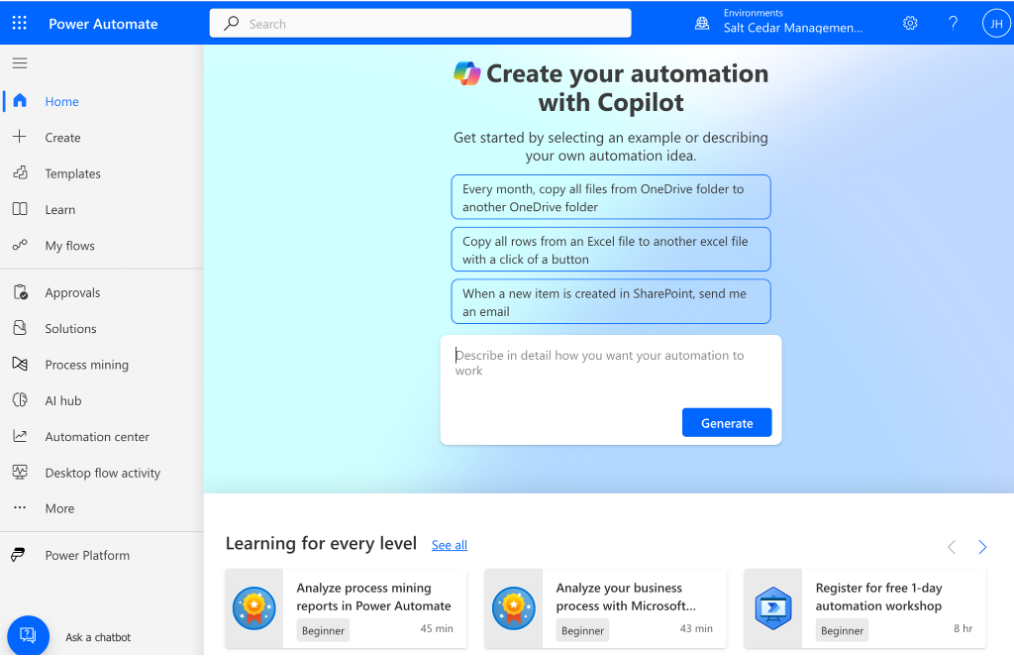
    To dive into Power Automate, head to the Microsoft 365 website and log in with your work credentials. Locate the Power Automate app, resembling a multicolored right arrow, and open it. Upon your first visit, you might encounter a brief tutorial, which you can skip if you prefer. The app’s welcome screen greets you with templates and suggestions, setting the stage for your automation journey.

    !Power Automate Home Screen

    Take a moment to familiarize yourself with the left navigation bar, your gateway to managing flows, templates, and connections.

    Your First Automation: Email Filing

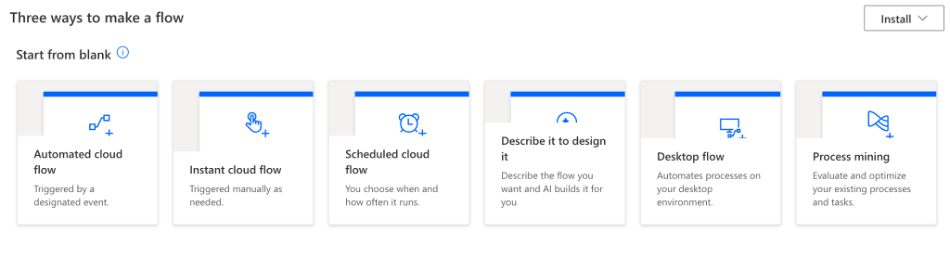
    Let’s embark on creating your first flow by organizing emails automatically. Select the “Create” button or navigate to “My flows” and choose “New flow” to initiate the process. Opt for an “Automated cloud flow” to ensure seamless automation without manual intervention.

    !Start a New Flow in Power Automate

    Name your flow, set a trigger (e.g., “Outlook new email”), and configure parameters for a tailored experience. Add subsequent actions like creating items in SharePoint to streamline your workflow.

    !Start Screen for a New Flow

    Continue building your flow by configuring each step meticulously, ensuring a smooth transition from one action to the next. Test your flow to verify its functionality and make necessary adjustments to achieve optimal performance.

    Adding AI Power: Copilot and AI Builder

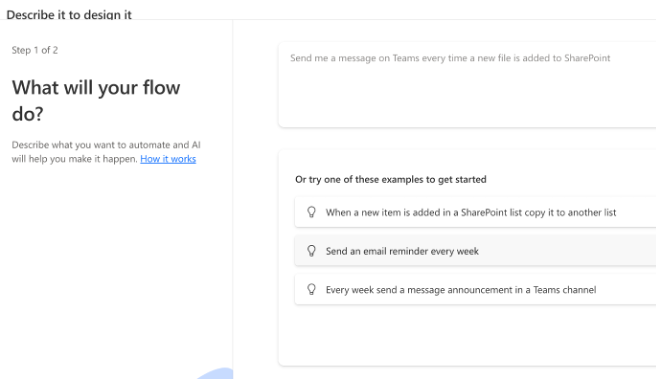
    Elevate your automation game by incorporating artificial intelligence into your flows. With Copilot and AI Builder, you can automate intricate processes, such as extracting data from invoices effortlessly. Let Copilot generate a flow based on your natural language description, integrating AI actions for enhanced efficiency and accuracy.

    !Describe the Flow to Copilot

    Customize the suggested flow, refine actions, and fine-tune settings to align with your specific requirements. Embrace the power of AI to tackle complex tasks with ease and precision.

    Making Your Flows Reliable

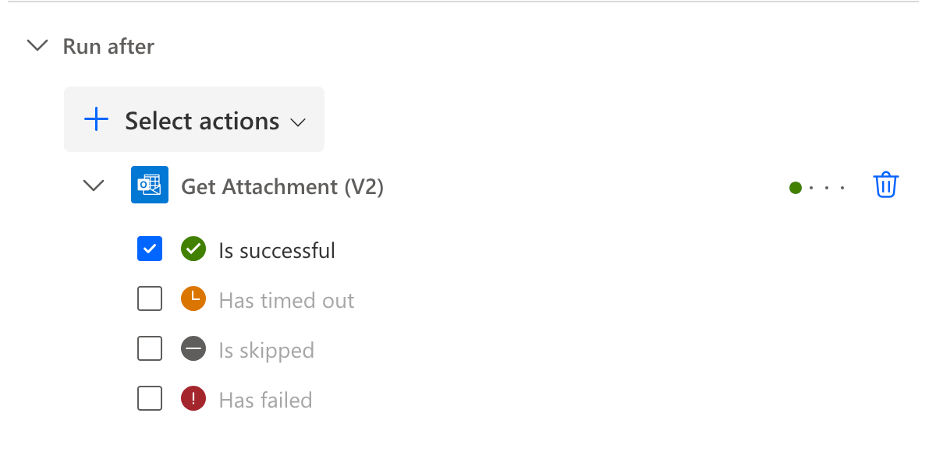
    Reliability is key to successful automation. Implement error handling strategies, utilize “Run after” settings, and leverage parallel branches to fortify your flows against potential disruptions. Establish a robust monitoring system to track performance, identify issues proactively, and ensure continuous operational excellence.

    !Setting Up ‘Run After’ Actions

    By prioritizing reliability and monitoring, you can build resilient flows that deliver consistent results and minimize downtime, fostering a culture of efficiency and effectiveness.

    The Last Word

    Microsoft Power Automate is a versatile tool that empowers users to streamline workflows, enhance productivity, and simplify everyday tasks. Whether you’re new to automation or a seasoned pro, Power Automate offers a user-friendly platform to unleash your creativity and optimize your work processes.

    Embrace the power of automation with Microsoft Power Automate and transform the way you work, one flow at a time.

    —

    This comprehensive guide equips you with the knowledge and tools to kickstart your automation journey using Microsoft Power Automate. From setting up your first flow to incorporating AI capabilities, this article provides a step-by-step approach to harnessing the full potential of automation in your daily workflows. Dive in, explore the possibilities, and revolutionize the way you work with Power Automate.

  • Comparing DuckDB, Snowflake, and Databricks

    Revolutionizing Data Processing: A Deep Dive into DuckDB, Snowflake, and Databricks

    The exponential surge in data volume over the past few years has transformed the way businesses function and strategize. This data deluge has prompted organizations of all sizes to rethink their approach to data management, with a focus on enhancing operational efficiency, driving innovation, and gaining a competitive edge in the market.

    In the realm of data processing, traditional stalwarts such as SQLite and MySQL have long been the go-to solutions for businesses. However, the evolving data landscape has given rise to a new breed of data platforms that are not only equipped to handle massive data sets but also offer advanced capabilities that cater to the demands of modern businesses. Among these innovative solutions, DuckDB, Snowflake, and Databricks have emerged as key players, each bringing a unique set of features and functionalities to the table.

    DuckDB: The Lightweight Powerhouse

    DuckDB is a modern analytical database management system that is gaining traction for its lightweight design and exceptional query performance. Designed to efficiently handle analytical workloads, DuckDB boasts impressive speed and versatility, making it an ideal choice for applications requiring real-time analytics and interactive data exploration.

    One of DuckDB’s standout features is its vectorized query execution engine, which enables parallel processing of data for faster query performance. This approach allows DuckDB to outperform traditional databases when it comes to processing complex analytical queries, making it a top contender for organizations looking to streamline their data processing workflows.

    Snowflake: The Cloud Data Platform

    Snowflake has made a name for itself as a leading cloud data platform that offers a unique architecture tailored for the cloud environment. With its innovative approach to data warehousing and analytics, Snowflake provides organizations with a scalable and flexible solution for managing and analyzing large volumes of data in the cloud.

    One of Snowflake’s key strengths lies in its ability to decouple storage and compute, allowing users to scale resources independently based on their specific needs. This architecture not only enhances performance and scalability but also reduces operational complexity, making Snowflake a popular choice for businesses looking to harness the power of cloud-based data processing.

    Databricks: The Unified Analytics Platform

    Databricks stands out as a unified analytics platform that combines data engineering, data science, and machine learning capabilities in a single integrated environment. Built on Apache Spark, Databricks offers a collaborative workspace that enables data teams to work seamlessly across different disciplines, driving faster insights and innovation.

    One of the key advantages of Databricks is its support for advanced analytics and machine learning workflows, allowing users to build and deploy sophisticated models with ease. By providing a unified platform for data preparation, exploration, and model deployment, Databricks empowers organizations to extract maximum value from their data assets and accelerate decision-making processes.

    Choosing the Right Solution

    When it comes to selecting the right data platform for your organization, it’s essential to consider your specific use case, performance requirements, scalability needs, and budget constraints. While DuckDB excels in query performance and real-time analytics, Snowflake offers unparalleled scalability and flexibility in the cloud, and Databricks provides a unified environment for advanced analytics and machine learning.

    Ultimately, the choice between DuckDB, Snowflake, and Databricks will depend on your unique business needs and objectives. By evaluating the strengths and limitations of each platform in relation to your requirements, you can make an informed decision that aligns with your data processing goals and sets the stage for future growth and innovation in your organization.

  • Comparing DuckDB, Snowflake, and Databricks

    In today’s data-driven world, managing vast amounts of information efficiently is key to staying ahead of the curve. As businesses of all sizes embrace the power of data to fuel their growth and innovation, the choice of the right data platform becomes paramount. Traditional databases like SQLite and MySQL have long been stalwarts in data management, but the increasing volume and complexity of data call for more specialized solutions. Enter DuckDB, Snowflake, and Databricks – three modern data platforms that are revolutionizing the way organizations handle data processing.

    The Rise of Modern Data Platforms

    The exponential growth of data in recent years has transformed the business landscape, pushing organizations to seek advanced tools to handle the ever-increasing data demands. DuckDB, Snowflake, and Databricks have emerged as frontrunners in this new era of data processing, offering unique features and capabilities that set them apart from traditional databases.

    DuckDB: Lightweight and Efficient

    DuckDB is an open-source, in-memory analytical database designed for high-performance query processing. Its lightweight nature and efficient query execution make it an attractive option for applications that require real-time analytics and interactive data exploration. DuckDB’s vectorized query execution engine enables rapid processing of complex queries, making it ideal for scenarios where speed and efficiency are paramount.

    Snowflake: The Data Cloud Platform

    Snowflake has gained significant traction in the data industry as a cloud-based data platform that offers scalability, flexibility, and ease of use. One of Snowflake’s key strengths lies in its ability to handle diverse workloads, from data warehousing to data engineering and data science. Its unique architecture separates storage and compute, allowing users to scale resources independently based on their needs. This flexibility makes Snowflake a popular choice for organizations seeking a modern data platform that can adapt to changing requirements seamlessly.

    Databricks: Unified Analytics Platform

    Databricks is known for its unified analytics platform that combines data engineering, data science, and machine learning capabilities in a single environment. Built on Apache Spark, Databricks provides a collaborative workspace for data teams to work together on data-driven projects. Its integration with popular programming languages like Python and R, along with its support for big data processing, makes it a preferred choice for organizations looking to streamline their data workflows and accelerate innovation.

    Choosing the Right Platform

    When comparing DuckDB, Snowflake, and Databricks, organizations need to consider their specific requirements, such as data volume, processing speed, scalability, and integration capabilities. DuckDB excels in rapid query processing and real-time analytics, making it suitable for applications that demand high performance. Snowflake’s cloud-native architecture and scalability make it a solid choice for organizations looking to migrate to the cloud and handle diverse workloads efficiently. Databricks, with its focus on unified analytics and collaboration, is ideal for data teams working on complex data projects that require a combination of data engineering and data science capabilities.

    Conclusion

    In conclusion, the data landscape is evolving rapidly, driving organizations to adopt modern data platforms that can keep pace with the growing demands of data processing and analysis. DuckDB, Snowflake, and Databricks represent the forefront of this evolution, offering unique features and strengths that cater to different use cases and requirements. By evaluating the strengths and capabilities of each platform in light of their specific needs, organizations can make informed decisions that pave the way for efficient data management, enhanced insights, and accelerated innovation.

  • Uber Boosted Performance with Go’s Profile-Guided Optimization

    Uber’s recent collaboration with Google to integrate Profile-Guided Optimization (PGO) into Golang represents a significant milestone in enhancing application performance within the tech industry. PGO stands out as a game-changing technique that leverages runtime data to drive compiler decisions, ultimately leading to improved efficiency and resource utilization.

    The adoption of PGO by Uber underscores the company’s commitment to optimizing its service fleet and delivering a seamless user experience. By harnessing the power of PGO, Uber has been able to unlock substantial performance gains and realize tangible benefits across its operations.

    One key advantage of PGO is its ability to analyze how a program behaves during execution, enabling the compiler to make informed optimizations based on actual usage patterns. This data-driven approach allows for more targeted and effective performance enhancements, leading to faster response times and smoother operation of applications.

    Uber’s strategic decision to implement PGO in Golang showcases the company’s forward-thinking approach to technology and innovation. By embracing this cutting-edge optimization technique, Uber has positioned itself at the forefront of performance optimization in the software development landscape.

    The collaboration between Uber and Google in integrating PGO into Golang exemplifies the power of industry partnerships in driving technological advancements. By pooling their expertise and resources, these two tech giants have been able to push the boundaries of what is possible in terms of application performance and efficiency.

    Overall, Uber’s success in boosting performance with Golang’s Profile-Guided Optimization serves as a compelling example of how innovative techniques can yield substantial benefits in the realm of software development. As the tech industry continues to evolve, leveraging tools like PGO will be essential for companies looking to stay competitive and deliver exceptional user experiences.

  • Uber Boosted Performance with Go’s Profile-Guided Optimization

    Boosting Performance: Uber’s Success with Go’s Profile-Guided Optimization

    In the ever-evolving landscape of application development, performance optimization stands out as a critical factor in ensuring efficient and effective software solutions. Uber, a pioneer in the realm of technology-driven transportation services, recently made waves by leveraging Profile-Guided Optimization (PGO) to enhance the performance of their applications. This collaborative effort between Uber and Google marks a significant milestone in the quest for maximizing performance through innovative techniques.

    Understanding Profile-Guided Optimization

    Profile-Guided Optimization (PGO) represents a sophisticated approach to enhancing application performance by utilizing runtime data to guide compiler optimizations. By collecting and analyzing data on how the application behaves during runtime, PGO enables the compiler to make informed decisions that can result in more efficient code generation. This data-driven optimization strategy has gained traction in the development community for its ability to fine-tune performance based on real-world usage patterns.

    Uber’s Strategic Collaboration with Google

    In a strategic move to further optimize their services, Uber collaborated with Google to integrate PGO into Golang, a popular programming language known for its efficiency and scalability. By harnessing the power of PGO within the Golang compiler, Uber aimed to unlock new levels of performance across their service fleet, encompassing a wide range of applications critical to their operations.

    Unleashing Performance Improvements

    The integration of PGO into Golang proved to be a game-changer for Uber, yielding substantial performance improvements and resource savings across their application ecosystem. By leveraging runtime data to guide optimizations, Uber was able to fine-tune their codebase, leading to faster execution times, reduced resource consumption, and enhanced overall responsiveness of their applications.

    Real-World Impact on Uber’s Operations

    The impact of PGO implementation was not merely theoretical but translated into tangible benefits for Uber’s day-to-day operations. From faster response times for user requests to improved scalability under heavy loads, the performance gains enabled by PGO underscored the importance of investing in innovative optimization techniques to stay ahead in today’s competitive technological landscape.

    The Future of Performance Optimization

    Uber’s success story with Go’s Profile-Guided Optimization serves as a testament to the transformative power of data-driven performance enhancements. As organizations across industries increasingly rely on software applications to drive their business operations, the need for efficient and optimized code becomes paramount. By embracing cutting-edge techniques like PGO, companies can unlock new levels of performance and efficiency, setting the stage for continued innovation and growth.

    In conclusion, Uber’s collaboration with Google to implement Profile-Guided Optimization in Golang showcases the immense potential of data-driven optimization strategies in maximizing application performance. As technology continues to advance at a rapid pace, staying at the forefront of performance optimization will be crucial for organizations seeking to deliver superior user experiences and maintain a competitive edge in the digital landscape.

    By Claudio Masolo

    !Uber Boosted Performance with Go’s Profile-Guided Optimization

  • Prezent raises $20M to build AI for slide decks

    Prezent, a pioneering tech company, has recently secured an impressive $20 million in an all-equity funding round. This substantial investment is earmarked to propel the development of cutting-edge AI technology tailored for slide decks. With this substantial financial backing, Prezent aims to create specialized presentation models that will revolutionize how professionals craft and deliver impactful presentations across various industries.

    The infusion of $20 million into Prezent signifies a strong endorsement of the potential for AI to enhance the efficiency and effectiveness of presentation design. By leveraging this funding, Prezent is well-positioned to push the boundaries of innovation in the realm of slide deck creation. This substantial financial backing will enable Prezent to further refine its AI capabilities, empowering users to generate visually stunning and compelling presentations effortlessly.

    Moreover, the funding will equip Prezent to expand its outreach and explore new markets. This expansion bodes well for professionals seeking to elevate their presentation skills and captivate audiences with visually engaging content. By broadening its footprint, Prezent can offer its AI-powered solutions to a more extensive range of users, catering to diverse needs and preferences across various sectors.

    The infusion of $20 million into Prezent underscores the growing significance of AI in transforming traditional practices such as presentation design. As AI continues to revolutionize different facets of the tech industry, Prezent’s focus on harnessing this technology for slide decks exemplifies the potential for innovation in even the most conventional domains. This strategic investment highlights the confidence investors have in Prezent’s vision and underscores the value of integrating AI into the art of presentation creation.

    In conclusion, Prezent’s recent funding milestone of $20 million marks a significant step forward in the realm of AI-driven presentation design. With a clear focus on developing specialized presentation models and expanding its market reach, Prezent is poised to redefine how professionals approach and engage with slide deck creation. As AI continues to permeate diverse industries, Prezent’s commitment to leveraging this technology sets a compelling precedent for the future of presentation design.

  • Prezent raises $20M to build AI for slide decks

    In the fast-paced world of presentations, having an edge can make all the difference. Recently, Prezent made waves by securing a hefty $20 million in funding solely through equity. This financial injection is earmarked for developing cutting-edge AI technology tailored for slide decks. The company is gearing up to create specialized presentation models that are set to revolutionize the way we communicate visually.

    Securing such a substantial funding round is a testament to the growing importance of AI in the realm of presentations. With Prezent’s innovative approach, users can expect a significant shift in how they craft and deliver their slide decks. By harnessing the power of artificial intelligence, presenters will have access to advanced tools that can enhance the effectiveness and impact of their visual storytelling.

    The implications of this investment are far-reaching. Not only does it signal a vote of confidence in Prezent’s vision and capabilities, but it also underscores the increasing demand for AI-driven solutions in the tech industry. As businesses strive to stay ahead in a competitive landscape, the ability to create compelling presentations efficiently becomes a valuable asset.

    By expanding its footprint into new markets, Prezent is poised to cater to a wider audience seeking to elevate their presentation game. Whether it’s pitching a new product, delivering a keynote address, or sharing insights with stakeholders, having access to AI-powered tools can streamline the process and maximize engagement. With Prezent’s upcoming developments, users can look forward to a more intuitive and impactful presentation experience.

    In a world where visual communication is key, the role of AI in enhancing presentations cannot be overstated. As Prezent sets out to redefine the standards for slide decks, professionals across various industries stand to benefit from the advancements in AI technology. This strategic funding not only propels Prezent towards its goals but also highlights the increasing synergy between artificial intelligence and effective communication.

    As we witness the convergence of technology and presentation skills, it’s clear that the future of slide decks is evolving. With Prezent leading the charge in AI-driven solutions, we can anticipate a new era of dynamic and interactive presentations that captivate audiences and drive results. The $20 million raised represents more than just a financial milestone—it signifies a commitment to innovation and excellence in the ever-evolving landscape of presentations.

    In conclusion, Prezent’s recent funding success marks a significant milestone in the intersection of AI and presentation design. As the company gears up to develop specialized models for slide decks, professionals can look forward to a more efficient and impactful way of creating visual content. With AI at the helm, the possibilities for elevating presentations to new heights are limitless.

  • US paid music subscribers cross 100 million mark for the first time

    Title: The Milestone Moment: US Surpasses 100 Million Paid Music Subscribers

    In a groundbreaking achievement, the United States has soared past the 100 million mark for paid music streaming subscribers, marking a significant milestone in the realm of digital entertainment. This remarkable feat, outlined in the latest report by the Record Industry Association of America (RIAA), showcases the resounding popularity and widespread adoption of music streaming services across the country.

    The surge in paid subscribers to over 100 million, up from 96.8 million in the previous year, underscores the escalating trend towards digital music consumption. With a steady year-on-year growth rate of approximately 3%, the music streaming landscape is witnessing a robust expansion, reflecting changing consumer preferences and the evolving dynamics of the music industry.

    RIAA’s comprehensive report sheds light on the transformative impact of music streaming platforms, revolutionizing how audiences engage with and access their favorite tunes. These platforms have not only democratized music consumption but have also provided artists with new avenues to reach a global audience, fostering creativity and diversity in the music ecosystem.

    The exponential rise in paid music subscribers signifies a fundamental shift in the way individuals experience music, emphasizing convenience, variety, and personalized curation. Streaming services offer a treasure trove of musical content at the fingertips of users, enabling them to explore genres, discover emerging artists, and create bespoke playlists tailored to their preferences.

    Moreover, the milestone of surpassing 100 million paid subscribers illuminates the economic resilience of the music industry, showcasing a sustainable revenue model that benefits both artists and streaming platforms alike. As the digital landscape continues to evolve, this achievement underscores the viability and vitality of subscription-based music services in driving growth and innovation.

    For music enthusiasts, this milestone heralds a new era of limitless possibilities, where the power of technology converges with the magic of music to deliver unparalleled experiences. Whether unwinding after a long day, powering through a workout, or simply seeking inspiration, streaming services have become indispensable companions that cater to diverse moods and moments.

    As we celebrate this historic moment of exceeding 100 million paid music subscribers in the U.S., it is evident that the harmonious blend of technology and creativity has opened doors to a transformative musical journey. With each subscriber contributing to the vibrant tapestry of the music streaming landscape, the future holds promise for further growth, innovation, and enchanting melodies that resonate across borders and generations.

    In conclusion, the achievement of surpassing 100 million paid music subscribers underscores the enduring allure and universal appeal of music, transcending boundaries and uniting audiences in a symphony of digital harmony. As we embrace this milestone, let us revel in the boundless possibilities that music streaming services offer, enriching our lives with melodies that captivate the soul and ignite the imagination.