Blog

  • How to Use Deep Research Like a Pro

    Unleashing the Power of Deep Research: A Pro’s Guide

    In the ever-evolving landscape of information and technology, mastering the art of deep research is essential for professionals in IT and software development. While basic search engines provide a wealth of data, going beyond surface-level information is where true insights lie. By harnessing AI-powered tools like ChatGPT and Perplexity, professionals can delve deeper, uncovering structured and credible insights that can drive innovation and decision-making.

    One of the key advantages of utilizing AI-powered deep research tools is the ability to sift through vast amounts of data in a fraction of the time it would take a human researcher. These tools can analyze complex datasets, identify patterns, and generate valuable insights that might otherwise remain hidden. For example, ChatGPT, a language processing model developed by OpenAI, can engage in conversations, answer questions, and provide contextually relevant information, making it a valuable asset for researchers seeking in-depth knowledge on a particular topic.

    Similarly, tools like Perplexity leverage advanced algorithms to analyze text data, enabling users to extract meaningful information from unstructured sources such as research papers, articles, and reports. By utilizing these tools, professionals can not only gather relevant data but also organize it in a structured manner, facilitating easier analysis and interpretation.

    To effectively use deep research tools like ChatGPT and Perplexity, professionals should follow a systematic approach. Firstly, clearly define the research objectives and the scope of the inquiry. This helps in narrowing down the focus and ensuring that the gathered insights are aligned with the intended goals. Secondly, leverage the capabilities of AI-powered tools to collect data from diverse sources, including academic papers, industry reports, and online repositories.

    Once the data is collected, it is crucial to analyze and validate the insights obtained. This involves critically evaluating the information for relevance, accuracy, and credibility. By cross-referencing data points from multiple sources and verifying the findings, professionals can ensure the reliability of the insights generated through deep research.

    Moreover, integrating keyword optimization strategies into the research process can enhance the effectiveness of AI-powered tools in retrieving relevant information. By using specific keywords related to the research topic, professionals can direct the algorithms to focus on retrieving data that is most pertinent to their inquiry. This targeted approach not only saves time but also improves the quality of the insights obtained.

    In conclusion, mastering the art of deep research using AI-powered tools like ChatGPT and Perplexity can significantly enhance the capabilities of IT and software development professionals. By going beyond basic search and delving into the realm of structured, credible insights, professionals can unlock new opportunities for innovation and growth. So, embrace the power of deep research and elevate your expertise to the next level.
  • CurrentBody LED Light Therapy Face Mask: Series 2 review

    Unveiling the CurrentBody LED Light Therapy Face Mask: Series 2

    If you’re a fan of beauty tech gadgets, the CurrentBody LED Light Therapy Face Mask: Series 2 might have caught your eye. This upgraded version of the popular LED mask has garnered praise from celebrities like Nicola Coughlan, known for her role in Bridgerton. But what sets this mask apart, and is it worth the investment?

    Design & Build

    The Series 2 mask impresses with its soft, flexible design and cordless operation. Weighing in at 450g and compactly sized, it offers comfort and convenience during use. The mask’s controller features a USB-C charging port and a single button for a straightforward 10-minute treatment session.

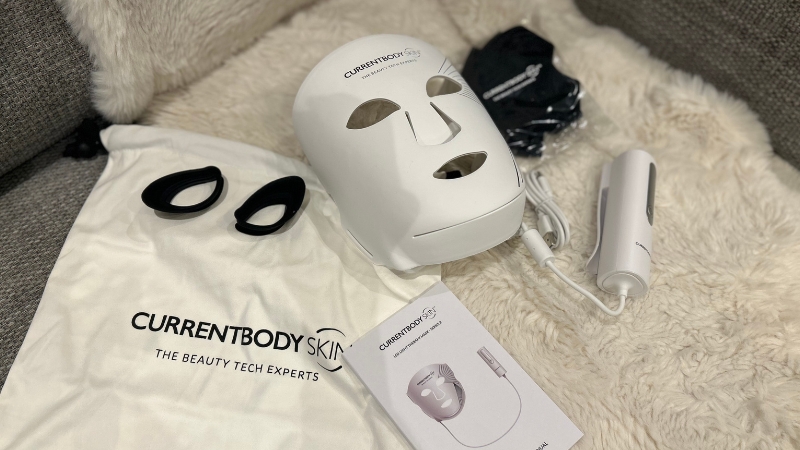
    !CurrentBody kit

    Inside the package, you’ll find additional accessories like a USB-C charger, a plush storage bag, eye inserts for added comfort, and an NFC card for checking test results. The mask’s improved silicone shape ensures a snug fit with enhanced coverage for optimal results.

    Performance & Features

    Equipped with 236 LEDs emitting clinically recognized wavelengths, the mask targets anti-aging concerns effectively. The red light boosts collagen production, while near-infrared wavelengths help firm and brighten the skin. Despite the lack of customizable programs, the mask’s simplicity makes it foolproof to use.

    !CurrentBody on the writer’s face

    After consistent use over four weeks, noticeable improvements in skin texture, tone, and fine lines were observed. While the mask lacks a battery indicator, its painless and comfortable operation makes it a reliable choice for long-term skin benefits.

    Price and Availability

    Priced at £399.99 in the UK and $469.99 in the US, the Series 2 mask is available for purchase on CurrentBody and Amazon. While it may seem steep compared to some competitors, its results-driven approach and ease of use justify the investment.

    Should You Buy the CurrentBody Series 2?

    If you value simplicity and effectiveness in your skincare routine, the CurrentBody LED Light Therapy Face Mask: Series 2 is a worthy addition. With consistent use, this mask can help improve skin tone, reduce redness, and combat signs of aging, providing long-term benefits with minimal effort.

    In conclusion, while the CurrentBody Series 2 may lack advanced features, its focus on delivering proven results sets it apart in the realm of LED light therapy masks. So, if you’re looking for a hassle-free way to enhance your skincare routine, this mask could be the perfect fit for you.

  • CurrentBody LED Light Therapy Face Mask: Series 2 review

    CurrentBody LED Light Therapy Face Mask: Series 2 Review

    If you’ve been scrolling through social media or binge-watching on Netflix, chances are you’ve stumbled upon the CurrentBody LED Light Therapy Face Mask. This high-tech beauty gadget gained notoriety when it was featured on TV during the third season of Emily in Paris, with Lily Collins showcasing the LED mask.

    Since then, CurrentBody has rolled out its upgraded Series 2 model to rave reviews, even earning praise from celebrities like Nicola Coughlan from Bridgerton, who dubbed it an ‘extra little helper.’

    While the initial investment in LED masks like CurrentBody’s may seem steep, if you compare it to monthly facial expenses, these devices start to make more financial sense.

    As a reviewer for Tech Advisor, I spent four weeks rigorously testing the CurrentBody LED Light Therapy Face Mask: Series 2. Let’s delve into the design, build, and performance of this cutting-edge beauty gadget.

    Design & Build

    The Series 2 mask impresses with its soft, flexible design and cordless functionality. Weighing in at 450g, including the remote, and with dimensions of (L) 19 x (W) 9.8 x (H) 20.7 cm, this mask offers both comfort and portability.

    The packaging includes the mask attached to the controller, featuring a USB-C charging port and a single button for initiating the 10-minute treatment cycle.

    The package also includes a USB-C charger, a luxurious storage bag, a user manual, eye inserts for added comfort, and an NFC card for viewing the mask’s test results.

    Performance & Features

    The Series 2 delivers noticeable results, especially with consistent use over four weeks. The mask’s three clinically recognized wavelengths—red light, near-infrared, and deep near-infrared—work together to boost collagen production, reduce fine lines, and improve skin firmness and tone.

    While the mask lacks customization options, its simplicity makes it foolproof to use. The mask itself is comfortable and doesn’t cause any discomfort during use.

    Price and Availability

    Priced at £399.99 in the UK and $469.99 in the US, the CurrentBody LED Light Therapy Face Mask: Series 2 is available for purchase directly from CurrentBody or through Amazon.

    While the price may seem high compared to other LED masks like the Shark CryoGlow, which offers more features, the Series 2 from CurrentBody excels in delivering long-term results for anti-aging.

    Should You Buy the CurrentBody Series 2?

    Overall, the CurrentBody LED Light Therapy Face Mask: Series 2 is a solid investment for those seeking effective anti-aging skincare solutions. With consistent use, this mask can help reduce redness, even out skin tone, and diminish fine lines.

    While it may lack fancy features, the simplicity and effectiveness of the Series 2 make it a valuable addition to any skincare routine. Consistency is key, so make sure to incorporate this LED mask regularly to reap its full benefits.

    In conclusion, if you’re looking for a straightforward yet powerful solution for anti-aging skincare, the CurrentBody Series 2 is a worthy contender that delivers visible results over time.

  • WWDC: Apple’s Shortcuts makes a grab at AI

    WWDC: Apple’s Shortcuts Makes a Grab at AI

    Apple’s upcoming Worldwide Developer’s Conference (WWDC) is poised to unveil some exciting updates, with Shortcuts taking center stage. Shortcuts, designed to streamline tasks across Apple devices, may soon integrate artificial intelligence (AI) for enhanced functionality.

    Currently, Shortcuts allow users to automate actions by combining different app functions. While powerful, the process can be daunting due to the script’s unfamiliar language. However, Apple plans to bridge this gap by infusing AI capabilities into Shortcuts, making tasks more intuitive and user-friendly.

    Imagine effortlessly summarizing a webpage and sending it with a personalized touch, courtesy of AI-powered Shortcuts. This advancement hints at a future where natural language commands drive seamless interactions across devices, revolutionizing user experiences.

    Moreover, the potential synergy between Shortcuts and contextual awareness in Apple Intelligence promises groundbreaking innovations. By marrying contextual insights with voice commands, users could execute complex tasks effortlessly, setting a new standard for intuitive interfaces.

    Despite the anticipation, the full extent of these developments may unfold gradually, with some features possibly debuting in the coming years. Patience may be key, as Apple continues to refine its offerings to deliver a transformative user experience across various platforms.

    As we eagerly await WWDC’s revelations, the prospect of AI-infused Shortcuts hints at a future where technology seamlessly integrates into our daily lives. This evolution underscores Apple’s commitment to innovation, paving the way for a more connected and intuitive digital ecosystem.

    In conclusion, while the road ahead may hold exciting possibilities, it’s crucial to appreciate the incremental progress shaping the future of technology. Stay tuned for WWDC updates to witness how Apple’s Shortcuts and AI advancements redefine the digital landscape.

    —

    Keywords: WWDC, Apple, Shortcuts, artificial intelligence, AI, user experience, technology, innovation, digital ecosystem, contextual awareness, Apple Intelligence, intuitive interfaces, seamless interactions, advancements

  • WWDC: Apple’s Shortcuts makes a grab at AI

    At this year’s WWDC, Apple is poised to unveil enhancements to its Shortcuts feature, potentially bridging the gap between automation and artificial intelligence. Shortcuts, while already streamlining tasks across Apple devices, could become even more intuitive and user-friendly with the integration of AI capabilities. By infusing Shortcuts with Apple Intelligence features, users may soon be able to execute complex tasks with simple voice commands or gestures.

    The move towards a more seamless user interface, where natural language can be used to combine various functions, aligns Apple with accessibility goals and user convenience. Imagine the power of summarizing a document and sending it for review with a spoken word, all effortlessly orchestrated through Shortcuts. This evolution hints at a future where technology augments our daily activities, potentially leading to innovative ways of interacting with devices across different platforms.

    Despite the anticipation surrounding these developments, the full realization of contextual awareness in Apple Intelligence may still be on the horizon. While speculations suggest a gradual rollout, the marriage of contextual Siri features with enhanced Shortcuts holds promise for revolutionizing workflow efficiency. This synergy could unlock a new realm of possibilities, paving the way for a more adaptable user interface that transcends traditional boundaries, including integration with visionOS devices.

    Although the complete transformation may require time, the incremental steps taken at WWDC will provide valuable insights into Apple’s technological trajectory. While some innovations may appear as mere glimpses of the future, they serve as crucial building blocks towards a more integrated and intuitive digital ecosystem. As we await these advancements, the journey towards a more interconnected and intelligent Apple ecosystem promises a flavorful destination worth the patience.

    Follow me on social media for more insights on tech trends and developments: Join me on BlueSky, LinkedIn, and Mastodon.

  • Vulnerable telecare users urged to act ahead of switch to digital phone lines

    Vulnerable Telecare Users: Prepare for the Digital Shift

    In a rapidly evolving digital landscape, change is often inevitable. This holds especially true for the approximately two million vulnerable individuals in the UK who rely on telecare alarms for crucial support. As the country gears up for a significant transition to digital phone lines, these users are now urged to take proactive steps to ensure their continued safety and well-being.

    The impending switch to digital phone lines carries both promises and challenges for telecare users. While this shift signifies progress and modernization in communication infrastructure, it also poses potential risks for those dependent on traditional landline systems. It is paramount for these individuals to address this transition promptly to avoid disruptions in their essential telecare services.

    One crucial aspect of this transition is for telecare users to reach out to their landline providers without delay. By initiating contact with their service providers, these individuals can gain valuable insights into how the switch to digital phone lines may impact their existing telecare systems. This proactive approach enables users to stay ahead of any potential issues and ensures a seamless transition to the new digital framework.

    Moreover, staying informed about the specific implications of the switch to digital phone lines is vital for telecare users. Understanding how their telecare alarms will function within the digital landscape empowers individuals to make informed decisions about their safety and well-being. By seeking clarity from their service providers and seeking guidance on necessary adjustments, users can navigate this transition with confidence.

    In light of these developments, the recent call to action for vulnerable telecare users serves as a timely reminder of the importance of staying proactive and informed in the face of technological changes. As the digital landscape continues to evolve, it is essential for users to adapt and ensure that their essential services remain reliable and effective.

    In conclusion, the switch to digital phone lines presents a pivotal moment for vulnerable telecare users to take charge of their safety and well-being. By engaging with their service providers, seeking relevant information, and proactively addressing any potential challenges, these individuals can navigate this transition successfully. Embracing change and staying informed are key elements in ensuring that telecare users continue to receive the life-saving support they rely on.

  • Vulnerable telecare users urged to act ahead of switch to digital phone lines

    Ensuring Safety in the Digital Age: A Call to Action for Vulnerable Telecare Users

    In a world rapidly pivoting towards digitalization, it’s crucial to ensure that no one is left behind, especially those who rely on telecare alarms for their safety. Recent reports highlight that approximately two million vulnerable individuals in the UK are at risk due to the impending shift to digital phone lines. This transition might seem like a routine upgrade, but for those dependent on telecare systems, it represents a potential disruption to a lifeline that provides security and peace of mind.

    The plea for action is clear: vulnerable telecare users must proactively reach out to their landline providers to address any potential issues that could arise during the switch to digital phone lines. By taking this simple step, users can safeguard themselves against potential interruptions in service and ensure that their telecare alarms continue to function seamlessly in the digital landscape.

    The urgency of this situation cannot be overstated. For many individuals, telecare systems are not just gadgets but lifelines that offer a sense of security and independence. Imagine the anxiety and vulnerability that could arise if these systems were to fail due to a lack of preparedness for the digital transition. By heeding the call to action and reaching out to their providers, telecare users can take proactive measures to mitigate any risks and ensure continuous support in times of need.

    Moreover, this initiative underscores the importance of inclusive technological advancements. As we embrace digitalization and the conveniences it brings, it’s crucial to remember that progress should not come at the cost of leaving vulnerable populations behind. By prioritizing the needs of telecare users and ensuring a smooth transition to digital phone lines, we can uphold the values of inclusivity and accessibility in our technological evolution.

    In conclusion, the message is clear: act now to safeguard the safety and well-being of vulnerable telecare users. By reaching out to landline providers and preparing for the switch to digital phone lines, users can ensure that their telecare alarms remain reliable and effective in the digital age. Let’s stand together to support those who need it most and ensure that no one is left behind in our journey towards a more connected future.

  • AI copyright battle intensifies as bill ‘ping-pongs’ between UK Houses of Parliament

    The ongoing clash between AI and copyright laws has reached a boiling point in the UK, with the Data (Use and Access) Bill becoming a pawn in a back-and-forth struggle between the country’s House of Commons and the House of Lords. This legislative tug-of-war highlights the complexities and challenges that arise when trying to regulate artificial intelligence within the realm of intellectual property.

    The bill’s journey through the parliamentary process resembles a game of “ping-pong,” where it is volleyed between the two houses, each proposing amendments and revisions in an attempt to shape the future of AI and data usage. This political deadlock underscores the need for clear and comprehensive legislation that balances innovation with protection of intellectual property rights.

    As AI technology continues to advance at a rapid pace, the issue of copyright becomes increasingly critical. AI algorithms are capable of generating content autonomously, blurring the lines of ownership and originality. Without robust copyright laws in place, creators risk having their work exploited or misrepresented by AI systems.

    The UK’s struggle to reconcile AI and copyright law is not an isolated incident. Similar debates are taking place around the world as governments grapple with the implications of AI on traditional copyright frameworks. From music and literature to visual arts and software development, the impact of AI on creative industries is profound and far-reaching.

    In this digital age, where information is easily accessible and replicable, protecting intellectual property rights is more challenging than ever. AI further complicates this landscape by creating new forms of content that defy conventional copyright norms. As such, lawmakers face the daunting task of adapting existing laws to accommodate the realities of AI-generated content.

    The outcome of the Data (Use and Access) Bill deliberations will set a precedent for how AI and copyright intersect in the UK and beyond. It is crucial for legislators to strike a balance that fosters innovation while safeguarding the rights of creators and copyright holders. The resolution of this legislative impasse will shape the future of AI development and intellectual property protection in the digital age.

    In conclusion, the clash between AI and copyright in the UK Parliament serves as a microcosm of the global challenges posed by emerging technologies. By navigating this complex terrain with diligence and foresight, policymakers can pave the way for a harmonious coexistence between AI innovation and copyright protection. The stakes are high, but the potential rewards in terms of creativity, innovation, and economic growth are even higher.

  • AI copyright battle intensifies as bill ‘ping-pongs’ between UK Houses of Parliament

    The intersection of artificial intelligence (AI) and copyright law has sparked a heated debate within the UK’s legislative chambers. The Data (Use and Access) Bill finds itself embroiled in a unique back-and-forth struggle between the House of Commons and the House of Lords, resembling a high-stakes game of ping-pong.

    This legislative tug-of-war underscores the complexities and implications of applying copyright regulations to AI-generated content. As AI technology continues to advance rapidly, questions of ownership, attribution, and intellectual property rights become increasingly pressing.

    The ongoing battle over the Data (Use and Access) Bill highlights the need for clear and comprehensive legislation that can adapt to the evolving landscape of AI innovation. Balancing the rights of creators, users, and AI systems themselves poses a formidable challenge for lawmakers grappling with the intricacies of digital content in the 21st century.

    In the midst of this legislative showdown, stakeholders across industries are closely monitoring the outcome, as it could set a significant precedent for future AI-related policies. The ramifications of this bill extend far beyond the confines of parliamentary chambers, shaping the future of AI development and intellectual property rights on a global scale.

    As the debate rages on, it is essential for policymakers to engage with experts, industry leaders, and technology innovators to craft a framework that not only protects intellectual property but also fosters innovation and creativity in the burgeoning field of AI. Finding a delicate balance between regulation and advancement is key to navigating the intricate terrain of AI copyright law.

    The back-and-forth nature of the Data (Use and Access) Bill’s journey through the UK Houses of Parliament serves as a poignant reminder of the complexities inherent in regulating AI within the realm of copyright. As lawmakers grapple with these challenges, the tech world watches with bated breath, recognizing the far-reaching implications of this legislative battle.

    In the ever-evolving landscape of technology and intellectual property, the AI copyright debate stands as a pivotal moment, shaping the future of innovation, creativity, and ownership in the digital age. Only time will tell how this legislative ping-pong match will unfold and what it will mean for the intricate relationship between AI and copyright law.

  • Scale AI hires team behind remote developer recruiting platform Pesto AI

    Scale AI, the Tiger Global-backed data labeling startup, has recently made a strategic move by hiring the team behind Pesto AI, the remote developer recruiting platform. This decision marks a significant development in the tech industry, bringing together two innovative companies with complementary expertise.

    Scale AI’s decision to bring on board the Pesto AI team showcases a forward-thinking approach to talent acquisition and technology integration. By merging the strengths of both companies, Scale AI aims to enhance its capabilities in data labeling and further solidify its position in the market.

    The team behind Pesto AI brings valuable experience in remote developer recruitment, which can be leveraged to streamline processes within Scale AI. This collaboration is a testament to the importance of cross-industry partnerships in driving innovation and growth in the tech sector.

    By combining forces, Scale AI and the former Pesto AI team can work towards developing advanced solutions that meet the evolving needs of businesses in an increasingly digital landscape. This strategic alignment underscores the importance of agility and adaptability in today’s competitive business environment.

    Furthermore, this merger is likely to result in the creation of new job opportunities and the expansion of services offered by Scale AI. The diverse skill sets and fresh perspectives brought in by the Pesto AI team can lead to the development of groundbreaking solutions that drive value for customers.

    Overall, Scale AI’s decision to hire the team behind Pesto AI signals a promising future for both companies and highlights the potential for collaboration and innovation within the tech industry. As the demand for advanced technologies continues to grow, partnerships like these are essential for driving progress and staying ahead in a rapidly changing market.