Blog

  • Amazon + Anthropic datacenter ⚑, OpenAI’s Office competitor πŸ“, AI tops HackerOne πŸ‘¨β€πŸ’»Β 

    In the fast-paced world of technology, three recent developments have sparked excitement and curiosity among IT and development professionals. From Amazon’s partnership with Anthropic for data center efficiency to OpenAI’s intriguing Office competitor, and AI’s impressive performance on HackerOne, the landscape of innovation continues to evolve rapidly. Let’s delve into these exciting advancements that are shaping the future of technology.

    Amazon and Anthropic: Revolutionizing Data Center Efficiency ⚑

    Amazon, a juggernaut in the tech industry, has joined forces with Anthropic to enhance data center operations further. Anthropic’s expertise in artificial intelligence (AI) and machine learning aligns perfectly with Amazon’s commitment to optimizing energy consumption and increasing overall efficiency. By leveraging Anthropic’s innovative solutions, Amazon aims to streamline its data center processes, reduce environmental impact, and ultimately deliver a more sustainable and scalable infrastructure.

    This collaboration signifies a critical step forward in the quest for greener and more efficient data centers. Anthropic’s cutting-edge AI algorithms can analyze vast amounts of data in real-time, enabling Amazon to make data-driven decisions that maximize performance while minimizing energy consumption. As the demand for cloud services continues to soar, this partnership sets a new standard for environmentally conscious data center management.

    OpenAI’s Office Competitor: A Game-Changer in Productivity πŸ“

    OpenAI, known for pushing the boundaries of AI research, has introduced a groundbreaking Office competitor that promises to revolutionize how we work and collaborate. By harnessing the power of natural language processing and machine learning, OpenAI’s new tool offers advanced features for document creation, organization, and communication. With seamless integration across multiple platforms, this Office competitor provides a unified workspace for enhanced productivity and efficiency.

    What sets OpenAI’s Office competitor apart is its ability to understand and adapt to user behavior, anticipating needs and offering intelligent suggestions in real time. From automating routine tasks to facilitating complex data analysis, this innovative tool empowers users to work smarter and faster. As organizations strive to optimize workflows and streamline operations, OpenAI’s Office competitor emerges as a game-changer in the realm of productivity tools.

    AI Dominates HackerOne: Redefining Cybersecurity πŸ‘¨β€πŸ’»

    In a remarkable display of prowess, artificial intelligence has emerged as a dominant force on HackerOne, the leading platform for ethical hacking and bug bounty programs. AI-powered tools and algorithms have proven to be exceptionally effective in identifying vulnerabilities, detecting security threats, and fortifying cyber defenses. By leveraging AI technology, security researchers and organizations can proactively address potential risks and enhance the overall resilience of their systems.

    The rise of AI on HackerOne underscores the critical role of automation and machine learning in modern cybersecurity practices. AI-driven solutions can analyze vast amounts of data at incredible speeds, uncovering vulnerabilities that might elude human detection. As cyber threats become more sophisticated and pervasive, the integration of AI into cybersecurity workflows is essential for staying ahead of malicious actors and safeguarding sensitive information.

    Embracing Innovation for a Brighter Future

    As we witness these remarkable advancements in technology, it becomes clear that innovation is the driving force behind progress in the IT and development industry. From optimizing data center efficiency to reimagining productivity tools and enhancing cybersecurity practices, each breakthrough opens new possibilities for growth and evolution. By embracing these innovations and staying at the forefront of technological trends, professionals in the field can navigate the ever-changing landscape with confidence and creativity.

    In conclusion, the collaboration between Amazon and Anthropic, the introduction of OpenAI’s Office competitor, and the prominence of AI on HackerOne collectively illustrate the transformative power of technology in shaping the future. As we harness the potential of AI, machine learning, and data analytics, we pave the way for a more connected, efficient, and secure digital ecosystem. By staying informed and adaptive, IT and development professionals can leverage these advancements to drive innovation, solve complex challenges, and create a brighter future for all.
  • Top Industries for Investment In Uruguay

    In recent years, Uruguay has emerged as a compelling investment hub in South America, drawing attention for its stable economy and investor-friendly policies. With a strategic location, strong infrastructure, and skilled workforce, Uruguay offers a range of promising sectors for prospective investors. Let’s explore some of the top industries driving investment opportunities in Uruguay.

    1. Renewable Energy: Uruguay has made significant strides in renewable energy, with a focus on wind and solar power. The country has set ambitious targets for clean energy production, offering attractive incentives for investors. With abundant natural resources and government support, the renewable energy sector presents promising opportunities for sustainable investments.

    2. Agribusiness: Known for its fertile land and advanced agricultural practices, Uruguay is a key player in agribusiness. The country is a leading exporter of beef, soybeans, and dairy products. Investors can tap into the agricultural sector through sustainable farming practices, technology integration, and value-added products for both domestic and international markets.

    3. Technology and Innovation: Uruguay boasts a thriving technology ecosystem, with a focus on software development, cybersecurity, and fintech. The country’s skilled workforce and supportive regulatory environment have attracted tech companies and startups. Investing in Uruguay’s tech sector offers access to talent, innovation, and a growing market for digital solutions.

    4. Tourism and Hospitality: Uruguay’s picturesque landscapes, vibrant culture, and stable political environment have positioned it as a popular tourist destination. The tourism sector offers diverse investment opportunities, including hotels, resorts, eco-tourism ventures, and infrastructure development. With a growing number of international visitors, investing in Uruguay’s hospitality industry can yield significant returns.

    5. Logistics and Transport: As a regional logistics hub, Uruguay benefits from its strategic location and well-developed transportation network. The country’s ports, airports, and roadways facilitate trade and commerce, making it an attractive destination for logistics investments. By leveraging Uruguay’s connectivity and infrastructure, investors can participate in the growing movement of goods and services across borders.

    In conclusion, Uruguay presents a compelling investment landscape across various industries, driven by economic stability, innovation, and strategic advantages. Whether you are interested in renewable energy, agribusiness, technology, tourism, or logistics, Uruguay offers diverse opportunities for investors seeking long-term growth and sustainability. By carefully evaluating the market dynamics and leveraging the country’s strengths, investors can capitalize on Uruguay’s potential as a lucrative investment destination in South America.

  • Top Industries for Investment In Uruguay

    In the realm of investments, Uruguay emerges as a compelling choice among South American destinations, offering a diverse range of industries ripe for exploration. With a strategic location and a business-friendly environment, Uruguay presents numerous opportunities for investors seeking growth and stability in their portfolios.

    Agriculture and Agribusiness: Uruguay’s fertile lands and favorable climate make agriculture a cornerstone of its economy. The country is a leading producer of beef, wool, and soybeans, attracting investors looking to capitalize on the global demand for agricultural products. Notably, Uruguay has established itself as a key player in sustainable agriculture practices, further enhancing its appeal to environmentally conscious investors.

    Renewable Energy: As the world shifts towards sustainable energy solutions, Uruguay stands out for its significant investments in renewable energy sources. The country has made remarkable progress in harnessing wind, solar, and hydroelectric power, offering lucrative opportunities for investors interested in the clean energy sector. With a commitment to reducing carbon emissions and promoting renewable initiatives, Uruguay presents a promising landscape for sustainable energy investments.

    Information Technology: Uruguay’s burgeoning tech scene has garnered attention as a hub for innovation and talent in Latin America. The country boasts a skilled workforce, supportive government policies, and a growing ecosystem of tech startups, making it an attractive destination for IT investments. From software development to cybersecurity, Uruguay offers a dynamic environment for tech companies looking to expand their presence in the region.

    Tourism and Hospitality: Uruguay’s enchanting landscapes, vibrant culture, and reputation for safety have positioned it as a sought-after destination for tourists and investors alike. The country’s tourism sector continues to thrive, with opportunities for investment in hotels, resorts, and eco-tourism ventures. As a popular destination for both leisure and business travelers, Uruguay presents a promising outlook for investors seeking to capitalize on the growing tourism industry.

    Financial Services: Uruguay’s stable economy and robust regulatory framework have made it a hub for financial services in the region. The country’s well-developed banking sector, favorable tax policies, and commitment to transparency have attracted investors looking to diversify their portfolios in the financial industry. With a strong track record of economic stability and sound financial practices, Uruguay offers a secure environment for investments in banking, insurance, and asset management.

    In conclusion, Uruguay’s strategic advantages, diverse investment opportunities, and commitment to sustainability make it a compelling choice for investors across various industries. Whether in agriculture, renewable energy, information technology, tourism, or financial services, Uruguay presents a promising landscape for growth and innovation. By tapping into Uruguay’s dynamic economy and investor-friendly environment, savvy investors can unlock a wealth of opportunities in this emerging market.

  • Qodo Now Lets Developers Create Their Own Coding Agents

    Qodo Revolutionizes Coding: Developers Can Create Their Own Coding Agents

    In the ever-evolving landscape of software development, Qodo has emerged as a game-changer. This innovative agentic coding platform not only empowers developers to generate code efficiently but also assists them in reviewing and testing it seamlessly. The recent announcement that Qodo now allows developers to create their own coding agents marks a significant milestone in the realm of coding automation.

    By enabling developers to build their coding agents, Qodo is putting the power of customization directly into the hands of those who understand their projects best. This capability opens up a world of possibilities, allowing for tailored solutions to specific coding challenges and streamlining workflows like never before. With this new feature, developers can enhance their productivity and code quality while maintaining full control over the development process.

    The ability to create coding agents within the Qodo platform represents a paradigm shift in how coding tasks are approached. Developers can now leverage their unique insights and expertise to design agents that align perfectly with their coding style and project requirements. This level of personalization not only boosts efficiency but also fosters creativity and innovation in coding practices.

    Moreover, the introduction of custom coding agents in Qodo underscores the platform’s commitment to empowering developers at every stage of the coding process. By offering a comprehensive suite of tools that cater to diverse coding needs, Qodo sets itself apart as a versatile and user-centric solution for modern development workflows. Developers can now harness the full potential of coding automation while maintaining the flexibility to adapt to changing project dynamics.

    In practical terms, creating coding agents in Qodo opens up a world of opportunities for developers to optimize their coding workflows. For instance, developers can design agents that automate repetitive tasks, perform complex code analysis, or provide intelligent code suggestions based on personalized preferences. This level of automation not only saves time and effort but also elevates the overall coding experience, making it more intuitive and rewarding.

    In conclusion, Qodo’s decision to allow developers to create their coding agents represents a significant step forward in the realm of coding automation. By empowering developers to customize their coding experience and streamline their workflows, Qodo is redefining the boundaries of what is possible in software development. As developers embrace this new feature, the future of coding looks brighter and more efficient than ever before.

    Image Source: The New Stack

    —

    Keywords: Qodo, coding agents, software development, developers, coding automation, customization, coding workflows, coding platforms

  • Qodo Now Lets Developers Create Their Own Coding Agents

    Qodo, the innovative platform revolutionizing the coding landscape, has just unveiled a groundbreaking feature that empowers developers like never before. With Qodo’s latest update, developers can now create their own coding agents, opening up a realm of possibilities for streamlining and enhancing the coding process.

    This new capability allows developers to tailor coding agents to their specific needs, automating repetitive tasks, providing real-time feedback, and even suggesting optimizations. By giving developers the tools to craft their coding assistants, Qodo is putting the power of AI and automation directly into the hands of those who know their coding workflows best.

    Imagine having a virtual assistant that understands your coding style, anticipates your next steps, and helps you catch errors before they escalate. With Qodo’s coding agents, this vision becomes a reality, enabling developers to code faster, smarter, and with greater precision.

    Furthermore, Qodo’s approach aligns with the industry’s shift towards democratizing AI and machine learning tools. By empowering developers to create their coding agents, Qodo is not only enhancing individual coding efficiency but also fostering a culture of innovation and experimentation within the development community.

    Developers can now explore new ways to boost productivity, improve code quality, and unlock their creative potential, all within the familiar environment of Qodo’s user-friendly platform. The ability to customize coding agents according to specific projects or coding languages ensures that developers have the flexibility and control they need to succeed in today’s fast-paced coding landscape.

    In conclusion, Qodo’s introduction of custom coding agents marks a significant milestone in the evolution of coding tools. By putting the power of AI-driven assistance directly into the hands of developers, Qodo is empowering coders to reach new levels of efficiency and effectiveness in their work. As the demand for streamlined coding solutions continues to grow, Qodo’s innovative approach is poised to reshape the way developers code, collaborate, and create in the digital age.

  • 10 ways to boost Windows security

    10 Ways to Boost Windows Security: Practical Tips for Enhanced Protection

    As Microsoft gears up to halt security updates for Windows 10 unless additional fees are paid, the urgency for bolstering system security has never been more paramount. Whether you’re sticking with Windows 10 or have transitioned to Windows 11, there are numerous strategies you can employ to fortify your PC against potential threats.

    Let’s move beyond generic advice like avoiding suspicious software and delve into actionable steps that can immediately enhance your system’s security. These tweaks utilize existing Windows features, making them easily accessible for both personal and professional users.

    Windows Security Boost #1: Block Potentially Unwanted Apps

    Windows can shield you from “potentially unwanted apps” that might compromise your privacy. By enabling this feature in the Windows Security app, you can prevent these apps from causing harm or displaying intrusive ads.

    Windows Security Boost #2: Verify Encryption Settings

    Ensure your device’s data is encrypted by default by checking the BitLocker settings. This precautionary step safeguards your files from unauthorized access, providing an additional layer of protection.

    Windows Security Boost #3: Evaluate Syncing Preferences

    Review your OneDrive syncing settings to control which folders are automatically synchronized with your Microsoft account. This customization allows you to manage sensitive data more securely, especially in organizational contexts.

    Windows Security Boost #4: Opt for Secure Sign-Ins

    Enhance your sign-in security by prioritizing biometric authentication methods over traditional passwords. By enabling this feature, you can mitigate the risk of unauthorized access to your device.

    Windows Security Boost #5: Activate Ransomware Protection

    Shield your essential folders from ransomware attacks using the Controlled folder access feature. While it may require some configuration, this tool adds an extra security layer against file encryption threats.

    Windows Security Boost #6: Ensure Office Updates

    Regularly update your Microsoft Office suite to safeguard against potential security vulnerabilities. Keeping your Office applications up to date is crucial in preventing malicious exploits through outdated software.

    Windows Security Boost #7: Monitor App Updates

    Stay vigilant about app updates, as outdated applications can pose security risks. Utilize tools like winget command or UniGetUI to track and install necessary updates for enhanced protection.

    Windows Security Boost #8: Activate Core Isolation

    Enable core isolation features to fortify the Windows system kernel against exploitation. These built-in security measures can significantly bolster your PC’s defenses without requiring additional software.

    Windows Security Boost #9: Utilize Windows Sandbox

    Leverage the Windows Sandbox feature for running untrusted programs in a secure environment. This isolated space ensures that potentially risky applications do not compromise your system’s integrity.

    Windows Security Boost #10: Optimize Exploit Protection Settings

    Fine-tune exploit protection settings within Windows Security to guard your system against potential attacks. By leveraging these native security measures, you can enhance your programs’ resilience to exploits.

    By implementing these ten practical tips, you can significantly enhance your Windows PC’s security posture. Strengthening your defenses against evolving cyber threats is essential in safeguarding your valuable data and ensuring a secure computing experience.

    Remember, proactive security measures are key to staying ahead of potential risks in today’s ever-evolving digital landscape. Stay informed, stay vigilant, and keep your Windows system fortified against emerging threats.

    For more insightful Windows analysis and valuable PC tips, sign up for the free Windows Intelligence newsletter today. Stay informed and empowered to navigate the digital realm securely.

    —

    Keywords: Windows security, Windows 10, Windows 11, cybersecurity, Microsoft, system security, data protection, ransomware, encryption, software updates, exploit protection.

  • 10 ways to boost Windows security

    10 Ways to Boost Windows Security

    As Microsoft gears up to halt security updates for Windows 10 in October, the urgency to fortify your system against cyber threats looms large. Whether you are steadfast with Windows 10 or have shifted to Windows 11, enhancing your PC’s security is paramount.

    Let’s bypass the standard counsel of avoiding suspicious software and explore tangible tools within Windows that can elevate your system’s defenses. These fundamental adjustments can significantly bolster your data protection, both personally and professionally, with just a few clicks.

    Windows Security Boost #1: Block Bad Apps

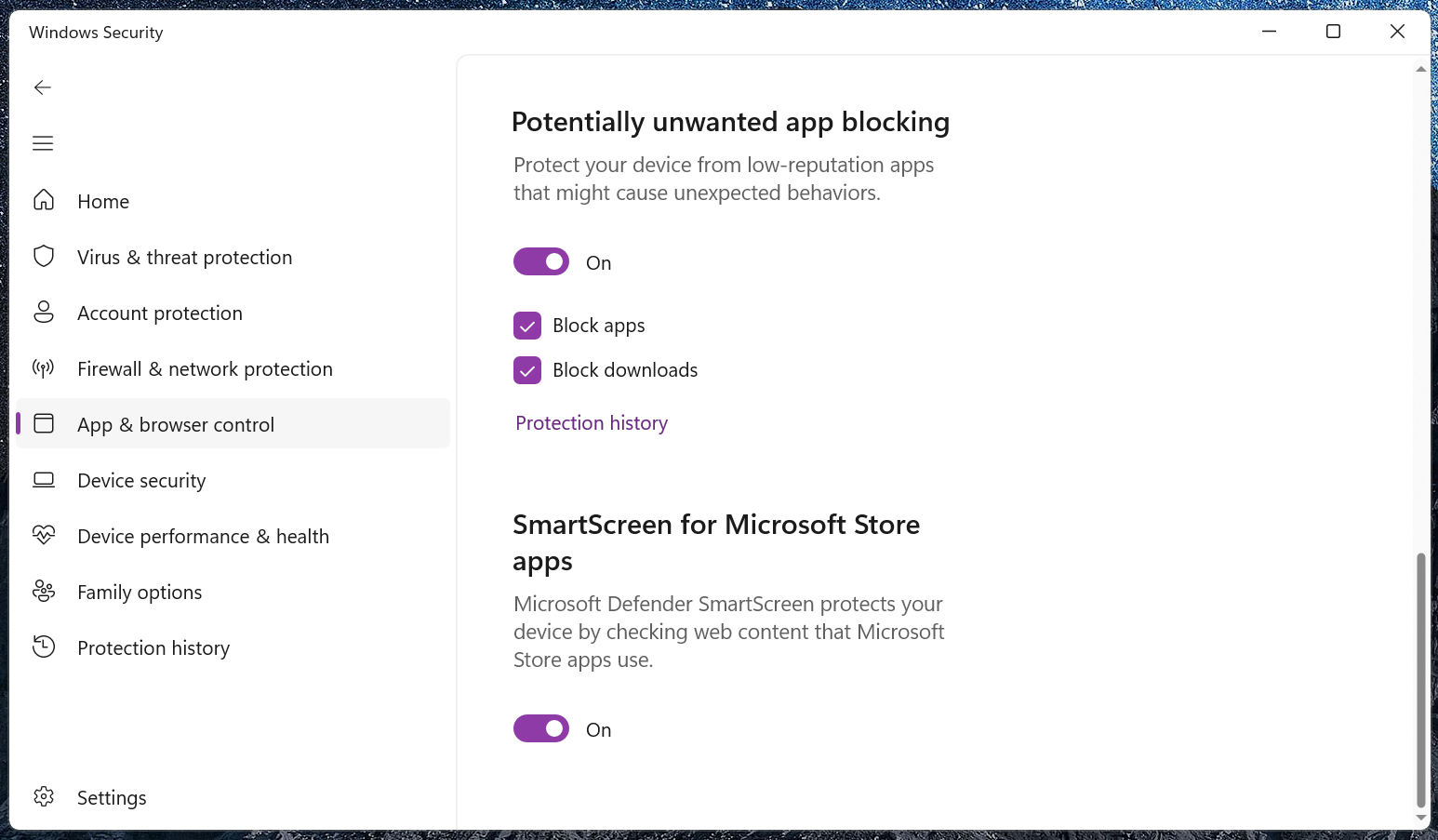
    Uncover hidden threats by activating Windows’ ability to bar “potentially unwanted apps.” These programs, often benign but intrusive, can compromise your privacy. Enable this feature in the “Windows Security” app under “App & browser control” to shield your system effectively.

    !Windows potentially unwanted app blocking

    Windows Security Boost #2: Check Your Encryption

    Verify if your device uses “Device Encryption” to safeguard your files. Access “BitLocker” settings through the Start menu to ensure your data remains encrypted, shielding it from unauthorized access.

    !Windows BitLocker drive encryption

    In case encryption is lacking, switch to a Microsoft account or upgrade to the Professional edition for enhanced encryption capabilities.

    Windows Security Boost #3: Consider Your Syncing Setup

    Evaluate OneDrive’s automatic syncing of crucial folders like Desktop and Documents. Tailor the syncing preferences to align with your data security needs, especially for sensitive corporate information.

    Windows Security Boost #4: Turn Off Less Secure Sign-Ins

    Enhance your login security by opting for Windows Hello biometric sign-in options over traditional passwords. Activate this feature under Settings for an added layer of protection against unauthorized access.

    Windows Security Boost #5: Activate Ransomware Protection

    Shield your files from ransomware attacks using Windows’ “Controlled folder access.” This feature prevents unauthorized apps from altering critical folders, securing your essential data effectively.

    Windows Security Boost #6: Double-Check Office Updates

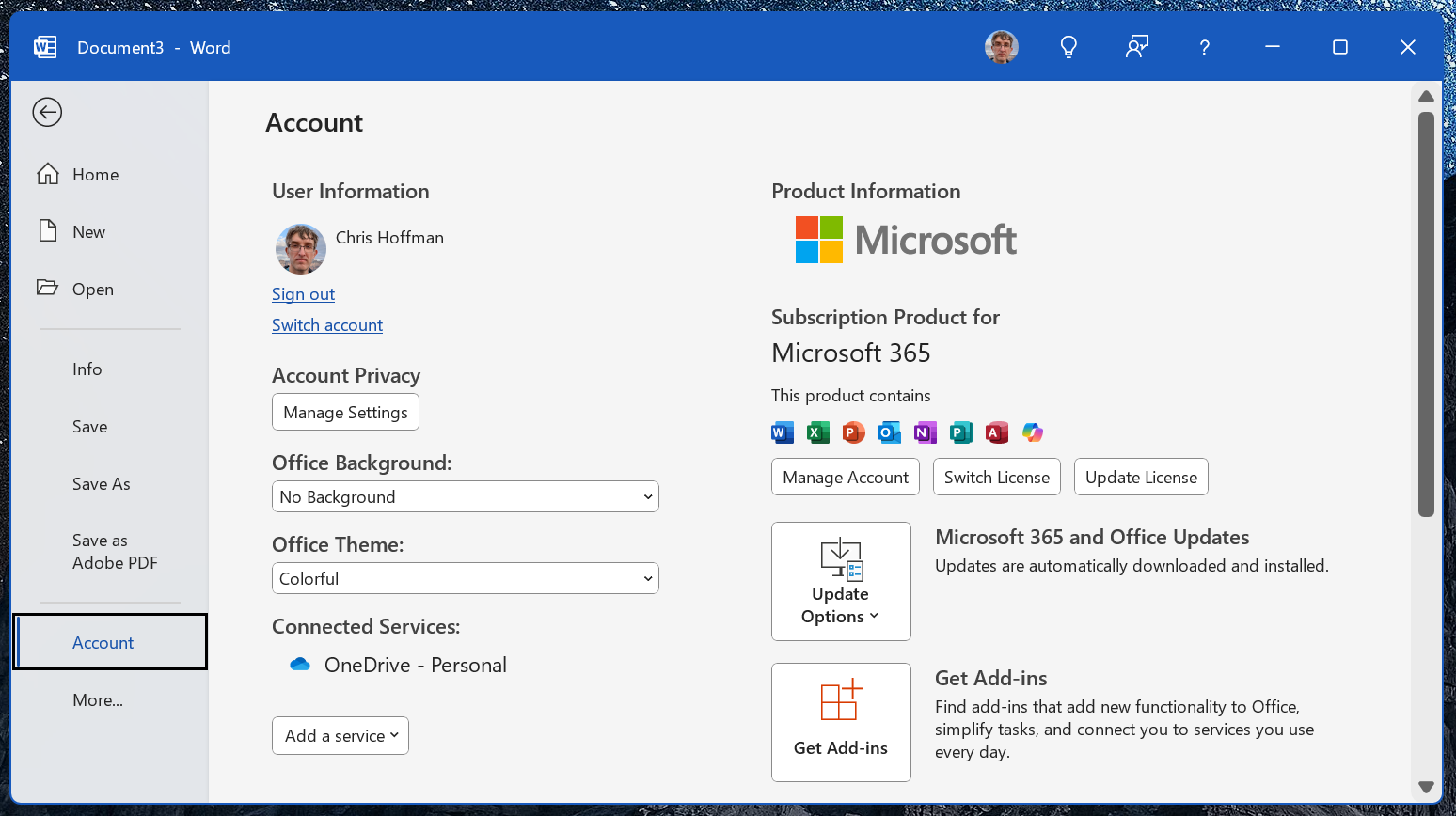
    Ensure your Microsoft Office suite receives timely security updates to fortify it against potential threats. Validate the update settings within the Office app to guarantee uninterrupted protection.

    !Microsoft Office update settings

    Windows Security Boost #7: Check Whether Your Apps Are Current

    Stay vigilant against security vulnerabilities by confirming that your apps, especially those managed by the Store, are regularly updated. Leverage tools like the winget command or UniGetUI to manage app updates efficiently.

    Windows Security Boost #8: Activate Isolation

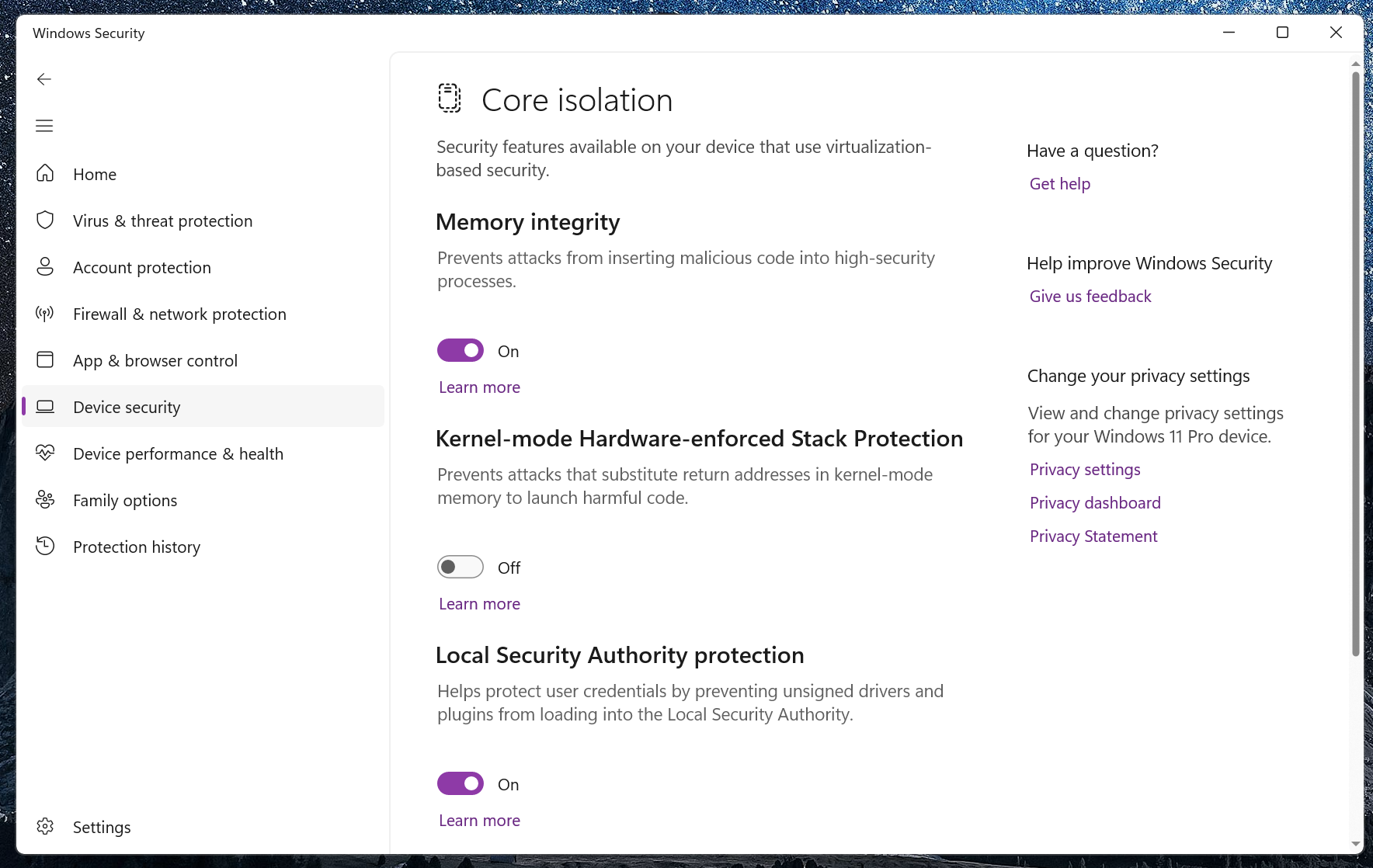
    Strengthen your system’s core with Windows’ built-in system hardening features. Activate Core Isolation through the Windows Security app to fortify the kernel against potential exploits.

    !Windows core isolation settings

    Windows Security Boost #9: Start Sandboxing

    Isolate risky software using the Windows Sandbox feature, creating a secure testing environment within your system. Ideal for Professional Windows editions, this tool offers a safe space to run programs without jeopardizing your system’s security.

    Windows Security Boost #10: Consider Tighter Protection Settings

    Dive into Windows Security settings to fine-tune exploit protection mechanisms. Ensure that anti-exploit features are active to fortify your system against potential cyber-attacks.

    In conclusion, by implementing these ten practical strategies, you can fortify your Windows system against a myriad of cyber threats, safeguarding your data and privacy effectively. Stay proactive in enhancing your security measures to navigate the digital landscape with confidence and peace of mind.

  • SonicWall NetExtender Trojan and ConnectWise Exploits Used in Remote Access Attacks

    In recent cybersecurity news, a concerning trend has emerged involving the exploitation of remote access tools by malicious actors. One such instance involves the distribution of a trojanized version of SonicWall’s SSL VPN NetExtender application. This deceptive tactic aims to steal credentials from users who inadvertently install the compromised software.

    SonicWall’s NetExtender is a widely used application that allows remote users to securely connect to their company’s network. This tool facilitates essential tasks such as accessing network drives, uploading and downloading files, and running applications. However, threat actors have weaponized this trusted software, using it as a vehicle to harvest sensitive information from unsuspecting victims.

    The implications of this tactic are significant. By compromising a legitimate remote access tool like NetExtender, cybercriminals can gain unauthorized access to corporate networks, potentially exfiltrating valuable data or deploying further malicious activities within the system. This underscores the critical importance of vigilance and robust security measures in defending against such attacks.

    Moreover, alongside the SonicWall NetExtender exploit, another alarming development involves the misuse of ConnectWise, a popular remote monitoring and management platform. This exploitation further underscores the evolving sophistication of cyber threats and the diverse attack vectors that organizations must guard against.

    As IT and development professionals, it is crucial to stay informed about these emerging threats and take proactive steps to secure remote access infrastructure. Implementing multi-factor authentication, regularly updating software and security patches, and conducting thorough security audits are essential practices to mitigate the risk of falling victim to such exploits.

    The convergence of these incidents highlights the ever-present need for a comprehensive approach to cybersecurity. By staying abreast of current threats, adopting best practices, and fostering a culture of security awareness within organizations, we can fortify our defenses against remote access attacks and safeguard sensitive data from malicious actors.

    In conclusion, the recent incidents involving the trojanized SonicWall NetExtender and ConnectWise exploits serve as stark reminders of the persistent cybersecurity challenges faced by businesses and individuals alike. By remaining vigilant, proactive, and informed, we can collectively strengthen our cybersecurity posture and protect against the evolving threats in the digital landscape.

  • SonicWall NetExtender Trojan and ConnectWise Exploits Used in Remote Access Attacks

    In recent cybersecurity news, a concerning trend has emerged involving the exploitation of remote access tools like SonicWall NetExtender and ConnectWise by malicious actors. This illicit activity underscores the importance of vigilance and robust security measures in the realm of IT and software development.

    Unknown threat actors have been deploying a trojanized version of SonicWall’s SSL VPN NetExtender application to perpetrate credential theft against unsuspecting users. This malicious tactic preys on individuals who may have innocently installed the compromised software, thereby granting unauthorized access to sensitive information.

    SonicWall researcher Sravan Ganachari highlighted the significance of NetExtender in facilitating secure remote connections for users. This tool empowers individuals to access company networks, run applications seamlessly, transfer files, and leverage network resources. However, the exploitation of such a fundamental utility underscores the evolving sophistication of cyber threats in today’s digital landscape.

    Moreover, the exploitation extends to ConnectWise, a prominent remote access solution used by many organizations. By targeting vulnerabilities within these platforms, threat actors can compromise data integrity, disrupt operations, and inflict substantial financial and reputational damage.

    In response to these threats, it is imperative for IT and development professionals to adopt a proactive stance towards cybersecurity. Implementing multifaceted security protocols, conducting regular audits, and staying abreast of emerging threats are paramount in safeguarding digital assets and preserving operational continuity.

    Furthermore, fostering a culture of cybersecurity awareness among employees is crucial in mitigating the risks associated with remote access exploits. Training sessions, simulated phishing exercises, and clear communication on security best practices can fortify the human firewall against social engineering tactics employed by malicious actors.

    Collaboration with trusted cybersecurity partners and leveraging threat intelligence resources can also enhance an organization’s resilience against remote access attacks. By pooling collective expertise and insights, industry stakeholders can proactively identify, mitigate, and respond to evolving cyber threats in a coordinated manner.

    As the digital landscape continues to evolve, the onus is on IT and development professionals to adapt, innovate, and fortify defenses against emerging threats. By fostering a culture of cybersecurity vigilance, embracing proactive security measures, and cultivating a collaborative ecosystem, organizations can navigate the complexities of remote access security with confidence and resilience.

    In conclusion, the recent exploits targeting SonicWall NetExtender and ConnectWise underscore the critical importance of proactive cybersecurity measures in safeguarding remote access environments. By remaining vigilant, informed, and proactive, IT and development professionals can effectively mitigate risks, protect sensitive data, and uphold the integrity of organizational networks in an ever-evolving threat landscape.

  • This is (probably) the unreleased Google Pixel Tablet Pen

    Unveiling the Google Pixel Tablet Pen: A Glimpse into the Unreleased

    Google’s journey with Android tablets has been a rollercoaster of innovation and near misses. From the ambitious beginnings with BumpTop to the introduction of Android 3.0 Honeycomb, Google has always pushed boundaries in the tablet space. However, the Pixel Tablet saga took a different turn, with Google initially pivoting away from tablets to focus on laptops.

    Fast forward to 2023, Google made a surprising return to the tablet arena with the Pixel Tablet. Initially designed as a smart-home control panel with passive tablet features, the device hinted at a new direction for Android tablets. The Pixel Tablet aimed to blur the lines between traditional tablets and desktop systems, boasting a unique Android desktop mode and rumored keyboard and stylus accessories.

    The Unseen Gem: Google Pixel Tablet Pen

    The Pixel Tablet Pen, a companion to the Pixel Tablet, was a part of Google’s bold vision for tablet productivity. Although the second-gen Pixel Tablet was reportedly canceled, the Pixel Tablet Pen provides a glimpse into the unrealized potential of Google’s tablet ecosystem.

    The Pixel Tablet Pen, with its sleek design and “Designed by Google” logo, is a testament to Google’s commitment to innovation. Featuring a precise tip and a Google-branded button, the stylus promises a seamless writing and editing experience on the Pixel Tablet.

    A Peek into the Future: Android Desktop Mode

    The Pixel Tablet Pen’s integration with Android’s desktop mode hints at a future where tablets can double as full-fledged computing devices. The stylus’s smooth performance on the Pixel Tablet’s screen showcases its potential for creative tasks and productivity.

    While the Pixel Tablet Pen’s quick note-taking feature may require future software updates, its magnetic attachment to the tablet and case demonstrates thoughtful design. Google’s efforts to bridge the gap between Android and desktop productivity underscore its commitment to evolving the Android ecosystem.

    Closing Thoughts

    As we reflect on the Google Pixel Tablet Pen and its role in the ever-changing landscape of Android tablets, we are reminded of the endless possibilities that technology offers. While the Pixel Tablet Pen may remain an unreleased gem, it serves as a symbol of Google’s innovative spirit and its ongoing quest to redefine the boundaries of mobile computing.

    In a world where technology continues to shape our daily lives, the Google Pixel Tablet Pen stands as a testament to the power of imagination and innovation. While we may never experience its full potential, the Pixel Tablet Pen remains a beacon of creativity in the realm of digital devices.