Blog

  • Small Business Owners Say They’re Worse Off Than During Covid, Here’s Why

    The challenges faced by small and medium-sized businesses (SMEs) have been magnified by recent economic shifts, leaving many entrepreneurs feeling more vulnerable than they did during the height of the Covid-19 pandemic. A report highlighted in a recent article on TechRound reveals that over half of the UK’s SMEs are on the brink of closure if costs continue to escalate.

    The repercussions of the global health crisis have been manifold, with businesses scrambling to adapt to ever-changing circumstances. While some managed to weather the storm during the initial waves of lockdowns, the current landscape presents a new set of obstacles that threaten their very existence.

    One of the primary reasons cited for this precarious situation is the persistent increase in costs. From supply chain disruptions to rising inflation, SMEs are grappling with a myriad of financial pressures that are pushing them to the brink. The report underscores the urgent need for strategic interventions to prevent a wave of closures that could have far-reaching implications for the economy.

    Moreover, the uncertainty surrounding government support schemes and financial assistance adds another layer of complexity to the predicament faced by SMEs. As these lifelines gradually phase out, businesses are left to fend for themselves in an environment that remains volatile and unpredictable.

    In this challenging climate, innovation and resilience are more crucial than ever. SME owners must explore creative solutions, streamline operations, and leverage technology to enhance efficiency and drive growth. Collaboration with industry peers and fostering a sense of community can also provide much-needed support and insights to navigate these turbulent waters.

    As we navigate the aftermath of the pandemic, it is imperative for policymakers, financial institutions, and business leaders to rally together in support of SMEs. By fostering a conducive environment for growth, providing targeted assistance, and fostering a culture of entrepreneurship, we can help small businesses not only survive but thrive in a post-pandemic world.

    The road ahead may be fraught with challenges, but it is also paved with opportunities for those willing to adapt and innovate. By standing in solidarity with SMEs and offering them the resources and guidance they need, we can pave the way for a more resilient and prosperous business landscape for all.
  • 7 devices we’re expecting at Google’s Pixel 10 launch, and 3 we’re not

    With the tech world abuzz with recent phone launches, the spotlight now shifts towards Google and its highly anticipated Pixel 10 series. While Apple gears up for its iPhone 17 release in September, Google is set to unveil its latest offerings at an event rumored for August 20. Excitement is mounting as speculations point towards not just one or two but a whopping seven new devices expected to make their debut. Let’s delve into what we can expect from Google’s upcoming Pixel 10 launch.

    Pixel 10: The Flagship Contender

    Google is poised to release four flagship phones under the Pixel 10 series, with the standard Pixel 10 anticipated to be the most budget-friendly option. Running on Google’s new Tensor G5 chipset, the Pixel 10 is rumored to sport vibrant new color options, including the eye-catching Limoncello yellow. With enhancements like a potential telephoto camera and improved battery life, the Pixel 10 is set to impress tech enthusiasts.

    Pixel 10 Pro: Elevating the Pro Experience

    Building upon the success of its predecessor, the Pixel 10 Pro is expected to offer incremental upgrades, such as a sleek glossy frame and an extended camera module. A rumored boost to the display’s PWM frequency promises enhanced visual experiences without compromising user comfort. Although pricing details are yet to be confirmed, Google aims to maintain the appeal of the Pixel 10 Pro among consumers.

    Pixel 10 Pro XL: Bigger, Better, Bolder

    The Pixel 10 Pro XL is anticipated to retain its standout feature—a generous 6.8-inch display. With minor tweaks to battery capacity and charging speeds, Google aims to deliver a seamless user experience. However, the absence of built-in Qi2 wireless charging may disappoint some users. Despite this, Google is set to maintain competitive pricing for the Pixel 10 Pro XL.

    Pixel 10 Pro Fold: Unfolding Innovation

    Google’s foray into foldable technology continues with the Pixel 10 Pro Fold, offering subtle yet impactful upgrades over its predecessor. With a larger cover display and improved battery capacity, the Pixel 10 Pro Fold aims to set new standards in foldable devices. The addition of an IP68 rating underscores Google’s commitment to durability and user convenience.

    Pixel Watch 4: Time for a Smart Upgrade

    The fourth iteration of Google’s smartwatch, the Pixel Watch 4, is poised to introduce advanced features like a new Qualcomm Snapdragon W5 Gen 2 chipset and Wear OS 6 software. Health tracking capabilities, including arterial stiffness and blood pressure monitoring, promise to elevate the fitness tracking experience. Combined with dual-band GPS technology, the Pixel Watch 4 is set to be a compelling choice for fitness enthusiasts.

    Pixel Buds 2a: Affordable Audio Excellence

    Following the success of the original Pixel Buds A, Google is gearing up to unveil the Pixel Buds 2a, offering an affordable alternative in the wireless earbuds market. With an array of color options and potential pricing details, Google aims to cater to budget-conscious consumers without compromising on quality. The upcoming launch of the Pixel Buds 2a is eagerly anticipated by tech enthusiasts.

    Pixel Wireless Charger: Powering Up the Pixel Ecosystem

    Rounding out the expected lineup is the Pixel Wireless Charger, set to complement Google’s device ecosystem. Speculations suggest the introduction of a MagSafe-style charging puck and a wireless charger successor to the second-generation Pixel Stand. While details remain scarce, Google’s focus on enhancing the charging experience for its devices is evident.

    Conclusion

    As the tech world eagerly awaits Google’s Pixel 10 launch event, the anticipation surrounding the expected devices continues to grow. With innovations across smartphones, wearables, and accessories, Google is poised to redefine user experiences in the digital realm. Stay tuned for more updates on Google’s groundbreaking devices as they set the stage for the future of technology.

  • 7 devices we’re expecting at Google’s Pixel 10 launch, and 3 we’re not

    The anticipation for Google’s upcoming Pixel 10 launch is reaching a fever pitch, with expectations running high for a slew of new devices. From flagship phones to innovative accessories, the tech community is buzzing with excitement. Let’s delve into what we can expect at this highly anticipated event.

    Devices We’re Expecting:

    #### 1. Pixel 10

    The cornerstone of the event, the Pixel 10 series promises cutting-edge features like the new Tensor G5 chipset and vibrant color options. With enhancements in battery life and charging speeds, this device is set to impress.

    #### 2. Pixel 10 Pro

    Building on the success of its predecessor, the Pixel 10 Pro is rumored to offer subtle improvements like a refined design and enhanced display technology. With a focus on premium features, this device aims to cater to tech enthusiasts.

    #### 3. Pixel 10 Pro XL

    For those seeking a larger-than-life experience, the Pixel 10 Pro XL delivers with its expansive display and improved battery capacity. While wireless charging may not be on the menu, this device promises a seamless user experience.

    #### 4. Pixel 10 Pro Fold

    Google’s foray into foldable phones continues with the Pixel 10 Pro Fold. Boasting a robust chipset and enhanced display options, this device is poised to compete with other foldable offerings in the market.

    #### 5. Pixel Watch 4

    The latest iteration of Google’s smartwatch lineup, the Pixel Watch 4, is expected to feature advanced health tracking capabilities and improved performance. With a sleek design and upgraded software, this wearable is sure to turn heads.

    #### 6. Pixel Buds 2a

    Affordable yet feature-packed, the Pixel Buds 2a promise a blend of style and functionality. With a range of vibrant color options and potential price adjustments, these wireless earbuds cater to budget-conscious consumers.

    #### 7. Pixel Wireless Charger

    Completing the ecosystem, the Pixel Wireless Charger is rumored to offer convenient charging solutions for Google devices. With a focus on efficiency and ease of use, this accessory is set to streamline the charging experience.

    Devices We’re Not Expecting:

    #### 1. Pixel Tablet 2

    Despite previous iterations, a Pixel Tablet 2 seems unlikely to make an appearance at the event. Concerns over sales performance may have led to its cancellation, leaving fans speculating about the future of Google’s tablet offerings.

    #### 2. Pixel 10a

    While a mid-range Pixel 10a is in the works, it’s unlikely to debut alongside the flagship Pixel 10 series. With a typical release pattern, Google is expected to unveil the Pixel 10a at a later date to cater to a different market segment.

    #### 3. Pixel Buds Pro 3

    Following a two-year update cycle, a third generation of Pixel Buds Pro is not on the horizon. With the focus on the rumored Pixel Buds 2a, Google seems to be pacing its premium earbud releases strategically.

    In conclusion, the Google Pixel 10 launch is shaping up to be a significant event in the tech world. With a diverse lineup of devices on the horizon, Google is poised to make a splash with its latest offerings. Stay tuned for more updates as the event draws near.

  • From ‘P@ssw0rd’ to payday: weak credentials threaten financial systems

    From ‘P@ssw0rd’ to Payday: Weak Credentials Threaten Financial Systems

    In the digital age, where financial transactions are conducted online more than ever before, the security of our financial systems is paramount. However, a concerning trend has emerged – weak and easily guessable passwords are putting financial institutions at risk. Despite handling vast sums of money and safeguarding highly sensitive data, many of these institutions are still using outdated and vulnerable passwords like ‘P@ssw0rd’.

    Recent research conducted by NordPass in collaboration with NordStellar sheds light on this critical issue. The implications of weak passwords in the financial sector are staggering. They not only jeopardize individual accounts but also pose a significant threat to the entire financial ecosystem. Imagine the chaos that could ensue if a hacker gained access to a bank’s systems due to a weak password.

    It’s crucial for financial institutions to recognize the importance of robust password security measures. Implementing strong password policies, such as requiring a combination of uppercase and lowercase letters, numbers, and special characters, is a fundamental step towards enhancing security. Additionally, encouraging frequent password changes and enabling multi-factor authentication can further fortify defenses against cyber threats.

    The consequences of overlooking password security in the financial sector can be catastrophic. Data breaches resulting from weak credentials can lead to financial loss, reputational damage, and legal ramifications. Customers trust banks and financial institutions to keep their personal and financial information safe. Any breach of this trust can have far-reaching implications for both the institution and the individuals affected.

    In an era where cyber threats are constantly evolving, staying ahead of potential risks is imperative. Financial institutions must invest in robust cybersecurity measures to protect their systems and data effectively. This means not only addressing password vulnerabilities but also staying informed about the latest security trends and technologies.

    As IT and development professionals, it is our responsibility to advocate for stronger password practices within the financial industry. By raising awareness about the risks associated with weak credentials and promoting best practices for password security, we can contribute to a safer digital financial landscape for everyone.

    In conclusion, the time to act is now. Strengthening password security in financial systems is not just a recommendation; it is a necessity. Let’s work together to eliminate ‘P@ssw0rd’ and similar weak passwords from our financial institutions, ensuring a more secure future for all.

  • From ‘P@ssw0rd’ to payday: weak credentials threaten financial systems

    From ‘P@ssw0rd’ to payday: weak credentials threaten financial systems

    In the fast-paced world of finance, where billions in transactions occur daily and highly sensitive data is constantly at risk, the security of systems is paramount. However, a concerning trend has emerged – the prevalence of weak and easily guessable passwords being used to safeguard these critical assets. Recent research conducted by NordPass in collaboration with NordStellar sheds light on the alarming reality facing many financial institutions today.

    Despite the ever-increasing sophistication of cyber threats, it is disheartening to discover that the first line of defense for many financial systems remains shockingly vulnerable. Passwords like ‘P@ssw0rd’ or ‘123456’ continue to be commonly used, providing cybercriminals with an open invitation to exploit these weak credentials and gain unauthorized access to sensitive financial data.

    The repercussions of such lax security practices are far-reaching and potentially catastrophic. From unauthorized fund transfers to identity theft, the implications of a security breach in the financial sector are dire. Not only do such incidents result in financial losses, but they also erode trust in financial institutions and can have lasting reputational damage.

    It is imperative for financial organizations to recognize the critical importance of robust password security measures. Implementing multi-factor authentication, enforcing password complexity requirements, and regularly updating passwords are essential steps to fortify defenses against malicious actors. Additionally, investing in advanced technologies such as biometric authentication can provide an added layer of security to protect sensitive financial information.

    Furthermore, fostering a culture of cybersecurity awareness among employees is crucial in mitigating the risks associated with weak passwords. Regular training sessions on password best practices, phishing awareness, and the importance of maintaining strong security protocols can empower staff to become proactive guardians of financial data.

    As the digital landscape continues to evolve, financial institutions must adapt and strengthen their cybersecurity posture to stay ahead of cyber threats. The onus is on these organizations to prioritize the security of their systems and data, recognizing that the cost of a security breach far outweighs the investment required to implement robust security measures.

    In conclusion, the prevalence of weak credentials poses a significant threat to the integrity of financial systems. By acknowledging the vulnerabilities associated with weak passwords and taking proactive steps to enhance security practices, financial institutions can safeguard against potential cyber threats and uphold the trust of their customers. It is time for the financial sector to prioritize cybersecurity and fortify its defenses in the face of evolving cyber risks.

    References:

    – Tech Digest – From ‘P@ssw0rd’ to payday: weak credentials threaten financial systems

    – How to protect your financial information online?

    – Study exposes simple passwords fuelling data breaches

    – Microsoft Authenticator app to lose password management features

  • Debug Like a Pro in 2025: 10 New Eclipse Java Debugger Features to Enhance Your Productivity (With Spring Boot Examples)

    Debug Like a Pro in 2025: Unveiling 10 New Eclipse Java Debugger Features

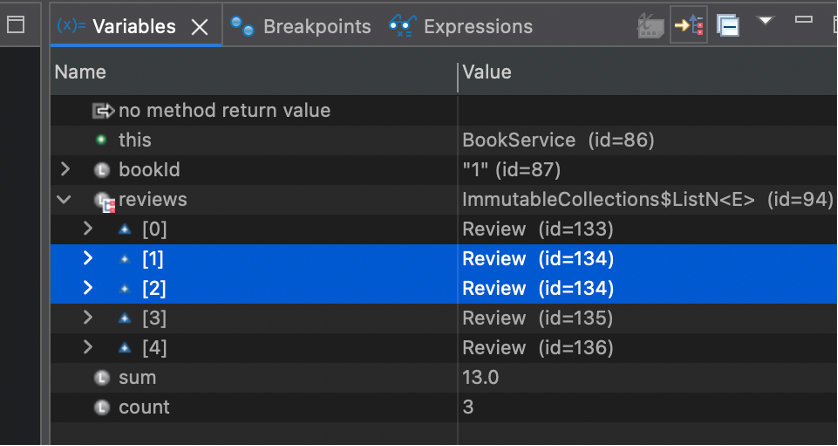
    Picture this: you’re knee-deep in code, unraveling a bug that’s wreaking havoc on your ratings endpoint. As you delve into the BookService.getAverageRating(String) method, the Variables view reveals a troubling sight—a user’s review duplicated, potentially sabotaging your ratings system. Your instinct kicks in: “Could switching from a List to a Set resolve this? But where is this variable even defined in this labyrinth of code?”

    1. Simplified Variable Tracking

    Navigating the tangled web of repeated variable names can be a nightmare. With Eclipse Java Debugger’s new feature, swiftly locating variable declarations across your project becomes a breeze. No more second-guessing or losing track amidst repetitive names.

    In this scenario, imagine effortlessly pinpointing the origin of the troublesome reviews variable. Visualize the time saved and the precision gained, all thanks to Eclipse’s enhanced debugging capabilities.

    This feature isn’t just a time-saver; it’s a game-changer for productivity. By streamlining the debugging process, Eclipse empowers developers to swiftly identify and resolve issues, ultimately supercharging their efficiency.

    Stay tuned for the next feature unveiling, where we’ll explore how Eclipse’s latest enhancements can revolutionize your debugging experience.

    —

    By skillfully leveraging Eclipse’s innovative features, developers can elevate their debugging prowess to unparalleled heights. Stay ahead of the curve in 2025 with these cutting-edge tools at your disposal.

  • Debug Like a Pro in 2025: 10 New Eclipse Java Debugger Features to Enhance Your Productivity (With Spring Boot Examples)

    In the fast-paced world of software development, debugging remains a crucial skill for any IT professional. As we delve into 2025, mastering the art of debugging is more critical than ever. With the ever-evolving landscape of technology, developers need powerful tools to navigate complex codebases efficiently. This is where the Eclipse Java Debugger comes into play, offering a robust set of features to streamline the debugging process.

    Imagine you’re in the midst of troubleshooting a bug in your Java application, specifically related to inflated ratings on a particular endpoint. You set a breakpoint in a method within your BookService class and start stepping through the code. As you scrutinize the variables in the debugger’s view, you notice a recurring issue—an entry for the same user duplicated multiple times in the reviews list. This discovery prompts a thought: perhaps switching from a List to a Set could resolve this inconsistency. However, locating where the ‘reviews’ variable is declared proves to be a challenge in the sea of code.

    Here’s where the new Eclipse Java Debugger features come to the rescue, revolutionizing the way developers debug their applications. Let’s explore ten cutting-edge capabilities that will enhance your productivity and efficiency in debugging Java applications, with a focus on Spring Boot examples.

    1. Variable Declaration Navigation

    Have you ever found yourself lost in a maze of repeated variable names, struggling to pinpoint the exact declaration you need? The Eclipse Java Debugger now offers a seamless way to navigate variable declarations swiftly. By utilizing this feature, you can easily track down the source of a variable, saving precious time and minimizing confusion during debugging sessions.

    !Eclipse Java Debugger Variable Declaration

    This feature provides a visual representation of variable declarations, allowing you to identify and trace back to the origin of a specific variable with ease. By streamlining the process of locating variable declarations, developers can focus on resolving issues promptly and efficiently.

    Stay tuned for the next set of Eclipse Java Debugger features that will take your debugging skills to the next level in 2025.

  • How To Launch A Startup In Dakar, Senegal

    In the last couple of years, Dakar has proven to be one of West Africa’s most promising startup locations. Senegal’s vibrant capital city offers a unique blend of opportunities and challenges for aspiring entrepreneurs looking to make their mark in the tech industry. From its growing economy to the burgeoning tech scene, Dakar provides a fertile ground for innovative startups to thrive.

    When considering how to launch a startup in Dakar, Senegal, several key factors come into play. Understanding the local market dynamics, navigating regulatory frameworks, and building a strong network are essential steps to success. Let’s delve into some practical tips for entrepreneurs looking to establish their presence in this dynamic African city.

    • Market Research and Validation: Conducting thorough market research is crucial before launching a startup in Dakar. Understanding the needs and preferences of the local population will help you tailor your products or services to meet specific demands. Validate your business idea by seeking feedback from potential customers and industry experts to ensure its viability in the market.
    • Build a Strong Network: Networking plays a vital role in the success of any startup, and Dakar offers ample opportunities for entrepreneurs to connect with like-minded individuals, investors, and mentors. Attend industry events, join startup accelerators, and engage with local business communities to expand your network and gain valuable insights into the market.
    • Navigate Regulatory Environment: Familiarize yourself with the regulatory environment in Senegal to ensure compliance with local laws and regulations. Seek legal advice to understand the requirements for registering your business, obtaining licenses, and protecting your intellectual property rights. Building a solid legal foundation is essential for long-term growth and sustainability.
    • Access to Funding: Securing funding is often a challenge for startups, but Dakar has seen a rise in venture capital investments and angel investors looking to support innovative ideas. Explore funding opportunities through government grants, incubators, and crowdfunding platforms to finance your startup and fuel its growth.
    • Embrace Digital Innovation: With the increasing penetration of mobile technology and internet connectivity in Senegal, leveraging digital innovation is key to reaching a wider audience and scaling your startup. Develop a strong online presence, utilize social media marketing, and embrace e-commerce solutions to expand your customer base beyond Dakar.
    • Cultural Sensitivity: Understanding the cultural nuances and local business practices in Senegal is essential for building trust and credibility with your target audience. Tailor your marketing strategies and communication style to resonate with the cultural values of the Senegalese people, fostering strong relationships with customers and partners.

    By following these tips and leveraging the unique opportunities offered by Dakar, aspiring entrepreneurs can navigate the startup landscape in Senegal with confidence and drive business success. Remember, perseverance, adaptability, and a passion for innovation are key ingredients for building a thriving startup in Dakar, Senegal.

    In conclusion, Dakar’s emergence as a hub for startups in West Africa presents exciting prospects for entrepreneurs looking to launch their ventures in a dynamic and diverse market. With the right strategy, mindset, and support system, navigating the startup ecosystem in Dakar can lead to sustainable growth and success for ambitious innovators. So, if you’re considering launching a startup in Dakar, Senegal, seize the opportunity and embark on your entrepreneurial journey in this thriving African city.

  • How To Launch A Startup In Dakar, Senegal

    In the last couple of years, Dakar has proven to be one of West Africa’s most promising startup locations. Senegal’s capital city is buzzing with entrepreneurial energy, making it an ideal destination for tech-savvy individuals looking to launch their startup ventures. From its vibrant tech ecosystem to its supportive government initiatives, Dakar offers a wealth of opportunities for aspiring entrepreneurs.

    1. Embrace the Tech Ecosystem

    Dakar boasts a thriving tech ecosystem characterized by co-working spaces, incubators, and accelerators that provide valuable support to startups. Spaces like Jokkolabs and CTIC Dakar offer networking opportunities, mentorship, and access to resources essential for growth. By immersing yourself in Dakar’s tech community, you can tap into a pool of talented individuals, potential collaborators, and investors eager to support innovative ideas.

    2. Leverage Government Support

    Senegal’s government has demonstrated a commitment to fostering entrepreneurship through various initiatives and policies. The National Agency for the Promotion of Investment and Major Works (APIX) promotes foreign investment and provides support to startups. Additionally, the Emerging Senegal Plan focuses on developing key sectors like technology and innovation, offering incentives and funding opportunities for businesses in these areas.

    3. Identify Local Needs and Solutions

    Successful startups in Dakar are often those that address local challenges with innovative solutions. Conduct thorough market research to understand the needs and preferences of the Senegalese population. By developing products or services that cater to these specific demands, you can carve out a niche for your startup and establish a loyal customer base.

    4. Build a Strong Team

    Recruiting a skilled and diverse team is crucial for the success of your startup in Dakar. Look for individuals with a deep understanding of the local market, as well as expertise in areas like technology, marketing, and finance. By assembling a cohesive team with complementary skills, you can navigate challenges effectively and drive your business forward.

    5. Secure Funding

    Access to funding is a key factor in launching and scaling a startup in Dakar. Explore various avenues for funding, including angel investors, venture capital firms, and government grants. Pitch your business idea confidently, highlighting its unique value proposition and potential for growth. Securing adequate funding will provide the financial stability needed to execute your business plan effectively.

    6. Establish Partnerships

    Collaborating with local businesses, organizations, and institutions can enhance the visibility and credibility of your startup in Dakar. Partnering with established companies or industry associations can open doors to new opportunities, such as access to a wider customer base or distribution network. Building strong partnerships can also position your startup as a reputable player in the market.

    7. Stay Agile and Adapt

    The startup landscape in Dakar, like any other city, is dynamic and ever-evolving. To succeed in this competitive environment, you must remain agile and willing to adapt to changing market conditions. Continuously gather feedback from customers, monitor industry trends, and iterate on your business model as needed. By staying flexible and responsive, you can stay ahead of the curve and position your startup for long-term success.

    In conclusion, launching a startup in Dakar, Senegal, offers exciting opportunities for entrepreneurs seeking to make their mark in West Africa’s burgeoning tech scene. By leveraging the city’s tech ecosystem, government support, and local market insights, you can set the stage for a successful entrepreneurial journey. With the right strategy, team, and mindset, your startup in Dakar has the potential to thrive and make a meaningful impact on the region’s innovation landscape.

  • Google’s Pixel Watch 4 battery life fix may only be half a solution

    Google’s Pixel Watch 4 is on the horizon, but recent leaks suggest a familiar Snapdragon W5 Gen 1 chip will power it. While this chip may be outdated, Google plans to boost battery life in the upcoming smartwatch models.

    The Pixel Watch 4 is set to feature larger batteries, with the 41mm model sporting a 327mAh cell—a 7% increase from its predecessor. The 45mm version will house a 459mAh battery, 9% larger than the previous model.

    Despite these battery enhancements, the reliance on an older processor raises concerns about overall efficiency. The real game-changer would be a newer processor, like Google’s rumored Tensor chip for future iterations.

    While faster charging capabilities are a step in the right direction, a more advanced processor would address the core issue of power efficiency. As competitors advance with more efficient chips, Google’s focus on battery upgrades may only be a temporary fix.

    In conclusion, while the Pixel Watch 4’s battery improvements are welcome, the reliance on an outdated processor may limit its overall performance. To truly compete in the smartwatch market, Google should prioritize developing a more efficient processor for future models.