Blog

  • Female-founded semiconductor AI startup SixSense raises $8.5M

    Title: Breaking Barriers: How Female-founded Semiconductor AI Startup SixSense Secures $8.5M Investment

    In a landscape traditionally dominated by male entrepreneurs, the recent success of SixSense, a female-founded semiconductor AI startup, is a beacon of inspiration and innovation. With a focus on revolutionizing chip manufacturing, SixSense has raised an impressive $8.5 million in funding. This milestone not only underscores the company’s potential but also highlights the increasing recognition of female leaders in the tech industry.

    At the core of SixSense’s offering is an AI-powered platform designed to assist chip makers in preventing defects. By harnessing the power of artificial intelligence, SixSense enables manufacturers to enhance the quality and reliability of their semiconductor products. This technology not only streamlines production processes but also contributes to cost savings and improved overall efficiency.

    The recent investment in SixSense, led by Peak XV’s Surge (formerly Sequoia India & SEA), signifies a strong vote of confidence in the startup’s vision and capabilities. Peak XV’s Surge is renowned for its strategic investments in cutting-edge technology companies, and its support further validates SixSense’s position as a disruptive force in the semiconductor industry.

    With the backing of Peak XV’s Surge, SixSense is poised to accelerate its growth trajectory and expand its reach within the semiconductor market. The infusion of $8.5 million will provide the startup with the necessary resources to drive product development, scale operations, and pursue new business opportunities. This investment not only fuels SixSense’s ambitions but also underscores the immense potential of AI-driven solutions in transforming traditional industries.

    The success of SixSense serves as a testament to the power of diversity and inclusion in driving innovation. As a female-founded startup making waves in a male-dominated sector, SixSense challenges stereotypes and paves the way for more women to enter and excel in the tech industry. By combining expertise, creativity, and perseverance, SixSense exemplifies how diversity fuels creativity and propels businesses to new heights.

    In an era where technology is reshaping industries at an unprecedented pace, startups like SixSense are at the forefront of driving meaningful change. By leveraging AI to optimize semiconductor manufacturing processes, SixSense is not only enhancing product quality but also shaping the future of the industry. This innovative approach underscores the transformative potential of AI in revolutionizing traditional domains.

    As SixSense continues to chart new territories and redefine the boundaries of semiconductor technology, its recent funding milestone marks a significant step towards achieving its vision. With Peak XV’s Surge’s support, SixSense is well-positioned to drive innovation, disrupt the status quo, and set new benchmarks for excellence in the semiconductor sector. The journey of SixSense exemplifies the power of perseverance, vision, and unwavering dedication to pushing the boundaries of what is possible in technology.

    In conclusion, the success of SixSense underscores the transformative impact of AI in semiconductor manufacturing and the pivotal role of diversity in fostering innovation. As the tech industry continues to evolve, startups like SixSense exemplify the spirit of entrepreneurship, resilience, and forward thinking that drive progress and shape the future of technology. With its recent funding milestone, SixSense is poised to redefine the semiconductor landscape and inspire the next generation of tech leaders.

  • New Open Source Tool Subtrace Brings Network Analysis to Container Environments

    Unlocking Network Insights in Container Environments with Subtrace

    In the fast-paced realm of containerized applications, understanding and troubleshooting network traffic is a critical aspect of maintaining performance and security. Y Combinator startup Subtrace is making waves with the release of their new open-source tool designed to tackle this challenge head-on.

    Introducing Subtrace: Your Network Analysis Companion

    Imagine having a tool at your disposal that offers deep insights into network activities within Docker and Kubernetes environments. This is precisely what Subtrace brings to the table. Dubbed as the “Wireshark for Containers,” this tool empowers developers and system administrators to unravel the complexities of network communication within their containerized applications.

    Simplifying Network Debugging with Subtrace

    One of the standout features of Subtrace is its ability to simplify network debugging processes. By providing a user-friendly interface and comprehensive data visualization, Subtrace enables users to quickly identify and resolve network issues. Whether you are dealing with latency issues, packet drops, or unexpected traffic patterns, Subtrace equips you with the insights needed to take swift and informed action.

    Enhancing Visibility and Control

    In today’s dynamic IT landscape, visibility and control over network traffic are paramount. Subtrace not only offers detailed insights into network activities but also empowers users to exert control over their container environments. By leveraging Subtrace’s capabilities, you can optimize network performance, enhance security protocols, and ensure seamless communication across your applications.

    Real-World Applications of Subtrace

    Let’s delve into a practical scenario to illustrate the impact of Subtrace in a real-world setting. Imagine a scenario where a containerized application is experiencing intermittent connectivity issues. With Subtrace, you can swiftly pinpoint the root cause of these issues by analyzing network traffic patterns, identifying bottlenecks, and implementing targeted solutions. This level of granular visibility is invaluable in ensuring the smooth operation of your containerized applications.

    Embracing Open Source Innovation

    As an open-source tool, Subtrace embodies the spirit of collaboration and innovation within the tech community. By making its features accessible to developers worldwide, Subtrace not only facilitates knowledge sharing but also paves the way for continuous improvement and refinement. The transparency of its codebase fosters a culture of trust and empowerment, allowing users to customize and enhance the tool to suit their specific requirements.

    The Future of Network Analysis in Container Environments

    With the release of Subtrace, the landscape of network analysis in container environments is set to undergo a significant transformation. By providing a powerful yet user-friendly solution for network debugging, Subtrace empowers IT professionals to navigate the complexities of containerized applications with confidence and ease. As container adoption continues to surge, tools like Subtrace will play a pivotal role in ensuring the optimal performance and security of modern IT infrastructures.

    In Conclusion

    In conclusion, Subtrace emerges as a game-changer in the realm of network analysis for container environments. Its intuitive interface, robust feature set, and open-source nature position it as a valuable asset for IT professionals seeking to enhance their network monitoring and debugging capabilities. By embracing the power of Subtrace, you can unlock a new level of insight into your containerized applications and pave the way for seamless, efficient, and secure network communication. Experience the future of network analysis with Subtrace today!

    —

    Image Source: InfoQ

  • New Open Source Tool Subtrace Brings Network Analysis to Container Environments

    Unlocking the Power of Network Analysis in Container Environments with Subtrace

    In the fast-paced world of containerized applications, maintaining optimal network performance is crucial for seamless operations. The emergence of Subtrace, an innovative open-source tool from Y Combinator startup, promises to revolutionize network analysis in Docker and Kubernetes environments. With its resemblance to the widely acclaimed Wireshark, Subtrace offers a user-friendly solution to dissect and troubleshoot network traffic within container ecosystems.

    Solving the Network Puzzle

    Container environments, with their dynamic nature and rapid scalability, present unique challenges when it comes to monitoring and analyzing network activities. Traditional tools often fall short in providing granular insights into the intricate web of connections that underpin these environments. This is where Subtrace steps in, offering a comprehensive approach to network analysis that empowers developers and IT professionals to identify and resolve issues with precision.

    Streamlining Network Debugging

    Gone are the days of grappling with complex network setups and obscure traffic patterns. Subtrace simplifies the debugging process by providing a clear view of network interactions within containers. By visualizing data flows and isolating potential bottlenecks, users can streamline troubleshooting efforts and enhance the overall performance of their containerized applications. This level of transparency is invaluable in optimizing resource utilization and ensuring seamless communication between microservices.

    Embracing Open Source Innovation

    One of the standout features of Subtrace is its open-source nature, fostering collaboration and innovation within the developer community. By making the tool freely accessible, the creators aim to democratize network analysis and empower users to customize and extend its capabilities according to their specific requirements. This collaborative approach not only accelerates problem-solving but also cultivates a culture of knowledge sharing and continuous improvement.

    Real-World Applications

    Consider a scenario where a Kubernetes cluster experiences intermittent latency issues. With Subtrace, administrators can delve into the network traffic between pods, pinpointing the source of delays and optimizing data flow for improved performance. Similarly, developers can use the tool to validate network policies, detect unauthorized access attempts, and ensure compliance with security protocols. By incorporating Subtrace into their workflow, IT teams can proactively address network-related challenges and uphold the integrity of their container environments.

    Looking Ahead

    As containerization continues to gain traction across industries, the need for robust network analysis tools becomes increasingly apparent. Subtrace stands at the forefront of this evolution, offering a sophisticated yet accessible solution for unraveling the complexities of container networking. By harnessing the power of open source innovation, Subtrace not only enriches the developer toolkit but also paves the way for a more interconnected and resilient digital landscape.

    In conclusion, Subtrace represents a significant milestone in the realm of network analysis, bridging the gap between container environments and actionable insights. Its intuitive interface, coupled with powerful debugging capabilities, positions it as a must-have tool for anyone operating in the realm of Docker and Kubernetes. Embrace the future of network analysis with Subtrace and elevate your containerized applications to new heights of efficiency and reliability.

  • Amazon CEO wants to put ads in your Alexa+ conversations

    In recent news, Amazon is making waves in the tech world yet again. The e-commerce giant, known for its innovative products and services, is now considering a bold move that could potentially change the way we interact with one of its most popular devices: Alexa. Reports have surfaced that Amazon’s CEO, Andy Jassy, is eyeing a new revenue stream to support the substantial costs of AI infrastructure – by introducing advertisements into Alexa conversations under a new service called Alexa+.

    Amazon has been heavily investing in AI infrastructure, pouring significant resources into enhancing the capabilities of its virtual assistant, Alexa. This move is part of the company’s broader strategy to stay at the forefront of AI technology and maintain its competitive edge in the rapidly evolving tech landscape. By introducing ads into Alexa conversations, Amazon aims to offset the costs associated with developing and maintaining the sophisticated AI systems that power the device.

    While the idea of ads in Alexa conversations may raise concerns among users about privacy and user experience, Amazon is likely to approach this strategically to ensure a seamless integration that adds value rather than disrupts the user experience. For example, ads could be tailored to users’ preferences and seamlessly woven into relevant conversations or responses from Alexa, providing users with useful information or offers that align with their interests.

    Moreover, incorporating ads into Alexa conversations could open up new opportunities for brands to engage with consumers in a more personalized and interactive manner. By leveraging the vast amount of data collected through Alexa interactions, advertisers could deliver targeted messages that resonate with users, creating a more engaging and relevant advertising experience.

    From a business perspective, the introduction of ads in Alexa conversations could represent a significant revenue stream for Amazon. By monetizing the interactions on its voice assistant platform, Amazon could not only offset the costs of AI infrastructure but also drive additional revenue growth, further solidifying its position in the AI and advertising sectors.

    As Amazon continues to push the boundaries of innovation with Alexa and other AI-powered technologies, the introduction of ads in Alexa conversations represents a strategic move to capitalize on the immense potential of voice-activated devices. While the idea may spark mixed reactions among users and industry experts, it underscores Amazon’s commitment to exploring new ways to monetize its technology investments and drive sustainable growth in the ever-evolving tech landscape.

    In conclusion, Amazon’s CEO, Andy Jassy, is steering the company towards a new frontier with the proposal to introduce ads in Alexa conversations through the Alexa+ service. This bold move not only reflects Amazon’s ambitious vision for AI technology but also signals a strategic shift towards monetizing its innovative products to drive revenue and sustain its leadership in the tech industry. As developments unfold, it will be fascinating to see how Amazon navigates the complexities of integrating ads into voice interactions while balancing user privacy, experience, and commercial interests in this dynamic digital era.

  • Amazon CEO wants to put ads in your Alexa+ conversations

    Amazon has been making headlines again, but this time it’s not for a new product launch or a groundbreaking AI development. The tech giant’s CEO, Andy Jassy, has set his sights on a controversial new venture: putting ads in your Alexa conversations. This bold move comes as Amazon continues to invest heavily in AI infrastructure, with Jassy looking for innovative ways to offset these costs.

    Imagine this scenario: you’re chatting with your Alexa device, asking about the weather or requesting your favorite playlist, when suddenly you hear a subtle advertisement for a new movie or a special deal on Amazon products. While the idea of ads invading our private conversations may raise some eyebrows, it could also open up a new revenue stream for Amazon and potentially lower the cost of premium services like Alexa+.

    By leveraging the vast amount of data collected from Alexa users, Amazon could tailor ads to individual preferences, making them more relevant and less intrusive. For example, if you frequently ask Alexa for recipes, you might hear ads for cooking utensils or ingredients. This targeted approach not only benefits advertisers but also enhances the user experience by providing personalized recommendations.

    However, the introduction of ads in Alexa conversations raises concerns about privacy and data security. Users may feel uneasy knowing that their interactions with Alexa are being monitored for advertising purposes. Amazon will need to address these apprehensions by being transparent about how data is collected and used, as well as giving users control over the ads they are exposed to.

    From a business perspective, this move could be a game-changer for Amazon. With the company’s increasing focus on AI and voice technology, integrating ads into Alexa conversations could help solidify its position in the market and drive revenue growth. As Jassy explores this new frontier, it will be crucial for Amazon to strike a balance between monetization and user trust.

    In conclusion, Amazon’s decision to explore ads in Alexa conversations reflects the evolving landscape of AI technology and digital advertising. While the prospect of hearing ads during everyday interactions may seem intrusive, it also presents an opportunity for Amazon to innovate and create a more sustainable business model for its AI initiatives. As the tech giant navigates this uncharted territory, it will be fascinating to see how users, advertisers, and regulators respond to this bold move by CEO Andy Jassy. Stay tuned for updates on this developing story.

  • Apple projects tariff costs will hit $1.1B next quarter

    Apple Projects Tariff Costs to Soar to $1.1 Billion in the Next Quarter

    Apple, the tech giant renowned for its innovative products, is facing a significant financial challenge in the form of tariff costs. The company recently announced that it expects these expenses to reach a staggering $1.1 billion in the upcoming quarter. This projection marks a notable increase from the $800 million hit recorded in the previous quarter.

    The escalation of tariff costs is a concerning development for Apple, as it could potentially impact the pricing of its popular devices. With tariffs adding substantial expenses to the production process, Apple may be forced to adjust prices to offset these additional costs. This scenario could, in turn, influence consumer behavior and overall market demand for Apple products.

    Moreover, the projected increase in tariff costs underscores the far-reaching implications of trade policies on the tech industry. As trade tensions persist between major economies, companies like Apple find themselves navigating a complex landscape of regulations and financial challenges. The ongoing trade disputes have created uncertainty and volatility, prompting companies to reevaluate their supply chains and cost structures.

    In response to the escalating tariff costs, Apple has been exploring various strategies to mitigate the impact on its bottom line. From renegotiating supplier contracts to diversifying production locations, the company is actively seeking solutions to navigate this challenging environment. However, the sheer magnitude of the projected $1.1 billion tariff hit highlights the scale of the challenge at hand.

    For IT and development professionals closely following Apple’s trajectory, the tariff cost projections serve as a poignant reminder of the interconnected nature of global markets. In an industry where supply chains span continents and trade policies shape business realities, staying informed and adaptable is key to weathering economic uncertainties. The fluctuations in tariff costs not only affect Apple’s financial outlook but also send ripples across the broader tech ecosystem.

    As Apple braces for the impact of heightened tariff costs, industry observers are keenly watching how the company will navigate this financial hurdle. Will Apple pass on the additional expenses to consumers through price adjustments, or will it absorb the costs to maintain market competitiveness? The forthcoming quarter will provide valuable insights into Apple’s strategic decisions and resilience in the face of economic challenges.

    In conclusion, Apple’s projection of a $1.1 billion tariff hit in the next quarter underscores the intricate interplay between trade policies, production costs, and consumer markets. As one of the most iconic players in the tech industry, Apple’s experience with tariff challenges offers valuable lessons for industry professionals. By staying attuned to these developments and understanding their implications, IT and development professionals can gain deeper insights into the evolving landscape of global trade and its impact on technology companies.

  • Apple projects tariff costs will hit $1.1B next quarter

    Apple, a tech giant that needs no introduction, is facing a new challenge on the horizon. Recent reports indicate that the company projects tariff costs to escalate to a staggering $1.1 billion in the upcoming quarter. This forecast marks a notable increase from the $800 million blow experienced in the previous quarter. The implications of such a substantial rise in tariff expenses are poised to impact not only Apple but also the broader tech industry as a whole.

    The escalation in tariff costs underscores the complex interplay between global economic policies and the operations of multinational corporations. Apple, known for its iconic products and innovative solutions, operates within a highly competitive landscape where even minor cost variations can have significant ripple effects. As the company navigates these heightened tariff expenses, it may need to reassess its pricing strategies, supply chain operations, and overall financial outlook to mitigate potential adverse impacts.

    One key aspect to consider in light of these escalating tariff costs is the potential trickle-down effect on consumers. Apple’s premium devices already come with a price tag that reflects their advanced technology and design. However, if the company decides to pass on some of the increased tariff expenses to customers, it could lead to higher prices for popular products such as iPhones, iPads, and MacBooks. This scenario raises questions about consumer purchasing behavior and brand loyalty in the face of price adjustments.

    Moreover, the broader tech industry is closely watching how Apple navigates this challenge, as it could set a precedent for other companies facing similar tariff-related cost pressures. The intricate web of global supply chains, manufacturing processes, and market dynamics means that tariff fluctuations can have far-reaching consequences across different sectors. Therefore, Apple’s strategic responses to managing and mitigating these escalating costs could offer valuable insights for industry peers and stakeholders.

    In response to the projected $1.1 billion tariff hit next quarter, Apple will likely explore a mix of short-term and long-term strategies to address this financial burden. From negotiating with suppliers to optimizing production processes and assessing pricing models, the company will need to deploy a multi-faceted approach to navigate this challenge effectively. Additionally, engaging in dialogue with policymakers and advocating for trade policies that promote a more stable and predictable business environment could be part of Apple’s broader strategy.

    As the tech landscape continues to evolve, with geopolitical factors adding layers of complexity, adaptability and resilience have become crucial attributes for companies like Apple. Navigating through uncertain terrain, whether in the form of tariff costs or other external pressures, requires a blend of strategic foresight, operational agility, and financial acumen. By staying attuned to market dynamics and proactively addressing challenges, Apple can not only weather the storm of escalating tariff costs but also emerge stronger and more resilient in the ever-changing tech industry.

    In conclusion, Apple’s projected $1.1 billion tariff hit next quarter serves as a stark reminder of the intricate connections between global economic policies and corporate bottom lines. As the company braces for this financial impact, the tech industry watches closely, seeking cues on how to respond to similar challenges. By adopting a strategic and proactive approach, Apple can navigate these turbulent waters and emerge as a beacon of resilience in an environment of uncertainty and change.

  • Google Labs Introduces Opal, a Visual Platform for Creating AI Mini-Apps

    Unlocking the Power of AI with Google Labs’ Opal

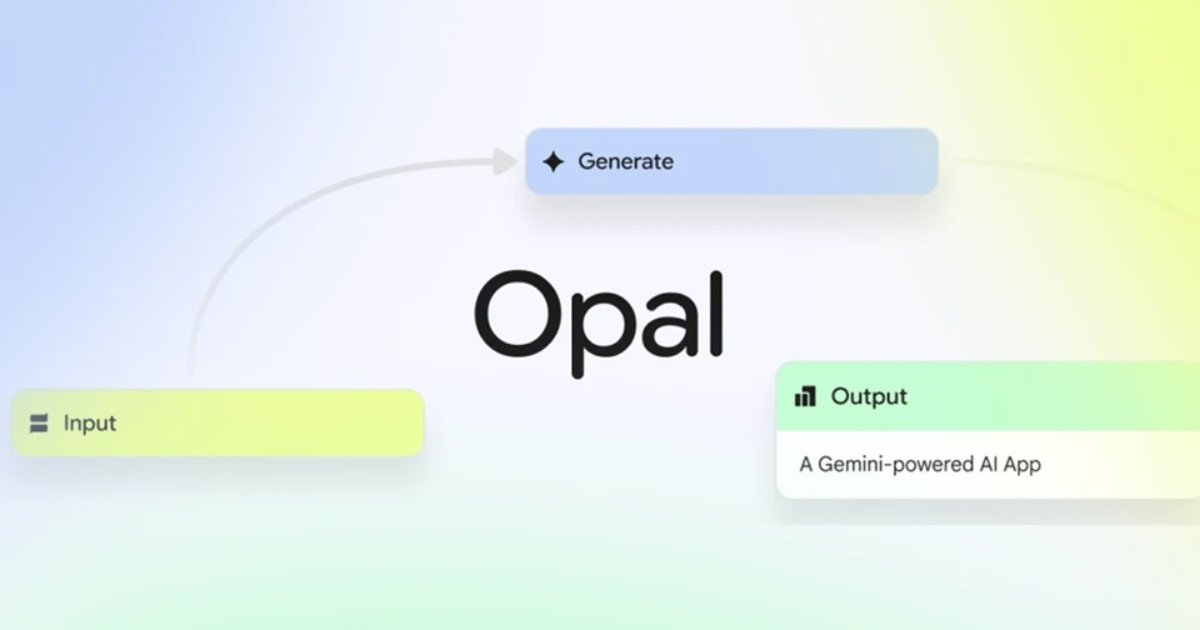
    In a groundbreaking move, Google Labs has unveiled Opal, a cutting-edge visual platform designed to revolutionize the creation of AI mini-applications. This innovative tool empowers users to harness the potential of artificial intelligence through intuitive natural language descriptions and a user-friendly visual workflow editor.

    Opal represents a significant leap forward in democratizing AI development, enabling individuals without extensive coding experience to seamlessly build AI-powered solutions. By bridging the gap between complex AI algorithms and user-friendly interfaces, Google Labs is empowering a new wave of creators to explore the possibilities of artificial intelligence in a simplified and accessible manner.

    One of the key features of Opal is its no-code approach, which eliminates the need for intricate programming knowledge. Instead, users can leverage the platform’s intuitive interface to articulate their ideas through natural language descriptions, allowing them to define the behavior and functionality of their AI mini-applications with ease.

    Moreover, the visual workflow editor provided by Opal offers a dynamic and interactive environment for users to design, test, and refine their AI models. This drag-and-drop interface streamlines the development process, enabling users to visualize the flow of data and logic within their applications effortlessly.

    With Opal, Google Labs is not just introducing a tool; it is fostering a community of innovators who can explore the realms of AI without being hindered by technical complexities. By empowering individuals to create AI mini-apps that cater to their unique needs and ideas, Opal is unlocking a new era of creativity and problem-solving in the realm of artificial intelligence.

    Furthermore, the introduction of Opal underscores Google’s commitment to driving innovation and accessibility in the field of AI development. By providing a platform that simplifies the creation of AI-powered applications, Google Labs is enabling a diverse range of users to tap into the transformative potential of artificial intelligence.

    In conclusion, Google Labs’ Opal represents a significant milestone in the evolution of AI development, offering a user-friendly and intuitive platform for creating AI mini-applications. By combining natural language descriptions with a visual workflow editor, Opal empowers users to explore the possibilities of artificial intelligence in a simplified and accessible manner. As we embrace this new era of AI innovation, Opal stands as a testament to the power of democratizing technology and fostering creativity in the digital age.

    Image Source: InfoQ

  • Google Labs Introduces Opal, a Visual Platform for Creating AI Mini-Apps

    Google Labs Unveils Opal: Revolutionizing AI App Development

    Google Labs has once again pushed the boundaries of innovation with the introduction of Opal. This cutting-edge tool is a game-changer in the realm of AI application development, offering users a seamless experience in creating AI-powered mini-apps. Opal stands out for its user-friendly interface, allowing individuals to craft sophisticated applications without the need for extensive coding knowledge.

    Opal’s key feature lies in its no-code functionality, empowering users to bring their AI app ideas to life through simple natural language descriptions. By bridging the gap between complex AI algorithms and intuitive design, Opal opens up a world of possibilities for developers and non-technical users alike. The visual workflow editor further enhances the user experience, providing a clear and structured framework for app creation.

    Imagine being able to design AI mini-applications with just a few clicks and keystrokes. With Opal, this vision becomes a reality. Whether you are a seasoned developer looking to streamline your workflow or a novice interested in exploring the potential of AI technology, Opal caters to individuals across all skill levels. By democratizing AI app development, Google Labs has paved the way for a more inclusive and accessible tech landscape.

    Opal’s impact extends far beyond its immediate utility. By simplifying the app development process, Google Labs has empowered a new wave of creators to explore the vast possibilities of AI technology. From personalized chatbots to predictive analytics tools, the potential applications of Opal are virtually limitless. This democratization of AI development not only fosters innovation but also drives the evolution of technology towards a more user-centric approach.

    In a world where technological advancements are reshaping industries at an unprecedented pace, tools like Opal serve as catalysts for progress. By streamlining the creation of AI mini-apps, Google Labs has set a new standard for accessibility and innovation in the tech sector. As Opal continues to gain traction within the developer community, we can expect to see a surge of creative solutions that leverage the power of AI in novel and impactful ways.

    In conclusion, Google Labs’ introduction of Opal marks a significant milestone in the realm of AI application development. By combining the power of natural language processing with a visual workflow editor, Opal has redefined the landscape of AI app creation. Whether you are an experienced developer or a tech enthusiast with a passion for innovation, Opal invites you to explore the endless possibilities of AI technology. Embrace the future of app development with Opal and unlock a world of creativity at your fingertips.

    So, are you ready to embark on this exciting journey with Opal? Let your imagination run wild and unleash the full potential of AI technology through this groundbreaking platform. The future of app development is here, and it’s more accessible and empowering than ever before. Let Opal be your gateway to a world of endless possibilities in AI application creation.

  • Reddit revenue soars as it bets on AI and advertising

    Reddit, the front page of the internet, has been making waves with its recent financial performance. In its Q2 earnings report, Reddit showcased a remarkable surge in revenue, signaling a strategic shift towards leveraging artificial intelligence (AI) and advertising to drive growth.

    The platform’s emphasis on AI is evident in its efforts to enhance user experience and engagement. By harnessing the power of AI, Reddit can analyze vast amounts of data to personalize content, recommend relevant posts, and target advertisements more effectively. This not only improves user satisfaction but also boosts advertising revenue by delivering more tailored and impactful campaigns.

    Moreover, Reddit’s increased focus on advertising highlights its commitment to monetizing its platform while providing value to advertisers. With its vast user base and diverse communities, Reddit offers a unique opportunity for brands to connect with highly engaged audiences in a more authentic and targeted manner. By refining its advertising offerings and optimizing ad placements through AI, Reddit is able to deliver better results for advertisers, driving up revenue in the process.

    The combination of AI and advertising represents a potent strategy for Reddit to capitalize on its strengths and unlock new revenue streams. By leveraging AI to enhance user experiences and optimize ad targeting, Reddit can create a more engaging and profitable platform for both users and advertisers alike. This dual approach not only drives revenue growth but also cements Reddit’s position as a key player in the digital advertising landscape.

    As Reddit continues to invest in AI and advertising, we can expect to see further innovations that enhance the platform’s capabilities and drive even greater revenue growth. By staying at the forefront of technology and embracing new opportunities for monetization, Reddit is poised to build on its recent success and solidify its position as a leading destination for online communities and brand engagement.

    In conclusion, Reddit’s Q2 earnings reflect a strategic shift towards AI and advertising as key drivers of revenue growth. By harnessing the power of AI to enhance user experiences and optimize ad targeting, Reddit is able to create a more engaging and profitable platform for users and advertisers alike. This focus on innovation and monetization underscores Reddit’s commitment to sustainable growth and long-term success in the competitive digital landscape.