Blog

  • How to Successfully Program an AI

    Programming AI: A Comprehensive Guide for Success

    Artificial intelligence (AI) has emerged as a powerhouse, revolutionizing industries such as healthcare, finance, and education. As the demand for AI solutions continues to soar, the ability to proficiently program AI has become an invaluable skill in the tech world. Whether you are a novice venturing into the realm of AI programming or an experienced developer looking to enhance your skills, this guide will equip you with the essential knowledge needed to create AI systems effectively from the ground up.

    Choosing the Right Tools and Techniques

    The foundation of a successful AI project lies in the selection of appropriate tools and techniques. The market is replete with a myriad of AI frameworks and libraries, each catering to specific needs and preferences. From TensorFlow and PyTorch to scikit-learn and Keras, the options can be overwhelming. It’s crucial to evaluate your project requirements and choose tools that align with your objectives.

    Furthermore, mastering fundamental AI concepts and techniques is imperative. Whether it’s machine learning algorithms, neural networks, or natural language processing, a strong grasp of these principles is essential for developing robust AI solutions. Investing time in understanding the intricacies of these techniques will undoubtedly pay off in the long run.

    Data: The Lifeblood of AI Systems

    In the realm of AI programming, data reigns supreme. The quality and quantity of data you feed into your AI model profoundly impact its performance. It’s vital to source, clean, and preprocess data meticulously to ensure optimal results. Additionally, data privacy and security should always remain at the forefront of your AI development process, especially in light of evolving data protection regulations.

    Moreover, staying abreast of the latest data trends and advancements, such as federated learning and synthetic data generation, can give you a competitive edge in developing cutting-edge AI systems. Remember, in the world of AI, data is not just a commodity—it’s the lifeblood that fuels innovation and drives progress.

    The Art of Implementation

    Translating theoretical knowledge into practical implementation is where the magic of AI programming happens. From model training and evaluation to deployment and monitoring, each phase of the AI development lifecycle demands attention to detail and precision. Leveraging version control systems like Git and adopting agile methodologies can streamline your development process and foster collaboration within your team.

    Furthermore, embracing continuous learning and upskilling is non-negotiable in the fast-paced world of AI programming. Engaging in online courses, attending workshops, and participating in hackathons are excellent ways to expand your AI skill set and stay ahead of the curve. Remember, the key to mastering AI lies not only in technical proficiency but also in a relentless pursuit of knowledge and innovation.

    Conclusion

    In conclusion, programming AI is a dynamic and rewarding journey that requires a blend of technical expertise, creativity, and perseverance. By making informed choices in tools, techniques, and data, and by honing your implementation skills, you can set yourself up for success in the ever-evolving landscape of artificial intelligence. So, roll up your sleeves, dive into the world of AI programming, and unleash your potential to create intelligent solutions that shape the future.

    Remember, in the realm of AI programming, the possibilities are limitless—what will you create next?

  • 7 Game-Changers Making Life Admin Effortless

    In the realm of managing life admin, a task often seen as a cumbersome burden, there are now game-changers emerging that promise to transform the way we handle our affairs. From streamlining legal preparations to simplifying financial management, these innovations are set to make our lives easier and more efficient.

    One key player in this arena is digital estate planning platforms. These tools offer a secure and convenient way to organize and manage crucial end-of-life documents, ensuring that your digital assets and final wishes are clearly communicated and easily accessible to your loved ones when the time comes.

    Moreover, the rise of AI-powered virtual assistants has revolutionized the way we tackle our daily tasks. These intelligent helpers can schedule appointments, set reminders, and even manage your finances, all with a simple voice command. By leveraging the power of artificial intelligence, these virtual assistants save time and reduce the mental load associated with managing various aspects of life admin.

    Another game-changer making waves in the realm of life admin is the advent of blockchain technology. Blockchain offers a secure and transparent way to store and manage important documents, such as contracts and financial records. By utilizing blockchain, individuals can ensure the integrity and authenticity of their data, reducing the risk of fraud and errors.

    Furthermore, the emergence of mobile banking apps has significantly simplified financial management for individuals. These apps allow users to track their expenses, set budgets, and make payments on the go, providing a convenient and hassle-free way to stay on top of their finances.

    In addition, cloud storage solutions have transformed the way we store and access important documents. With cloud storage, individuals can securely store their files online and access them from any device, anytime, anywhere. This not only reduces the need for physical paperwork but also ensures that important documents are never lost or misplaced.

    Moreover, the rise of secure password managers has enhanced digital security and streamlined the process of managing multiple online accounts. These tools securely store and auto-fill passwords, eliminating the need to remember numerous login credentials and enhancing overall online security.

    Lastly, the integration of e-signature platforms has revolutionized the way we handle legal documents and contracts. By enabling users to sign documents electronically, these platforms eliminate the need for printing, scanning, and mailing physical copies, saving time and simplifying the paperwork process.

    In conclusion, these game-changers are reshaping the landscape of life admin, offering innovative solutions to simplify and streamline the way we manage our affairs. By embracing these technologies and tools, individuals can reduce the stress and complexity associated with life admin tasks, allowing them to focus on what truly matters.

  • 7 Game-Changers Making Life Admin Effortless

    In today’s fast-paced world, staying on top of life admin can often feel like a never-ending battle. From managing finances to planning for the future, the sheer volume of tasks can be overwhelming. However, thanks to technological advancements, several game-changers are revolutionizing the way we handle life admin, making it more effortless and streamlined than ever before.

    • Digital Estate Planning Tools: Planning for end-of-life is a crucial task that often gets pushed aside. Digital tools now make it easier to organize wills, trusts, and other important documents online, ensuring that your digital assets are protected and your wishes are clearly outlined.
    • Legal Tech Solutions: Legal preparations can be complex and time-consuming. With the rise of legal tech solutions, services like online legal document platforms and virtual law firms are simplifying processes such as creating contracts, forming businesses, and handling other legal matters with ease.
    • Financial Management Apps: Keeping track of finances is a fundamental aspect of life admin. Financial management apps offer features like budget tracking, bill payment reminders, and investment portfolio management, empowering users to take control of their financial health effortlessly.
    • AI-Powered Personal Assistants: AI-powered personal assistants like Siri, Alexa, and Google Assistant are changing the way we manage our daily tasks. From setting reminders and scheduling appointments to answering queries and providing recommendations, these assistants make life admin more efficient and convenient.
    • Cloud Storage Solutions: Storing and organizing important documents is essential for effective life admin. Cloud storage solutions like Google Drive, Dropbox, and OneDrive offer secure storage options for documents, photos, and other digital assets, ensuring easy access from anywhere at any time.
    • Automation Tools: Automation tools streamline repetitive tasks, saving time and effort in managing life admin. From email automation platforms to task management apps, these tools help in automating workflows, setting reminders, and prioritizing tasks effectively.
    • Digital Health Trackers: Monitoring health and wellness is a key aspect of life admin. Digital health trackers like smartwatches and fitness apps enable users to track their physical activity, sleep patterns, and overall well-being, providing valuable insights for making informed decisions about health management.

    By leveraging these game-changers in life admin, individuals can navigate their daily responsibilities with increased efficiency and effectiveness. Embracing technology-driven solutions not only simplifies tasks but also allows for better organization, time management, and overall peace of mind. As we embrace these innovations, the once-daunting landscape of life admin transforms into a more manageable and even enjoyable experience.

  • 6 quick tips for Google Sheets

    6 Quick Tips for Google Sheets to Boost Your Productivity

    Google Sheets, a powerful web-based spreadsheet tool, offers a plethora of features beyond basic data entry and calculations. Here are six quick tips to enhance your Google Sheets experience and streamline your workflow.

    1. Clean up your data

    Ensure data consistency and accuracy by utilizing the “Data cleanup” tool. Access it from the top menu by clicking `Data > Data cleanup > Cleanup suggestions`. This feature analyzes your spreadsheet, providing suggestions to enhance its appearance and performance, such as formatting numbers and eliminating duplicate entries.

    !Data Cleanup in Google Sheets

    2. Navigate your spreadsheet faster with named ranges

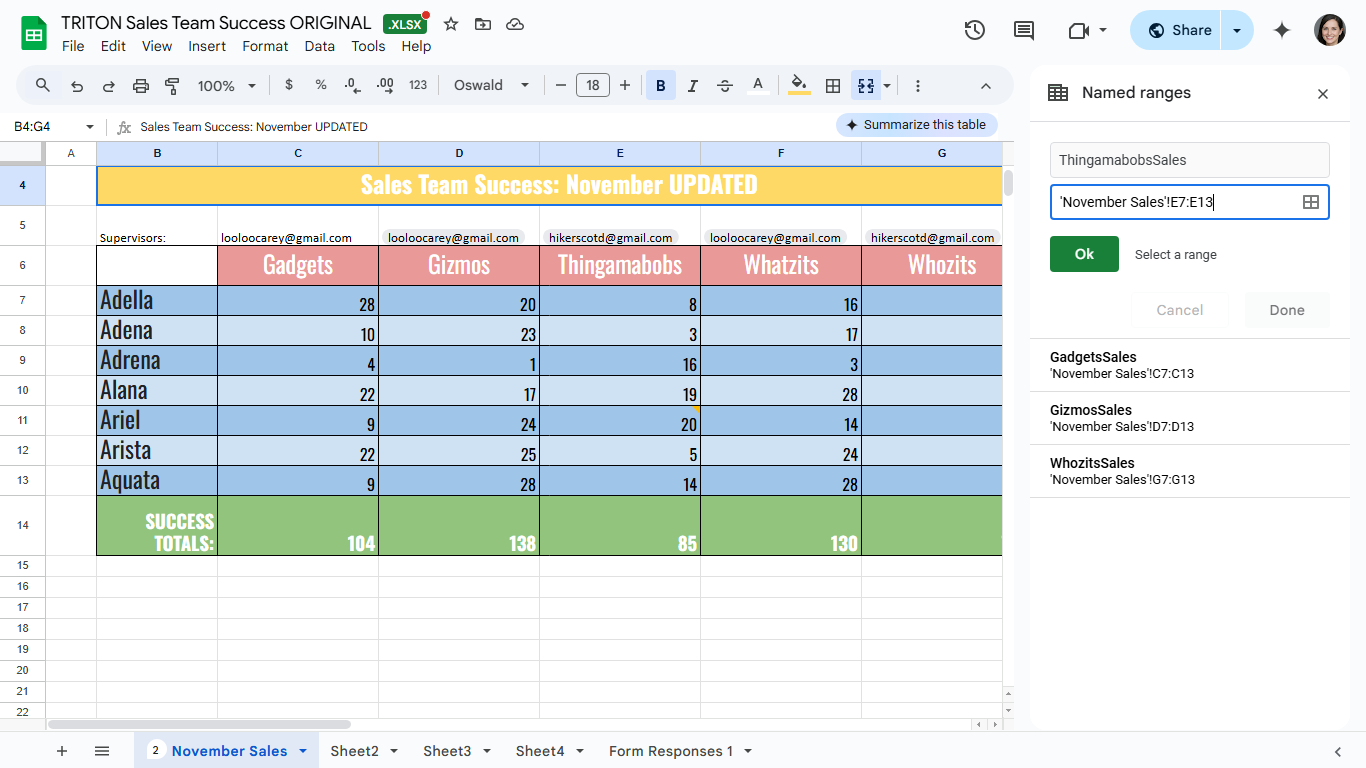
    Efficiently manage large spreadsheets by creating named ranges. Simply click `Data > Named ranges` or select `Manage named ranges` from the top-left corner. Assign names to specific cells or cell ranges to swiftly navigate your spreadsheet.

    !Named Ranges in Google Sheets

    3. Add contacts or calendar events to your spreadsheet

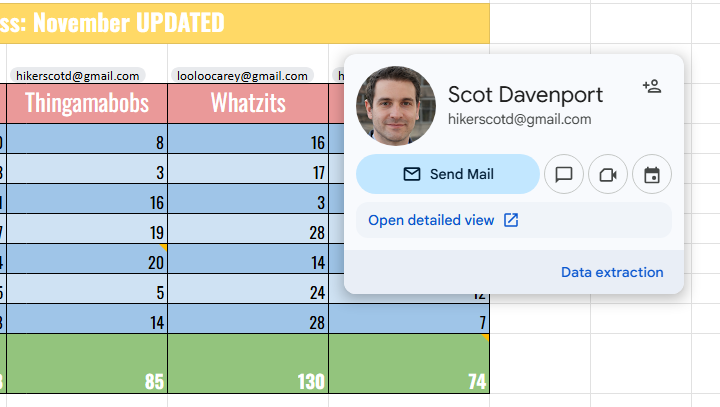
    Enhance collaboration by inserting mini profiles from Google contacts into cells. Type `@` in a cell to access your contacts and select the relevant person. This feature enables quick communication and coordination directly from your spreadsheet.

    !Contact Card in Google Sheets

    4. Use dropdowns for guided responses

    Streamline data entry and reduce errors by incorporating dropdown lists. Create preset options for users to select from, ensuring standardized input and improved data quality.

    !Dropdown List in Google Sheets

    5. Zero in on key data with filters and slicers

    Simplify data analysis by applying filters to focus on specific information within your spreadsheet. Additionally, utilize slicers to enable interactive filtering options for viewers, enhancing data visibility and understanding.

    !Slicer Toolbar in Google Sheets

    6. Present your spreadsheet in Google Meet

    Facilitate collaboration and feedback by sharing your spreadsheet during a Google Meet session. Integrate your spreadsheet seamlessly into meetings for real-time discussions and reviews.

    By implementing these six tips, you can harness the full potential of Google Sheets and optimize your workflow for increased efficiency and productivity. Experiment with these features to discover new ways to enhance your spreadsheet management skills.

  • 6 quick tips for Google Sheets

    6 Quick Tips to Master Google Sheets Like a Pro

    If you’re looking to elevate your Google Sheets game beyond the basics, we’ve got you covered with six quick tips that will streamline your workflow and boost your productivity. Let’s dive into these intermediate-level techniques that can make a significant difference in how you use this powerful spreadsheet tool.

    #### 1. Clean Up Your Data

    When dealing with complex spreadsheets, ensuring data consistency is key. Utilize the “Data cleanup” feature under the “Data” menu to receive suggestions for enhancing your spreadsheet’s appearance and performance. From formatting numbers to removing duplicates, this tool can revamp your old spreadsheets in no time.

    #### 2. Navigate Faster with Named Ranges

    If you find yourself lost in a sea of data, named ranges can be a lifesaver. By assigning names to specific cells or ranges, you can swiftly navigate through extensive spreadsheets. Simply access the “Named ranges” tool to streamline your browsing experience and enhance overall efficiency.

    #### 3. Embed Contacts and Calendar Events

    Enhance collaboration by inserting contact profiles directly into cells using the “@” symbol. This feature allows quick access to contact details and facilitates seamless communication within your spreadsheet. Additionally, you can leverage smart chips for real-time updates on events or stock prices, making data management a breeze.

    #### 4. Utilize Dropdowns for Streamlined Responses

    Save time and minimize errors by incorporating dropdown lists for guided responses. Whether tracking project statuses or numeric values, dropdowns offer a user-friendly interface that simplifies data entry. Implement this feature via the “Insert” menu to enhance data accuracy and efficiency.

    #### 5. Focus on Key Data with Filters and Slicers

    For improved data analysis, utilize filters to isolate specific information within your spreadsheet. Whether setting criteria for transactions or sales values, filters help you zero in on crucial data points. Similarly, slicers provide interactive filtering options for seamless data exploration, enhancing overall spreadsheet usability.

    #### 6. Present Your Sheet in Google Meet

    For collaborative feedback sessions, present your spreadsheet during a Google Meet meeting directly from Google Sheets. By leveraging the integration between these tools, you can gather real-time input and insights, fostering efficient collaboration and decision-making.

    Incorporating these tips into your Google Sheets workflow can elevate your efficiency and effectiveness in handling data and collaborating with team members. Embrace these intermediate features to unlock the full potential of Google Sheets and streamline your spreadsheet tasks effortlessly.

  • Why Saying “No” May Be the Secret To Keeping Your Startup Alive

    In the fast-paced realm of startups, the ability to say “no” can be the secret ingredient that keeps your venture afloat. Running a startup is akin to a constant juggling act, with a barrage of ideas, pitches, and opportunities clamoring for attention. While it may seem counterintuitive, strategically declining certain options can actually propel your startup towards success. This principle is not about shutting doors but rather about honing your focus and energy on what truly matters.

    By saying “no” to distractions, you create space for what is essential to thrive. This could mean turning down partnerships that don’t align with your core values, rejecting features that deviate from your product’s main purpose, or even declining potential investors whose visions do not resonate with your own. Every “no” is a deliberate choice to safeguard your startup’s resources and stay true to your overarching goals.

    Saying “no” is not about fear or pessimism; it’s about strategic decision-making. Just like a sculptor chips away at a block of marble to reveal a masterpiece within, saying “no” allows you to carve out the essence of your startup without dilution. It’s about understanding that focus is the key to progress. By trimming the excess, you sharpen your startup’s competitive edge and direct your efforts towards what truly moves the needle.

    Consider the case of Airbnb, a startup that famously said “no” to giving up during its early days. Despite facing numerous setbacks and rejections, the founders persisted in their vision, turning down offers to sell the company when the going got tough. This resilience and strategic refusal to quit ultimately led Airbnb to become a global powerhouse in the travel industry. Saying “no” can be a powerful tool in your arsenal, enabling you to weather storms and emerge stronger on the other side.

    In the world of startups, every “no” is a strategic investment in your company’s future. It’s about understanding that resources are finite and must be allocated wisely. Just as a photographer focuses the lens to capture a clear and compelling image, saying “no” allows you to sharpen your startup’s focus and position it for long-term success. So, the next time you’re faced with a decision, remember that saying “no” may just be the secret ingredient that keeps your startup not only alive but thriving in the ever-evolving landscape of entrepreneurship.

  • Why Saying “No” May Be the Secret To Keeping Your Startup Alive

    In the fast-paced realm of startups, the ability to say “no” can be the ultimate survival skill. Running a startup is akin to a constant juggling act, managing a barrage of ideas, pitches, and opportunities. It’s tempting to say “yes” to everything in the hopes of propelling your venture forward. However, embracing the power of “no” can be the secret ingredient to keeping your startup not just afloat but thriving.

    Saying “no” is about setting boundaries and staying true to your vision. It means being selective about the opportunities you pursue, focusing on what truly aligns with your goals. By saying “no” to distractions, you can direct your energy and resources towards what matters most for your startup’s growth.

    Consider the scenario where a startup is approached with a partnership opportunity that seems lucrative but doesn’t quite fit with its core values or long-term objectives. Saying “no” to such a proposal might free up time and resources to develop internal capabilities or explore partnerships that are more in line with the startup’s strategic direction.

    Moreover, saying “no” can also foster a culture of accountability and efficiency within your startup. When team members feel empowered to decline tasks or projects that don’t contribute meaningfully to the company’s mission, it promotes a sense of focus and clarity. This, in turn, can lead to higher productivity and better outcomes in the long run.

    In the tech startup world, where innovation is key, saying “no” can be a strategic move to avoid spreading resources too thin. Steve Jobs famously said, “It’s only by saying no that you can concentrate on the things that are really important.” By prioritizing and making tough choices, startups can channel their efforts into areas that have the potential to drive significant impact.

    While saying “no” may feel counterintuitive in a culture that often glorifies busyness and constant expansion, it is essential for maintaining a sustainable and resilient startup ecosystem. It’s about recognizing that every “yes” comes with an implicit “no” – saying yes to one opportunity means saying no to countless others. By being intentional about where you invest your time and energy, you can steer your startup towards long-term success.

    In conclusion, the art of saying “no” is a powerful tool in the arsenal of startup founders and entrepreneurs. It’s not about shutting doors but about choosing which ones to walk through thoughtfully. By embracing the strategic power of “no,” startups can focus on what truly matters, nurture a culture of purposeful decision-making, and ultimately increase their chances of not just surviving but thriving in the competitive startup landscape. Remember, sometimes the best way to move forward is by knowing when to say “no.”

    To read more about the importance of saying “no” in the startup world, check out the article “Why Saying ‘No’ May Be the Secret To Keeping Your Startup Alive” on TechRound.

  • Ads on social media have crossed a tipping point, says expert

    The Tipping Point of Social Media Advertising: An Expert’s Insights

    In the digital age, social media has become an integral part of our daily lives. Platforms like Facebook, Instagram, and Twitter have transformed how we connect, share, and consume information. However, with the rise of social media comes the unavoidable presence of advertising. Companies have discovered increasingly intrusive ways to monetize our data, leading to a flood of ads inundating our timelines.

    According to experts in the field, this inundation has reached a tipping point. Suhas Vijayakumar, a prominent voice in the industry, highlights the exponential growth of advertisements on social media platforms. This surge in advertising is not merely a coincidence but a strategic move by companies to capitalize on the vast amount of data generated by users.

    As we scroll through our feeds, we are bombarded with sponsored posts, targeted ads, and influencer promotions. While some may find these ads useful or entertaining, many users have started to feel overwhelmed by the sheer volume of promotional content. The line between organic and paid posts has become increasingly blurred, making it challenging for users to distinguish between genuine recommendations and paid endorsements.

    Moreover, the use of advanced technologies such as artificial intelligence (AI) has enabled companies to hyper-target their ads, making them even more personalized and, in some cases, intrusive. Our online behaviors, preferences, and interactions are meticulously analyzed to deliver ads that are tailored to our individual tastes and interests.

    This shift towards hyper-personalization has raised concerns about privacy and data security. Users are becoming more aware of how their data is being used to fuel the advertising machine. The Cambridge Analytica scandal and other data breaches have further eroded trust in social media platforms and the companies that advertise on them.

    As social media advertising continues to evolve, it is essential for users to be vigilant and informed about how their data is being utilized. While ads are an unavoidable aspect of the digital landscape, users can take steps to control their online experience. Adjusting privacy settings, limiting data sharing, and being mindful of the information we provide online are crucial steps in protecting our digital identities.

    In conclusion, the proliferation of ads on social media has indeed crossed a tipping point. As users, we must navigate this new digital terrain with caution and awareness. By staying informed and empowered, we can reclaim control over our online experiences and ensure that our data is used responsibly.

  • BT Ireland appoints new head after Shay Walsh steps down

    In a recent development, BT Ireland has announced the appointment of a new head following the departure of Shay Walsh. Carol Connolly, who currently serves as BT’s country operations manager for Ireland, is set to take over the reins as the country host starting this September.

    This leadership transition marks a significant shift in BT’s Irish operations, with Connolly poised to bring her wealth of experience and expertise to the role. Her background in overseeing the company’s country operations equips her with a deep understanding of the local market dynamics and customer needs.

    Connolly’s appointment comes at a crucial time when businesses are navigating unprecedented challenges and opportunities in the digital landscape. With her leadership, BT Ireland is well-positioned to drive innovation, deliver exceptional services, and forge strong partnerships to meet the evolving demands of customers.

    Under Walsh’s leadership, BT Ireland made notable strides in enhancing its service offerings and strengthening its position in the market. As Connolly takes the helm, she is expected to build upon this foundation and steer the company towards continued growth and success.

    The transition in leadership at BT Ireland underscores the company’s commitment to fostering talent from within its ranks and ensuring a smooth succession process. Connolly’s promotion reflects not only her individual capabilities but also BT’s dedication to nurturing leadership excellence and promoting diversity within its leadership team.

    As the technology landscape continues to evolve rapidly, having skilled and visionary leaders at the helm is crucial for organizations to stay ahead of the curve. Connolly’s appointment signals BT’s confidence in her ability to lead the company through this dynamic and challenging environment.

    In conclusion, Carol Connolly’s appointment as the new head of BT Ireland marks a new chapter for the company as it looks to capitalize on emerging opportunities and navigate the complexities of the digital age. With her proven track record and strategic vision, Connolly is set to lead BT Ireland to new heights of success and innovation in the years to come.

  • Report: VC Paradigm head to lead Stripe’s blockchain as CEO

    In a significant move for the tech industry, Matt Huang, the former partner at Sequoia, is set to take the reins at Stripe’s blockchain division as CEO. Huang’s appointment comes after his tenure on Stripe’s board starting in 2021, showcasing a deepening relationship between the renowned VC Paradigm head and the tech giant.

    Stripe, known for its innovative payment solutions, has been steadily expanding its presence in the blockchain and cryptocurrency space. With Huang at the helm of its blockchain division, the company is poised to make even greater strides in leveraging this disruptive technology.

    Huang’s experience and insights from his time at Sequoia, a powerhouse in the venture capital world, bring a wealth of knowledge to his new role at Stripe. His track record of identifying and nurturing tech disruptors positions him well to lead Stripe’s blockchain endeavors to new heights.

    This strategic move by Stripe not only underscores the growing importance of blockchain technology in the digital landscape but also highlights the trend of established tech companies embracing blockchain to drive innovation and stay ahead in a rapidly evolving market.

    As the tech industry continues to embrace blockchain for its security, transparency, and efficiency benefits, having a seasoned leader like Huang at the helm of Stripe’s blockchain division signals a strong commitment to harnessing the full potential of this transformative technology.

    With Huang’s leadership, Stripe is well-positioned to explore new applications of blockchain technology, enhance its offerings, and further solidify its position as a key player in the intersection of finance and technology.

    For more details on this exciting development, you can read the full report here.