Category: Mobile Devices

  • 14 advanced Android 16 tips

    Title: Unveiling 14 Advanced Android 16 Tips for Enhanced Productivity and Security

    In the ever-evolving world of Android, staying abreast of the latest features and functions is crucial for maximizing productivity and security. With the advent of Android 16, a plethora of advanced tips and tricks have surfaced, offering users a gamut of capabilities to explore. Let’s delve into 14 of the most captivating Android 16 tips that can revamp your Android experience.

    Android 16 Tips Part I: Productivity

    • Enhanced Quick Settings Panel: Android 16 introduces a subtle yet impactful change to the Quick Settings panel, allowing users to resize shortcuts for a more efficient layout.
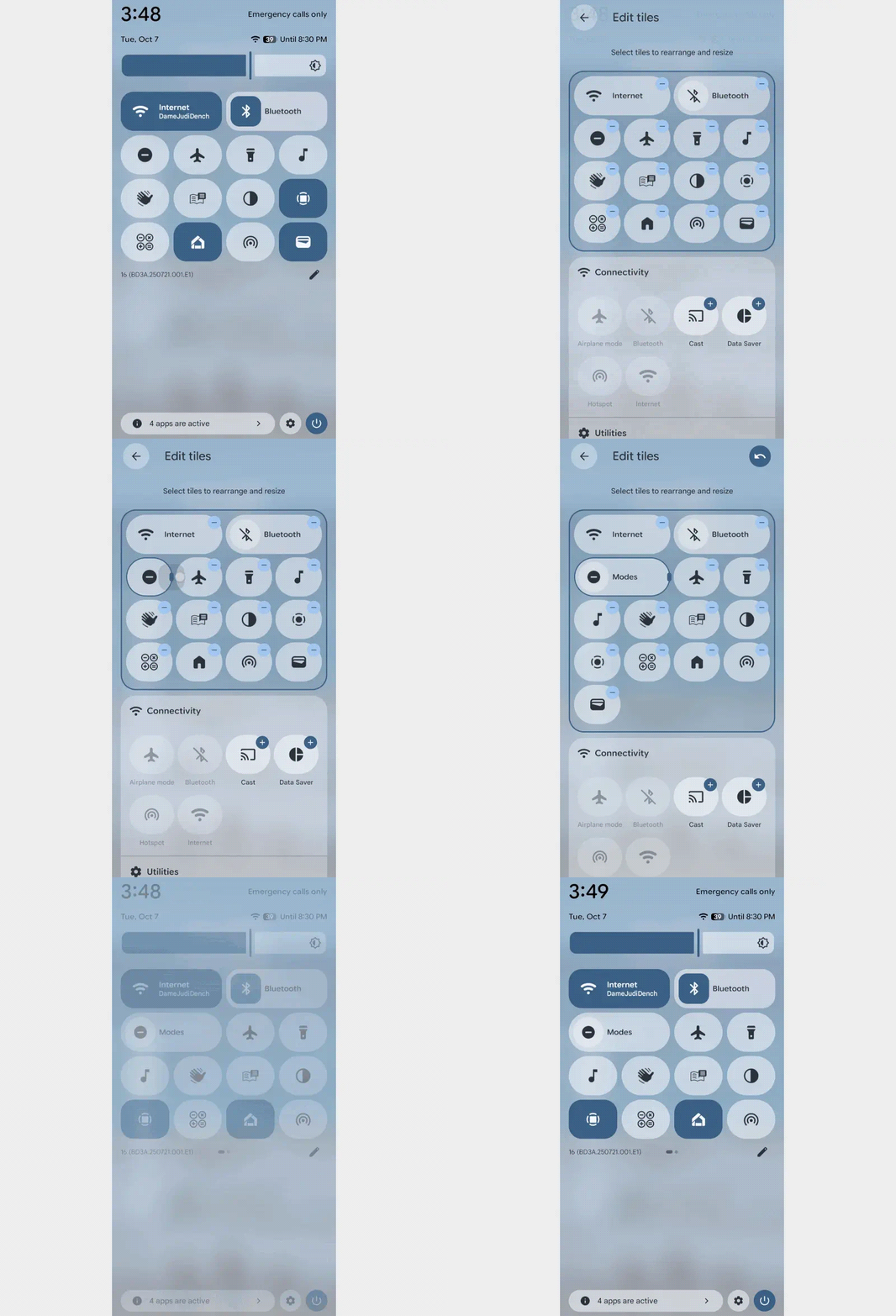
    !Quick Settings Resize

    • Customizable Modes: Android 16 presents Modes, enabling users to create multiple presets for different scenarios, streamlining notifications and interruptions based on specific needs.
    • Samsung Routines: With the introduction of preset Routines on Samsung devices, users can automate tasks based on triggers, enhancing productivity effortlessly.
    • Location-Based Reminders: Samsung’s Android 16 features a Reminder app that offers location-based reminders, ensuring you never miss a task tied to a specific place.
    • Call Captions: Samsung’s Call Captions feature provides on-screen text during calls, enhancing accessibility and ensuring you catch every word during important conversations.

    Android 16 Tips Part II: Security

    • Advanced Protection: Android 16 introduces a comprehensive Advanced Protection option, simplifying essential security settings into a single switch for enhanced device security.
    • Identity Check: By leveraging Trusted Places data, Identity Check adds an extra layer of biometric authentication for sensitive actions outside trusted locations, bolstering security measures.

    Android 16 Tips Part III: General Usability

    • Data Restoration: Android 16 now allows users to restore data from a different device post-initial setup, providing a seamless transition between devices.
    • Regional Preferences: Users can set non-language-specific regional preferences independently, offering a personalized and tailored user experience.
    • Text Outlining: Android 16 introduces a text outlining feature for easier readability, allowing users to highlight text with contrasting backgrounds for improved visibility.
    • Enhanced Split-Screen: Users can now adjust the split-screen ratio to a 90:10 divide, offering more flexibility in multitasking scenarios.
    • Hearing Aid Options: Android 16 on Pixel devices adds a Quick Settings tile for managing hearing aid options, providing easy access to controls for hearing aid users.
    • Battery Monitoring: Android 16 offers enhanced battery monitoring features, including battery health dashboards and customizable battery protection options for efficient power management.

    In the dynamic landscape of Android, these 14 advanced tips showcase the innovation and user-centric approach of Android 16, empowering users to optimize productivity and fortify security. Embrace these tips to unlock the full potential of your Android device and stay tuned for more exciting updates on the Android horizon.

  • Driven by upgrades and AI, the smartphone market is growing – IDC

    The Smartphone Market Thrives on Upgrades and AI Advancements

    In a world where technology evolves at breakneck speed, the smartphone market stands out as a prime example of perpetual innovation. According to the latest insights from IDC, the global smartphone market witnessed a 2.6% growth in the third quarter of the year, totaling a staggering 322.7 million units. This surge is primarily attributed to the allure of upgraded premium devices and the burgeoning interest in affordable smartphones embedded with cutting-edge artificial intelligence (AI) capabilities.

    Leading the charge in this upward trajectory are tech giants Apple and Samsung, both boasting significant achievements in the recent period. Apple, celebrating its best July quarter to date, attributes this success in part to the remarkable reception of its new iPhone 17 series. On the other hand, Samsung marked a milestone with its record growth fueled by the popularity of its latest foldable models, the Galaxy Z Fold 7 and Z Flip 7.

    However, it’s not just the industry titans making waves in this dynamic landscape. Manufacturers like Xiaomi, Transsion, and Vivo have also made substantial strides in the market. Xiaomi’s stronghold in Europe and Latin America was fortified by the success of its Redmi Note and Poco series. Transsion’s rapid expansion in Africa can be credited to its competitive pricing strategies and efficient distribution network. Vivo, on the other hand, found significant traction in emerging markets by leveraging AI-powered cameras and aggressive online marketing campaigns.

    Anthony Scarsell, the research director for Mobile Phones at IDC, predicts a robust finish to the year 2025, driven by the escalating demand for AI-centric products. This surge is expected to be further propelled by compelling price offers and diverse product portfolios from leading smartphone vendors. As the smartphone market continues to evolve, fueled by technological advancements and consumer preferences, the stage is set for an exciting era of innovation and growth in the realm of mobile devices.

  • The Pixel 10’s conversational photo editing is rolling out to all Android phones – but there’s a catch

    The latest buzz in the Android world revolves around Google’s move to expand conversational photo editing beyond Pixel devices to include a range of non-Pixel smartphones. This innovative feature, which allows users to edit photos through natural language commands, was initially exclusive to Pixel phones before branching out.

    Imagine the convenience of simply telling your phone to enhance lighting, remove background elements, or add objects to your photos. This functionality, available by tapping “Help me edit” in the editor, opens up a world of possibilities for effortless photo editing using everyday language.

    While this advancement is exciting, there’s a catch – the feature is currently limited to users in the United States. To access conversational photo editing, users must meet certain criteria, including being at least 18 years old, having their Google Account language set to English (United States), and enabling Face Groups and location estimates.

    Despite the US-centric rollout, there’s hope for global availability in the future. As enthusiasts eagerly await updates on when this feature will reach international users, the tech community remains optimistic about the democratization of advanced photo editing tools across all Android devices.

    Notably, confirmation has come that popular smartphones like the OnePlus 13 and the Galaxy Z Fold 7 are among the eligible devices to leverage this cutting-edge feature. This expansion signifies a step towards inclusivity, bringing sophisticated photo editing capabilities to a wider audience beyond the Pixel ecosystem.

    As the tech landscape continues to evolve, Google’s initiative to democratize advanced features sets a precedent for inclusive innovation. While the US exclusivity may present a temporary hurdle, the potential for a global rollout hints at a promising future where intuitive photo editing tools are accessible to all Android users worldwide. Stay tuned for updates as Google works towards making conversational photo editing a universal reality.

  • The Pixel 10 Pro Fold is off to an explosive start (and not in a good way)

    The Pixel 10 Pro Fold is making waves, but not in the way Google had hoped. Recently, this cutting-edge foldable phone underwent a series of grueling tests, and the results were nothing short of catastrophic. In a stress test conducted by the renowned YouTube channel JerryRigEverything, the Pixel 10 Pro Fold failed spectacularly, especially when it came to withstanding physical pressure.

    What’s concerning is that this isn’t the first time Google has faced issues with its foldable devices. The Pixel 9 Pro Fold also struggled under pressure, and it seems like the Pixel 10 Pro Fold hasn’t learned from its predecessor’s design flaws. The most alarming part of the test was when the phone’s battery started hissing and smoking, almost exploding on camera – a first in the channel’s history.

    Moreover, the Pixel 10 Pro Fold’s supposed dust resistance, boasting an IP68 rating, was also put to the test. Unfortunately, the results were equally disappointing. Grit introduced into the hinge mechanism produced a disturbing grinding sound, indicating that the device is far from being dust-proof.

    While these extreme tests reveal significant vulnerabilities, it’s essential to note that real-world usage may not lead to such extreme outcomes. In a separate review, the Pixel 10 Pro Fold was praised for its sturdy build and improved hinge design. However, the inherent fragility of foldable phones remains a concern, and users are advised to handle them with care.

    If you’re considering the Pixel 10 Pro Fold despite these challenges, be sure to weigh the risks. While it offers innovative features and a sleek design, its durability under pressure is questionable. As technology evolves, it’s crucial for manufacturers like Google to address these weaknesses and deliver products that meet the demands of today’s users.

    In conclusion, the Pixel 10 Pro Fold’s explosive start highlights the importance of rigorous testing and continuous improvement in the competitive world of foldable devices. As consumers, it’s essential to stay informed and make informed decisions when investing in cutting-edge technology.

  • Google Pixel 10 Pro Fold vs Samsung Galaxy Z Fold 7: Which is better?

    In the ever-evolving world of foldable phones, two giants stand out: the Google Pixel 10 Pro Fold and the Samsung Galaxy Z Fold 7. Let’s delve into a detailed comparison to see which one reigns supreme.

    Design

    The Galaxy Z Fold 7 boasts a slim and lightweight design that mimics a regular flagship phone when folded. On the other hand, the Pixel 10 Pro Fold is slightly thicker and heavier but exudes durability, being the first foldable with an IP68 rating.

    Displays

    Both phones offer 6.4-6.5-inch cover displays and 8-inch foldable panels. The Pixel’s curved corners provide comfort, while the Samsung’s sharper edges offer a larger feel. The Pixel’s screens have higher brightness levels, but the Samsung minimizes overheating by dimming the display in sunlight.

    Performance

    Powered by Qualcomm’s Snapdragon 8 Elite, the Z Fold 7 outshines the Pixel’s Tensor G5 chip in speed and performance, especially during demanding tasks like gaming. The Pixel, however, excels in multitasking with all models featuring 16GB of RAM compared to the Z Fold 7’s variants with 12GB.

    Cameras

    Both phones sport triple rear cameras, but the Samsung’s higher resolution main sensor delivers superior image quality, especially in low-light conditions. The Pixel focuses on ease of use with its user-friendly camera app, while Samsung caters to professionals with advanced manual controls.

    Other Differences

    The Pixel and Samsung phones differ in software, with Google’s clean Android 16 interface contrasting Samsung’s feature-rich One UI skin. The larger battery in the Pixel doesn’t translate to significantly longer usage compared to the Z Fold 7. Both phones offer fast wired and wireless charging, with the Pixel having the edge in charging speed.

    Pricing

    The Pixel starts at a slightly lower price than the Z Fold 7, but deals and pre-owned options may make the Samsung more accessible. Both models offer multiple storage options, with the Samsung costing slightly more across the board.

    Verdict

    For a slim and lightweight option with impressive cameras, the Samsung Galaxy Z Fold 7 is a top choice. On the other hand, the Google Pixel 10 Pro Fold excels in durability, convenience, and software updates. The choice between them ultimately depends on individual preferences and usage patterns.

    In conclusion, both foldable phones offer unique features and capabilities, catering to different user needs and preferences. It’s essential to weigh the design, performance, cameras, software, pricing, and personal priorities to determine which device aligns best with your requirements.

  • Samsung’s tri-fold could launch this month, but I won’t buy it unless it has these features

    Samsung’s Tri-Fold Launch: A Critical Eye on Essential Features

    In the realm of foldable smartphones, the trend is shifting towards tri-folds, with Huawei leading the charge with its practical Mate XT. Now, all eyes are on Samsung, rumored to unveil its own tri-fold device this month. As an avid tech enthusiast, I can’t help but ponder the crucial features this new offering must possess to earn a place in my pocket.

    Proper All-Day Battery Life

    Foldables have often faltered in the battery department, with most struggling to provide adequate screen-on time. Take the Galaxy Z Fold 7, for instance, barely scraping by with six hours of usage and a sluggish 25W charging speed. For the upcoming tri-fold, a robust battery life is non-negotiable, especially considering the extended screen time such a form factor invites.

    A True 16:9 Layout and Desktop-Style Apps

    Pricing for tri-folds is expected to soar, potentially surpassing the already hefty tags of current foldables. If I’m investing significantly, I anticipate more than just casual social media scrolling. With rumored Snapdragon 8 Elite prowess, the tri-fold must embrace a genuine 16:9 layout to foster seamless usage of desktop-style apps, bridging the gap between smartphones and laptops.

    Genuine Flagship Cameras

    In the realm of foldables, camera performance has often been a sticking point. Slim form factors pose challenges for incorporating top-tier camera components, leading to compromises in image quality. However, the Galaxy Z Fold 7 made strides with a 200Mp sensor, hinting at what’s possible. The upcoming tri-fold must elevate its camera game to match flagship standards, ensuring a holistic user experience.

    A Potentially Huge Moment

    Foldable smartphones have dazzled with their innovative designs, but practicality and value remain elusive for many consumers. Tri-folds could mark a pivotal shift by offering a versatile device that consolidates phone, tablet, and even laptop functionalities. If Samsung’s tri-fold achieves this feat, it could signify a turning point where the premium price aligns with genuine utility.

    As we eagerly await Samsung’s tri-fold debut, the tech world anticipates a device that transcends novelty and truly enhances the user experience. The convergence of cutting-edge technology and user-centric design in this tri-fold could redefine the foldable landscape. Exciting times lie ahead for tech enthusiasts seeking a seamless blend of form and function in their devices.

  • Why your Android phone could look very different from 15 October

    Is your Android phone ready for a visual overhaul? Come 15th October 2025, the look of your device could change significantly. Google’s latest mandate will require Android app developers to support themed icons in their apps, altering the appearance of your smartphone’s interface.

    Themed icons, previously optional, will now be mandatory, aligning app colors with the user’s chosen theme. This move aims to create a more cohesive and visually pleasing experience on Android devices. Developers must adapt their apps to offer darker, subdued, or monochrome shades to match user themes seamlessly.

    While this change won’t impact app functionality, it will enhance the aesthetic appeal of Android devices. Google’s push for uniformity extends to the Play Store, where all listed apps must comply with the new themed icon requirement. Failure to adhere to these guidelines may result in removal from the Play Store, affecting billions of Android users worldwide.

    Samsung has already embraced this standardization with One UI 8.5, hinting at additional Galaxy AI features. Android 16, incorporating these visual updates, has started rolling out on various devices. Wondering when your phone will receive this exciting upgrade? Stay tuned for further announcements on Android 16’s availability for your device.

  • New Pixnapping Android Flaw Lets Rogue Apps Steal 2FA Codes Without Permissions

    In a world where cybersecurity threats are ever-looming, a new vulnerability has emerged that has sent shockwaves through the Android community. Recently, researchers from the University of California (Berkeley) and the University of XYZ uncovered a critical flaw in Android devices from Google and Samsung. This flaw, dubbed Pixnapping, poses a significant risk to user data by allowing rogue apps to steal 2FA codes and sensitive information without requiring any permissions.

    What makes Pixnapping particularly concerning is its stealthy nature. By leveraging a side-channel attack, malicious actors can covertly extract information pixel-by-pixel, including two-factor authentication codes and even Google Maps timelines. This means that even the most security-conscious users could fall victim to this insidious exploit without ever realizing their data is being compromised.

    Imagine going about your day, using your Android device as you normally would, all the while unaware that behind the scenes, a rogue app is silently pilfering your most sensitive information. This is the chilling reality that Pixnapping brings to light. The implications of such a vulnerability are far-reaching, affecting not only individual users but also enterprises that rely on Android devices for their day-to-day operations.

    For IT and development professionals, Pixnapping serves as a stark reminder of the importance of robust security measures. While the responsibility ultimately lies with Google and Samsung to patch this vulnerability, it is crucial for users to stay vigilant and exercise caution when downloading apps or granting permissions. Additionally, organizations must ensure that their security protocols are up to date and capable of mitigating emerging threats like Pixnapping.

    As we navigate an increasingly interconnected digital landscape, the onus is on all stakeholders to prioritize security and stay informed about the latest developments in cybersecurity. By remaining proactive and implementing best practices, we can collectively work towards a safer and more secure online environment for all users. Let Pixnapping serve as a wake-up call—a call to action for greater vigilance, stronger defenses, and a steadfast commitment to protecting our digital assets.

  • New Pixnapping Android Flaw Lets Rogue Apps Steal 2FA Codes Without Permissions

    In the ever-evolving landscape of cybersecurity, a new threat has emerged that has sent shockwaves through the Android community. Recent findings have revealed a critical flaw impacting Android devices from Google and Samsung, leaving them susceptible to a devious tactic known as Pixnapping. This insidious exploit allows rogue applications to clandestinely pilfer two-factor authentication (2FA) codes, Google Maps timelines, and other confidential information pixel by pixel, all without requiring user permissions.

    The vulnerability, unearthed by a team of academics from the University of California, Berkeley, and the University of, poses a significant risk to the security and privacy of Android users. By leveraging a side-channel attack, malicious apps can bypass standard security measures to extract sensitive data with alarming precision. This means that even the most cautious users who meticulously safeguard their information could fall victim to this stealthy form of digital theft.

    Imagine a scenario where you diligently enable 2FA to fortify your online accounts, believing your data is secure. However, unbeknownst to you, a rogue app is quietly siphoning off the very codes meant to enhance your security. Your meticulously crafted defenses are rendered futile in the face of such a sophisticated attack, highlighting the gravity of the Pixnapping vulnerability.

    The implications of this flaw extend beyond merely compromising 2FA codes. Google Maps timelines, a feature cherished by many for its convenience and personalization, are also at risk of exploitation. The prospect of unauthorized access to one’s location history raises profound concerns regarding privacy and data integrity. The ability to track an individual’s movements pixel by pixel underscores the magnitude of the threat posed by Pixnapping.

    As IT and development professionals, it is imperative to stay vigilant in the face of emerging threats like Pixnapping. While Google and Samsung are undoubtedly working diligently to address this vulnerability, users must also take proactive measures to mitigate risks. This includes exercising caution when granting app permissions, staying informed about security updates, and being mindful of the apps they download.

    In conclusion, the Pixnapping Android flaw serves as a stark reminder of the ever-present dangers in the digital realm. As we navigate an increasingly interconnected world, safeguarding our data and privacy demands constant vigilance and an unwavering commitment to cybersecurity best practices. By remaining informed, proactive, and discerning, we can fortify our defenses against insidious threats like Pixnapping and preserve the integrity of our digital identities.

  • I thought I could switch from iPhone to Android, but I was wrong

    Why Switching from iPhone to Android Wasn’t as Seamless as Expected

    A switch from iPhone to Android may seem like a refreshing change, offering a world of new possibilities and customization. However, my recent attempt at transitioning from the familiar iOS ecosystem to the diverse realm of Android revealed unexpected challenges and limitations.

    Embracing the Android Diversity

    Exploring the Android landscape, I reveled in the variety of devices available, each offering unique features tailored to different user needs. From the Xiaomi 15 Ultra’s impressive DSLR-style camera to the budget-friendly engineering marvel of the CMF Phone 2 Pro, I appreciated the innovation outside Apple’s domain. Opting for the Honor Magic V5 for its spacious display, I was ready to embrace a new mobile experience.

    The Apple Ecosystem Dilemma

    As I ventured into the Android realm, I encountered unforeseen hurdles rooted in the interconnected nature of Apple’s ecosystem. The seamless coordination with my spouse’s iPhone, Apple Watch, and AirPods Pro 2 unraveled when I diverged from the familiar territory. Simple tasks like sharing lists on Apple Notes became cumbersome, with Google Keep lacking essential features, disrupting our daily routines.

    Unforeseen Disruptions and Inconveniences

    Beyond shared lists and seamless device tracking, the absence of Apple News on Android posed communication challenges. Unable to access shared stories until I reached my iPad, the disparity in app availability became glaring. Even features like Apple’s Find My, crucial for device location, faced compatibility issues when transitioning to Android, highlighting the ecosystem’s intricacies.

    Rediscovering Apple’s Seamless Integration

    Despite my initial intentions to commit to Android, a refurbished iPhone 16 unexpectedly reshaped my perspective. Reconnecting to my iCloud account, I experienced a sense of relief and familiarity, realizing the convenience and seamless integration I had taken for granted. This pivotal moment led me back to Apple, acknowledging the ease and comfort it provided in managing my digital life.

    Navigating Ecosystem Loyalty and Choice

    Reflecting on my journey between iPhone and Android, I recognized the benefits and pitfalls of each ecosystem. While both offer unique advantages, consumers must navigate the digital complexities that can complicate transitions. Understanding the nuances of each ecosystem can empower users to make informed decisions and appreciate the intricacies that shape their digital experiences.

    In conclusion, the allure of switching from iPhone to Android may promise excitement and versatility, but the underlying ecosystem intricacies can present unforeseen challenges. My journey serves as a reminder of the delicate balance between innovation and integration, urging users to navigate digital transitions with awareness and adaptability.